Understanding the Ternary Lithium Powder Conveying System and Its Design Principles
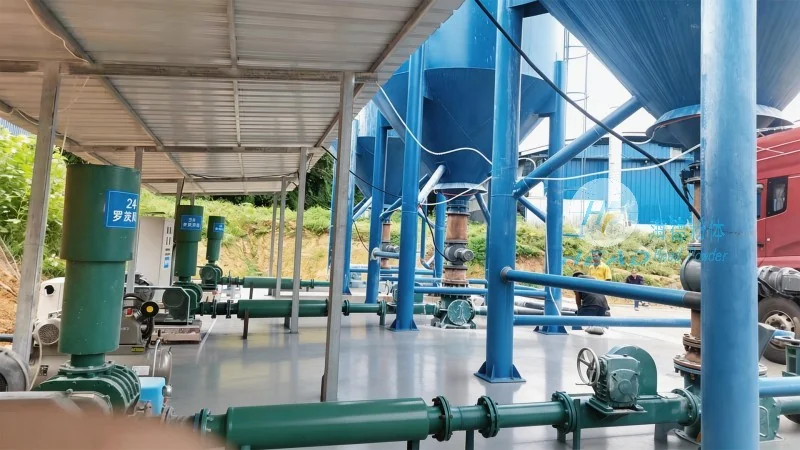
Introduction to Ternary Lithium Powder Conveying Systems
A ternary lithium powder conveying system is a specialized piece of equipment designed to handle and transport ternary lithium compounds, which are critical components in modern lithium-ion batteries. These systems are essential in the manufacturing process of high-performance batteries used in electric vehicles, renewable energy storage, and portable electronics. The efficient handling of these fine powders requires precise engineering to ensure minimal dust generation, accurate dosing, and consistent material flow. This article explores the components, operational principles, and design considerations of such systems, with a focus on the technology provided by Shandong HeadPowder Engineering Co., Ltd., a leading manufacturer in the field.
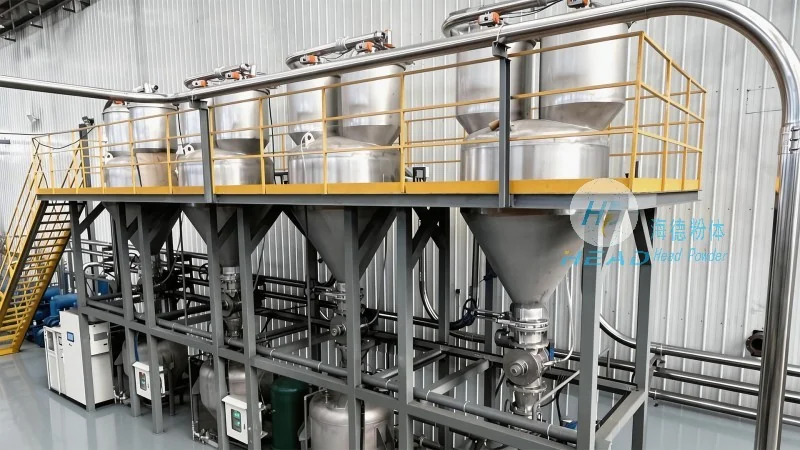
Key Components of a Ternary Lithium Powder Conveying System
The ternary lithium powder conveying system typically consists of several integrated components that work in tandem to achieve reliable material transport. The primary components include a hopper for material storage, a feeder to control the flow rate, a conveying mechanism (such as a screw or pneumatic system), and a dust collection system to maintain air quality and prevent contamination. Each component is engineered to handle the unique properties of ternary lithium powders, which are often fine, hygroscopic, and sensitive to moisture and oxygen. The hopper is usually designed with a smooth interior surface and a discharge valve to facilitate consistent material release. The feeder, often a rotary valve or a vibratory feeder, ensures that the powder is discharged at a controlled rate, preventing overloading or underflow. The conveying mechanism may use a screw conveyor for low to medium flow rates or a pneumatic system for higher throughput, depending on the application requirements. The dust collection system, equipped with filters and cyclones, captures any airborne particles, ensuring a clean and safe working environment. These components are typically made from materials resistant to corrosion and chemical reactions, such as stainless steel or specialized alloys, to protect against the reactive nature of lithium compounds.
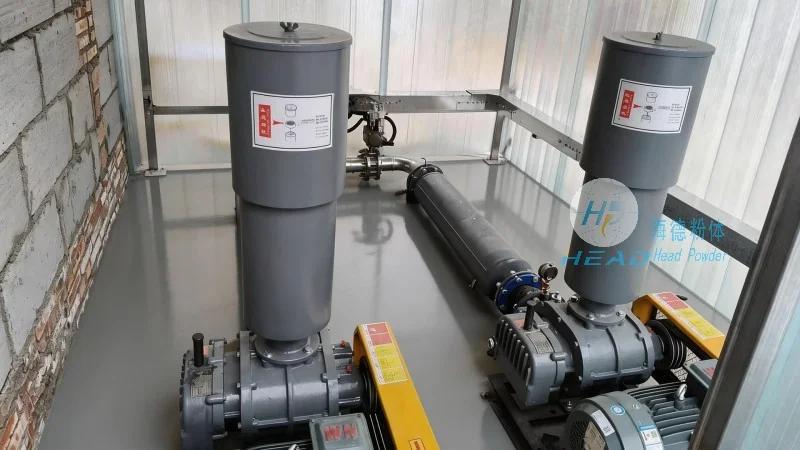
Design Principles for Efficient Ternary Lithium Powder Conveying
The design of a ternary lithium powder conveying system is guided by several key principles aimed at maximizing efficiency, safety, and material integrity. The first principle is the minimization of material degradation during transport. This is achieved through the use of low-friction surfaces and gentle handling mechanisms to prevent particle agglomeration or breakage. The system is also designed to maintain a consistent temperature and humidity level to prevent moisture absorption or oxidation of the lithium powder. Another critical principle is the prevention of cross-contamination, which is essential in battery manufacturing where precise chemical compositions are required. The system incorporates sealed and isolated components to ensure that different batches of powder do not mix, and all connections are made with tight-fitting seals to avoid leaks. The design also emphasizes energy efficiency, using optimized conveying speeds and reduced pressure drops to minimize power consumption. Additionally, the system is built for easy maintenance and cleaning, with accessible components that can be disassembled and cleaned without compromising the integrity of the equipment. The control system is integrated with sensors and feedback mechanisms to monitor flow rates, pressure, and temperature in real-time, allowing for immediate adjustments to maintain optimal performance. This closed-loop control system ensures that the conveying process remains stable and reliable, even under varying load conditions.
HeadPowder's Approach to Ternary Lithium Powder Conveying Technology
Shandong HeadPowder Engineering Co., Ltd. specializes in the design and manufacturing of advanced powder conveying systems tailored to the needs of the lithium battery industry. The company, commonly referred to as HeadPowder, has developed a comprehensive range of solutions that address the unique challenges of handling ternary lithium powders. HeadPowder's systems are engineered with a deep understanding of the material's properties, ensuring that each component is optimized for performance and durability. The company's approach involves extensive research and development to incorporate the latest technologies, such as advanced materials and precision control systems, into their designs. HeadPowder's engineers work closely with clients to understand their specific production requirements, from batch size to throughput, and tailor the system accordingly. The company's facilities in China, located in Shandong, are equipped with state-of-the-art manufacturing equipment and quality control processes to ensure that every system meets the highest standards. HeadPowder's commitment to innovation and customer satisfaction has made them a trusted partner in the battery manufacturing sector, providing reliable and efficient powder conveying solutions that enhance production efficiency and product quality.
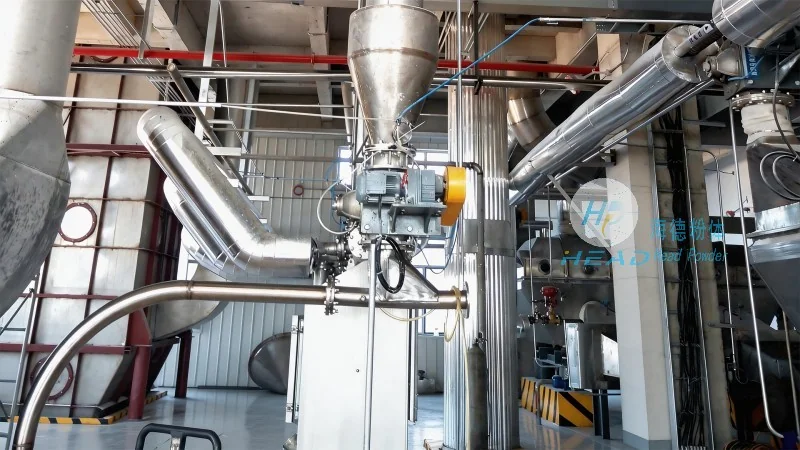
Conclusion: The Importance of Advanced Ternary Lithium Powder Conveying Systems
In conclusion, the ternary lithium powder conveying system is a critical piece of equipment in the modern battery manufacturing process. Its design and operation are centered on the need to handle fine, reactive powders with precision and care. The components and principles discussed above highlight the complexity and sophistication of these systems, which are essential for producing high-quality lithium-ion batteries. As the demand for electric vehicles and renewable energy storage continues to grow, the importance of efficient and reliable powder conveying systems will only increase. Companies like Shandong HeadPowder Engineering Co., Ltd. play a vital role in advancing this technology, providing solutions that meet the evolving needs of the industry while ensuring safety, efficiency, and product integrity. The continued development of advanced conveying systems will be key to meeting the growing demand for lithium batteries and supporting the transition to sustainable energy solutions.




