

What is a Dry Coffee Powder Pneumatic Conveying System? What are the Design Principles?
For coffee processing and distribution industries, efficient and reliable material handling is crucial. A dry coffee powder pneumatic conveying system is a specialized equipment designed to transport coffee powder through a pipeline using air pressure. This technology offers numerous advantages over traditional methods, such as reduced product contamination, improved safety, and enhanced process control. In this article, we will explore the fundamental concepts of such systems and the key design principles that ensure optimal performance.
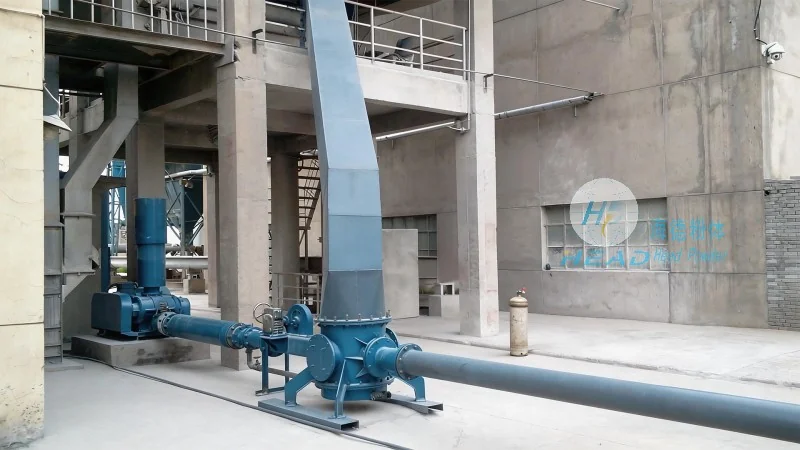
Understanding Pneumatic Conveying Technology
Pneumatic conveying systems utilize air to move dry powders like coffee through a closed pipeline. The process can be categorized into two main types: dilute phase and dense phase. Dilute phase systems use high-velocity air to suspend particles, while dense phase systems employ lower air speeds to push material in a more compact form. The choice between these methods depends on factors like the powder's characteristics, required distance, and desired flow rate. For coffee powder, which is often fine and abrasive, a well-designed dilute phase system can provide efficient transport with minimal degradation.
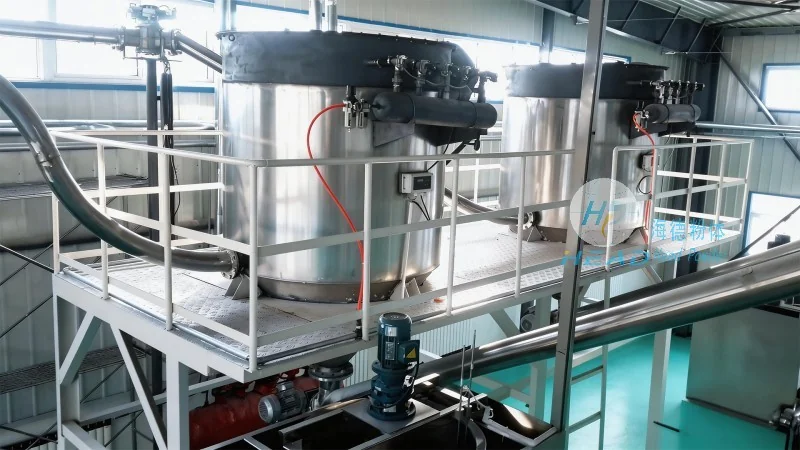
Key Design Principles for Coffee Powder Conveying
The design of a dry coffee powder pneumatic conveying system involves several critical principles to ensure efficiency and product integrity. First, the system must consider the powder's physical properties, including particle size, density, and moisture content. These factors influence the air velocity and pressure required for effective transport. For example, finer coffee powders may need higher air speeds to maintain suspension, while coarser particles can be handled with lower velocities. Second, the system's layout, including the number and placement of inlets, outlets, and bends, is essential for minimizing pressure drops and preventing particle accumulation. Properly sized pipelines and appropriate bends with low friction coefficients are crucial to maintain consistent flow and avoid blockages.
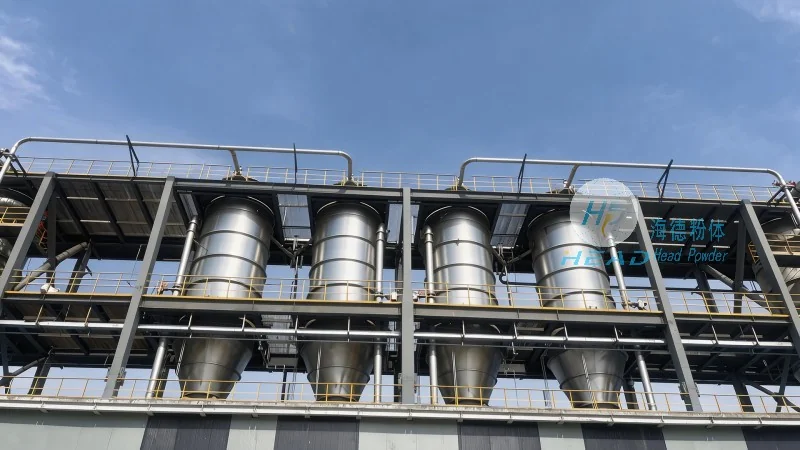
Components and Functionality
A typical dry coffee powder pneumatic conveying system consists of several key components. The primary elements include a material hopper, a feeder (such as a rotary valve or screw feeder), a blower or air compressor, a pipeline network, and a receiver or discharge hopper. The material hopper stores the coffee powder and feeds it to the feeder, which controls the flow rate into the system. The blower generates the necessary air pressure to move the powder through the pipeline. The pipeline network transports the powder from the inlet to the outlet, often with intermediate inlets for additional material addition. Finally, the receiver collects the conveyed coffee powder, allowing it to be discharged for further processing or packaging.
Advantages of Using Pneumatic Conveying for Coffee Powder
Implementing a pneumatic conveying system for coffee powder offers several benefits. One of the most significant advantages is the reduction of product contamination. Unlike mechanical systems that may introduce metal or other foreign particles, pneumatic systems use air as the transport medium, keeping the coffee powder clean and free from contaminants. Additionally, pneumatic systems enhance safety by eliminating the need for manual handling of bulk materials, reducing the risk of accidents and exposure to dust. Another key benefit is improved process control, as the system can be easily integrated with automation, allowing for precise control over flow rates and pressure. This level of control is particularly important in coffee processing, where consistency is critical for maintaining product quality and flavor.
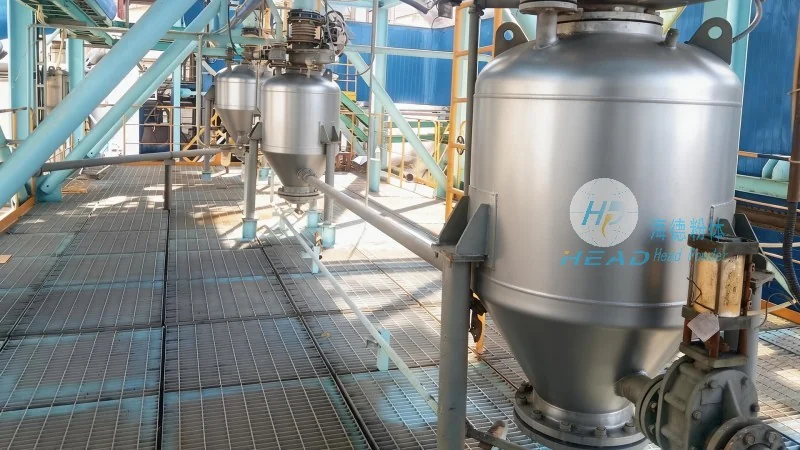
Considerations for System Installation and Maintenance
When installing a dry coffee powder pneumatic conveying system, several factors must be considered to ensure long-term performance. The system should be designed to handle the specific characteristics of coffee powder, including its tendency to clump or create dust. Proper sealing of all components is essential to prevent air leaks and maintain pressure. Regular maintenance is also crucial to prevent system failures. This includes cleaning the pipeline and components to remove accumulated powder, inspecting the blower and feeder for wear, and checking for any signs of corrosion or damage. By following a regular maintenance schedule, the system can operate efficiently and reliably, minimizing downtime and ensuring consistent coffee powder transport.