

What is a Baking Soda Powder Pneumatic Conveying System? And What Are Its Design Principles?
Baking soda, also known as sodium bicarbonate, is a widely used chemical in various industries, from food processing to pharmaceuticals and manufacturing. When handling this powder in bulk, efficient and reliable material transport is crucial. This is where a baking soda powder pneumatic conveying system comes into play. Such systems are engineered to move the powder from one location to another using air or gas as the conveying medium. Understanding the fundamentals of these systems, along with their design principles, is essential for optimizing material handling processes.
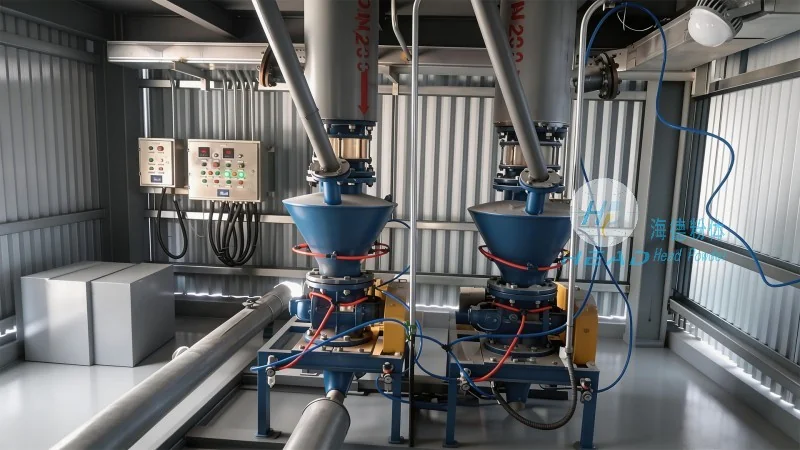
Introduction to Baking Soda Powder Pneumatic Conveying Systems
A pneumatic conveying system for baking soda powder is a specialized equipment setup designed to transport dry powder materials like sodium bicarbonate through a pipeline using compressed air or other gases. The primary goal is to achieve efficient, dust-free, and safe transportation of the powder from a source, such as a storage silo or a production line, to a destination, like a processing unit or a packaging station. These systems are particularly beneficial for applications where traditional mechanical conveying methods may not be suitable due to the powder's properties, such as its light weight, fine particle size, or potential for dust generation.
Key Components of a Baking Soda Powder Pneumatic Conveying System
The design of a pneumatic conveying system for baking soda powder typically involves several critical components, each playing a vital role in the overall operation. The main components include:
- Feed Hopper: This is the container where the baking soda powder is stored before it is fed into the conveying system. It is designed to hold the bulk material and provide a controlled flow to the feeder.
- Feeder: The feeder is responsible for metering the powder and delivering it into the conveying line. For baking soda powder, which can be prone to bridging or caking, a suitable feeder like a rotary valve or a screw feeder is often used to ensure consistent and reliable feeding.
- Conveying Line: The pipeline through which the powder and air mixture travels. The material is suspended and transported by the air flow within the pipeline. The design of the line, including its diameter, length, and bends, is crucial to minimize pressure drop and ensure efficient transport.
- Gas Source: Compressed air or another gas is supplied to the system to create the necessary airflow. The pressure and flow rate of the gas are carefully controlled to match the conveying requirements of the baking soda powder.
- Control Valves and Regulators: These components regulate the air pressure and flow, ensuring stable operation and preventing issues like overpressurization or underflow.
- Receiver or Discharge Hopper: The final container where the baking soda powder is deposited after being conveyed. It may include features like a dust filter or a vent to manage any residual air or dust.
Design Principles for Baking Soda Powder Pneumatic Conveying Systems
The design of a pneumatic conveying system for baking soda powder must consider several key principles to ensure optimal performance, efficiency, and safety. These principles are tailored to the specific characteristics of the powder, such as its particle size, density, flowability, and potential for moisture absorption.
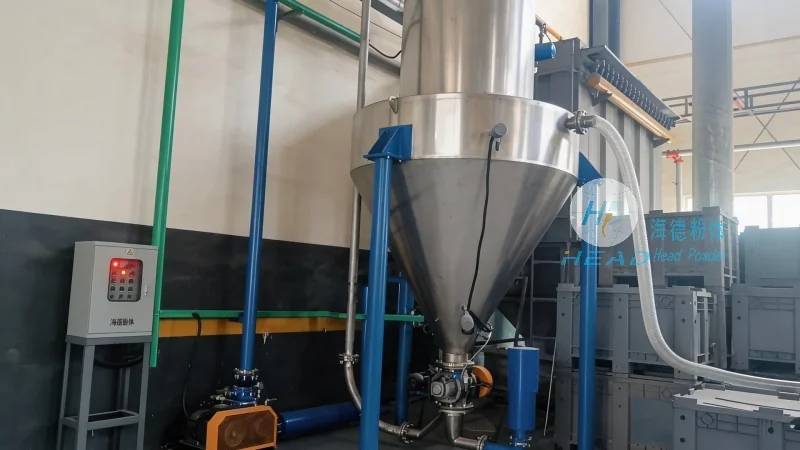
1. Airflow and Pressure Considerations: The velocity of the air in the conveying line is a critical factor. It must be high enough to suspend the powder particles but not so high as to cause excessive wear on the system components or create excessive pressure drops. The pressure required is determined by the system's length, the number of bends, and the properties of the powder. For fine powders like baking soda, higher air velocities and pressures are often needed to achieve effective transport.
2. Particle Size and Flowability: Baking soda powder typically has a relatively fine particle size, which can affect its flow characteristics. If the powder is cohesive or has poor flowability, it may require additional measures, such as the use of a vibratory feeder or the addition of a small amount of fluid to improve its flow properties before conveying. The system design must account for these characteristics to prevent blockages or uneven flow.
3. System Layout and Bends: The layout of the conveying line, including the number and angle of bends, significantly impacts the system's performance. Sharp bends can cause particle separation and increase pressure drop. Therefore, the design often incorporates gentle bends or uses components like spiral tubes or flex hoses to minimize these effects. The overall length and complexity of the line are also optimized to reduce energy consumption and maintain system efficiency.
4. Material Compatibility: The materials used for the conveying line and other components must be compatible with baking soda powder. Since the powder is a mild chemical, common materials like stainless steel or polyethylene are suitable. These materials resist corrosion and are easy to clean, which is important for maintaining product quality and preventing contamination.
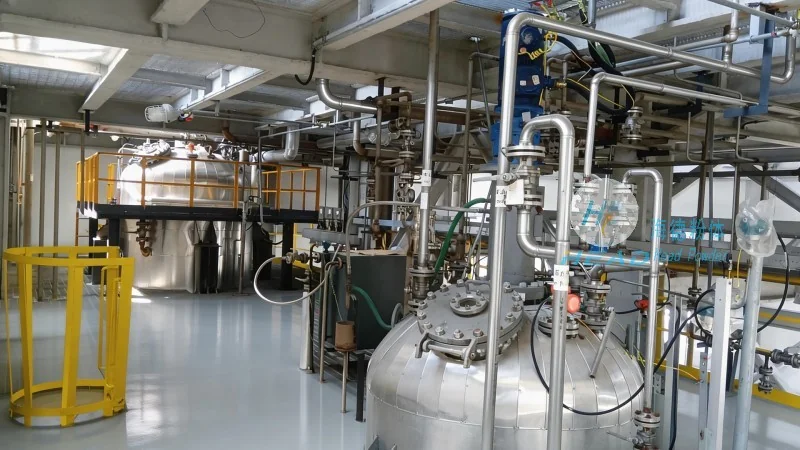
5. Safety and Environmental Considerations: Pneumatic conveying systems for baking soda powder must adhere to safety standards to prevent dust explosions or inhalation hazards. This includes proper ventilation, explosion-proof components, and dust collection systems. The design also considers environmental factors, such as minimizing dust emissions and ensuring the system operates efficiently to reduce energy consumption.
Applications and Benefits of Baking Soda Powder Pneumatic Conveying Systems
Baking soda powder pneumatic conveying systems are widely used in various industries due to their advantages over traditional conveying methods. Some of the key benefits include:
- Efficient and Dust-Free Transport: Unlike mechanical conveyors, pneumatic systems can transport baking soda powder without generating significant dust, making them ideal for applications where dust control is critical, such as in food processing or pharmaceutical manufacturing.
- Reduced Product Loss and Contamination: The enclosed system design minimizes product loss and prevents contamination from external sources, ensuring the quality of the baking soda powder remains consistent.
- Flexible Layout and Integration: Pneumatic conveying systems can be easily integrated into existing production lines and can be reconfigured to accommodate changes in process requirements or layout.
- Low Maintenance: With fewer moving parts compared to mechanical conveyors, pneumatic systems often require less maintenance, reducing downtime and operational costs.
- Energy Efficiency: Modern pneumatic conveying systems are designed to be energy-efficient, using the appropriate air pressure and flow rates to minimize energy consumption while maintaining effective transport.
Conclusion
A baking soda powder pneumatic conveying system is a sophisticated and efficient solution for transporting bulk dry powder materials. The design principles, which consider factors such as airflow, particle characteristics, and system layout, are crucial for optimizing performance and ensuring safe operation. Companies like Shandong HeadPowder Engineering Co., Ltd., based in China, specialize in designing and manufacturing such systems tailored to the specific needs of their clients. By leveraging the expertise of such companies, industries can enhance their material handling processes, improve product quality, and reduce operational costs.