When it comes to efficiently transporting wood chips, selecting the right pneumatic conveying system is crucial for optimizing operational performance and ensuring reliable material handling. As a leading provider in the industry, Shandong HeadPowder Engineering Co., Ltd. offers a range of tailored solutions designed to meet the specific needs of wood chip processing facilities. This article explores several effective approaches to pneumatic conveying of wood chips, highlighting key considerations and the expertise of HeadPowder in delivering high-quality engineering solutions.
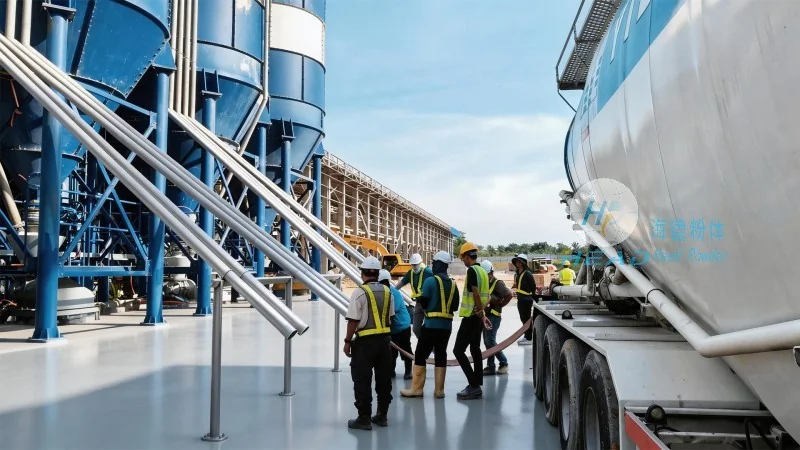
Key Factors in Choosing a Pneumatic Conveying System
The success of a wood chip pneumatic conveying system depends on several critical factors, including the type of wood chips being handled, the distance of material transport, and the required flow rate. Different conveying technologies, such as pressure and vacuum systems, offer distinct advantages and are suitable for various applications. For instance, pressure systems are ideal for long-distance transport and high-volume operations, while vacuum systems excel in short-distance and gentle handling of delicate wood chips. Understanding these differences is essential for selecting the most efficient solution for your facility.
Option 1: Positive Pressure Conveying Systems
Positive pressure conveying systems utilize a blower or compressor to generate air pressure that propels wood chips through a pipeline. This method is particularly effective for transporting wood chips over longer distances and in complex layouts. The system typically includes a hopper for material storage, a feeder to control the flow rate, and a pipeline network that delivers the chips to the destination. Positive pressure systems are known for their high capacity and ability to handle abrasive materials, making them a popular choice in large-scale wood chip processing plants. HeadPowder specializes in designing and manufacturing custom positive pressure systems that ensure consistent performance and minimal maintenance.
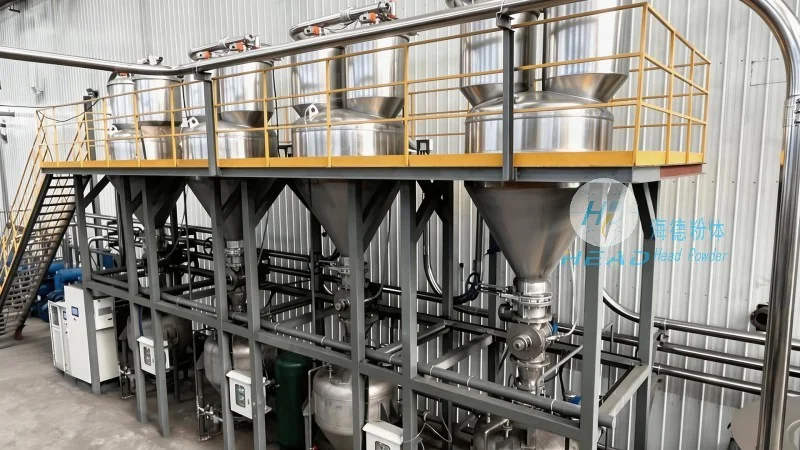
Option 2: Negative Pressure (Vacuum) Conveying Systems
Negative pressure conveying systems operate by creating a vacuum in the pipeline, which draws wood chips from the source to the collection point. This approach is well-suited for short-distance transport and applications requiring gentle handling of wood chips. Vacuum systems are often more compact and can be installed in existing facilities with minimal disruption. They are particularly effective for conveying fine wood chips or when the material needs to be collected from multiple points. HeadPowder offers vacuum conveying solutions that provide efficient and quiet operation, reducing noise and vibration in the processing environment.
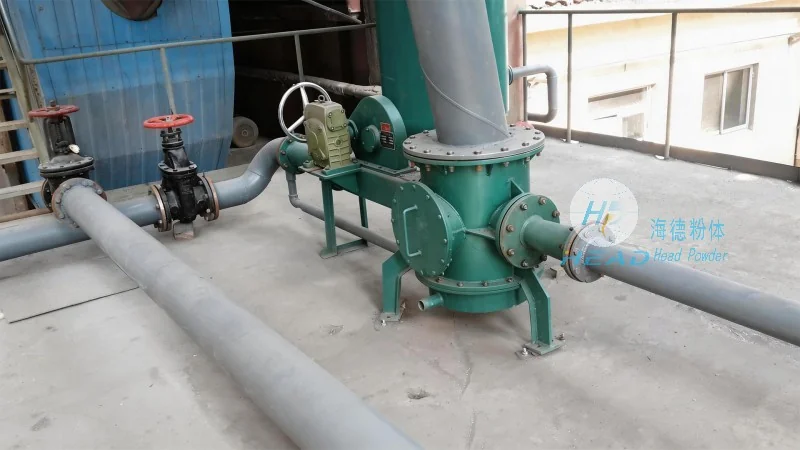
Option 3: Hybrid Conveying Systems
Hybrid systems combine elements of both positive and negative pressure technologies to offer flexibility and adaptability. These systems are designed to handle varying material types and transport requirements, making them suitable for diverse wood chip processing operations. For example, a hybrid system might use a positive pressure section for long-distance transport and a vacuum section for material collection from multiple sources. This approach allows for optimized energy use and reduced operational costs. HeadPowder engineers can design hybrid solutions that integrate the best features of both technologies, ensuring efficient and reliable performance.
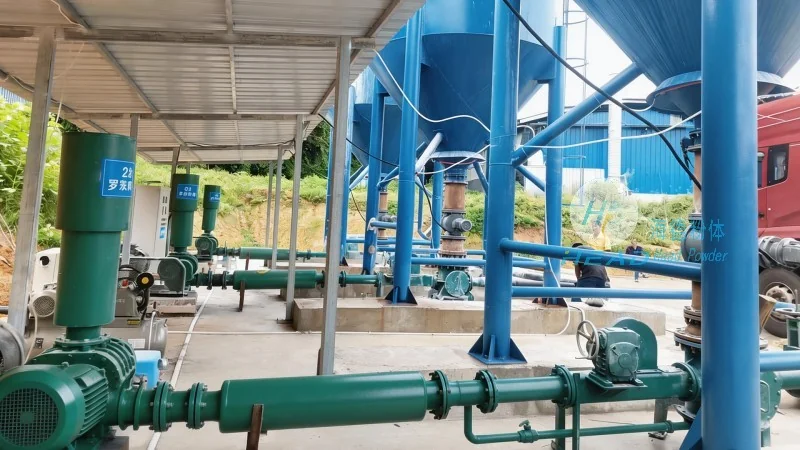
Design Considerations and Customization
When selecting a pneumatic conveying system for wood chips, several design considerations must be taken into account. The material's moisture content, particle size, and density affect the system's performance and energy consumption. Additionally, the system's capacity, pressure requirements, and maintenance needs should align with the facility's operational goals. HeadPowder provides comprehensive engineering services, including material testing, system design, and installation support, to ensure that the chosen solution meets all specifications and regulatory requirements. Our team of experts works closely with clients to understand their unique challenges and develop customized solutions that enhance productivity and reduce downtime.
Benefits of Pneumatic Conveying for Wood Chips
Implementing a pneumatic conveying system for wood chips offers numerous benefits, including improved safety, reduced labor costs, and enhanced operational efficiency. Unlike traditional belt or bucket elevators, pneumatic systems eliminate the need for manual handling, minimizing the risk of accidents and injuries. They also reduce the need for multiple handling equipment, streamlining the processing workflow and increasing overall productivity. Furthermore, pneumatic conveying systems are more hygienic and can be easily integrated with other processing equipment, such as drying or pelletizing machines. HeadPowder's solutions are designed to deliver these advantages while ensuring long-term reliability and low maintenance costs.




