Efficient and reliable dust gas power conveying systems are crucial in industrial applications where the transportation of fine particulate materials is required. The design of such systems involves careful consideration of multiple factors to ensure optimal performance, safety, and cost-effectiveness. This article outlines the essential design key points for dust gas power conveying systems, highlighting the expertise of Shandong HeadPowder Engineering Co., Ltd., a leading provider in the field.
Understanding the Core Components of Dust Gas Power Conveying Systems
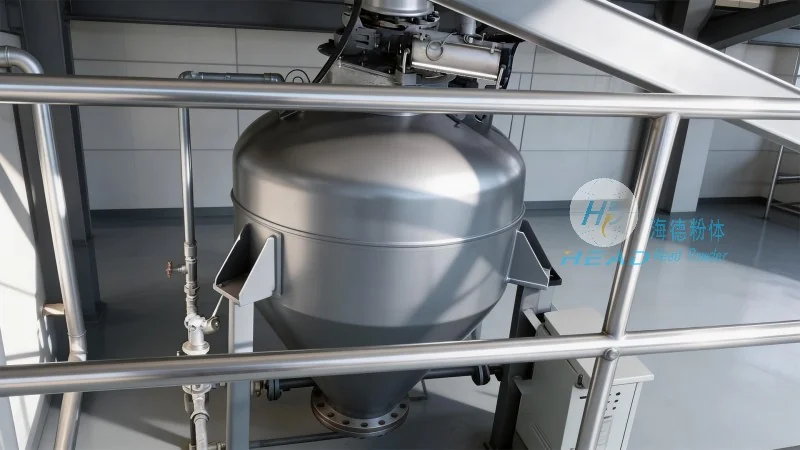
A dust gas power conveying system typically consists of several key components, including a dust collector, a blower or compressor, a pipeline network, and a material feed system. Each component plays a vital role in the overall operation of the system. The dust collector is responsible for capturing and separating the fine particles from the air stream, while the blower or compressor provides the necessary pressure and airflow to move the material through the pipeline. The pipeline network must be designed to minimize pressure loss and ensure smooth material flow, and the material feed system must be capable of delivering the material to the system at a consistent rate.
Design Key Points for Optimal Performance
Several critical design considerations are essential to ensure the efficient operation of a dust gas power conveying system. First, the selection of the appropriate blower or compressor is crucial. The type and size of the equipment must be matched to the specific material being conveyed, as well as the required airflow and pressure. Second, the pipeline design is a key factor. The diameter, length, and layout of the pipeline must be optimized to minimize pressure drop and prevent material buildup or blockages. Third, the material feed system must be designed to handle the specific characteristics of the material, such as its particle size, density, and moisture content. Proper feeding mechanisms, such as rotary valves or star feeders, are essential to ensure consistent material flow and prevent clogging.
Material Selection and System Integration
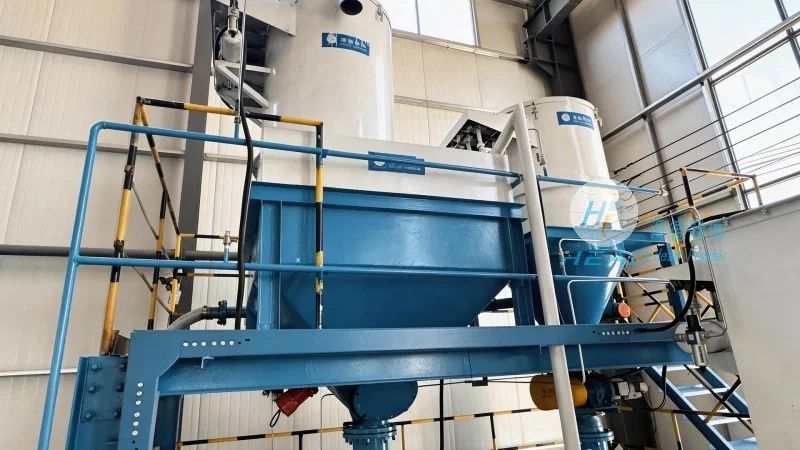
The choice of materials for the system components is another critical design consideration. The pipeline and other components must be made of materials that are resistant to corrosion, abrasion, and wear, especially when handling abrasive or corrosive materials. Additionally, the system must be integrated with other industrial processes, such as dust collection or material processing, to ensure seamless operation. Proper integration ensures that the conveying system works in harmony with the overall production line, minimizing downtime and maximizing productivity.
Safety and Maintenance Considerations
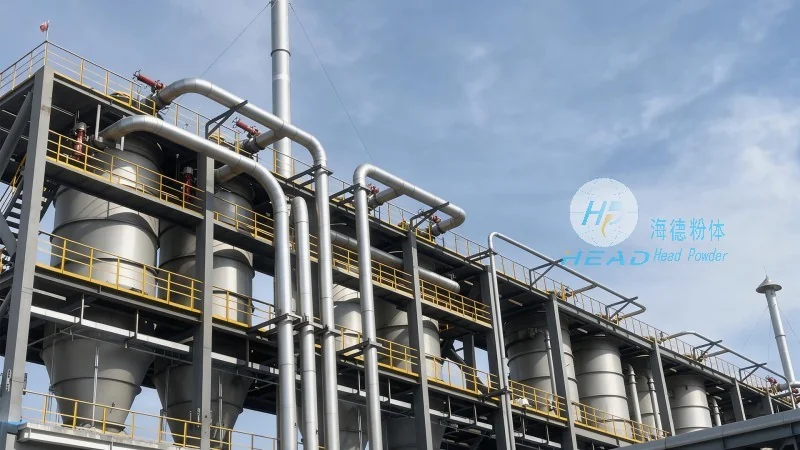
Ensuring the safety of the system and its operators is paramount. The design must include safety features such as pressure relief valves, explosion-proof components, and proper ventilation to prevent the buildup of hazardous gases or dust. Regular maintenance is also essential to ensure the system operates at peak performance. This includes routine inspections of the blower, pipeline, and material feed system, as well as cleaning and replacement of filters and other components as needed.
Expertise of Shandong HeadPowder Engineering Co., Ltd.
Shandong HeadPowder Engineering Co., Ltd. is a leading provider of dust gas power conveying systems, with years of experience in designing and manufacturing high-quality solutions for various industrial applications. The company specializes in customizing systems to meet the specific needs of clients, ensuring that each system is tailored to the unique requirements of the application. With a team of experienced engineers and technicians, HeadPowder offers comprehensive support, from initial design and installation to ongoing maintenance and troubleshooting.




