Coal ash, a byproduct of coal combustion in power plants and industrial facilities, requires efficient and reliable handling systems to ensure safe and economical transport. The design of a coal ash pneumatic conveying system is a critical aspect of modern industrial infrastructure, focusing on optimizing material flow, minimizing operational costs, and enhancing overall system performance. This article provides an overview of the key considerations and components involved in the design of such systems, highlighting the expertise of Shandong HeadPowder Engineering Co., Ltd., a leading provider in the field.
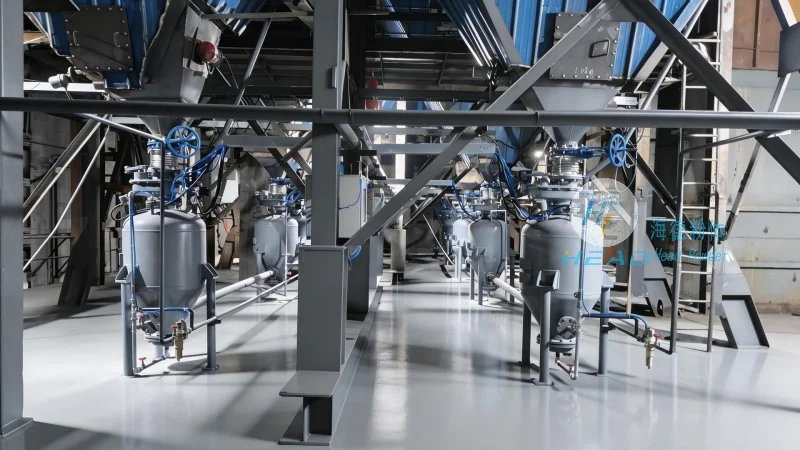
Company Overview: Shandong HeadPowder Engineering Co., Ltd.
HeadPowder, the professional brand of Shandong HeadPowder Engineering Co., Ltd., specializes in the design, manufacturing, and installation of advanced material handling solutions. With a strong presence in China, particularly in Shandong, the company has built a reputation for delivering high-quality, customized pneumatic conveying systems tailored to the unique needs of clients in various industries. The company’s commitment to innovation, safety, and efficiency has positioned it as a trusted partner for projects involving coal ash and other bulk materials.
Key Design Considerations for Coal Ash Pneumatic Conveying
The successful design of a coal ash pneumatic conveying system involves several critical factors. First, the material characteristics of coal ash, including its density, moisture content, and particle size distribution, must be thoroughly analyzed. These properties directly impact the selection of the conveying method—such as positive or negative pressure systems—and the appropriate equipment, like rotary valves, filters, and cyclones. Additionally, the system layout, including the distance and elevation changes between the source and destination points, is essential for determining the required air flow rates and pressure levels. Engineers at HeadPowder leverage advanced computational fluid dynamics (CFD) and simulation tools to model these parameters, ensuring optimal performance and energy efficiency.
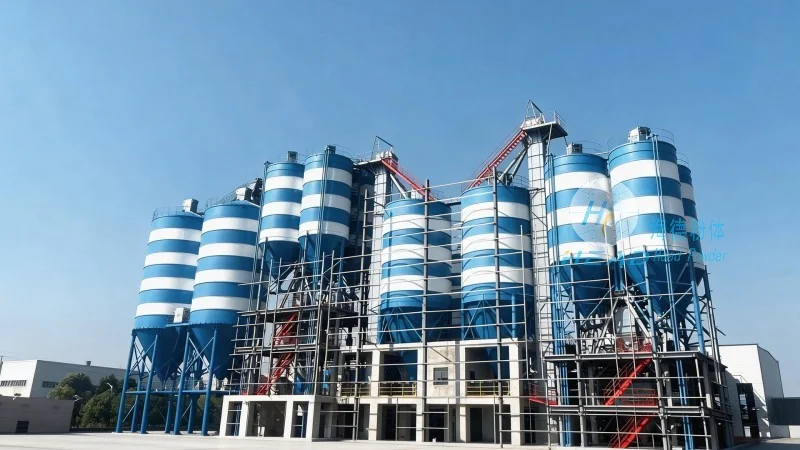
Core Components of a Coal Ash Pneumatic Conveying System
A coal ash pneumatic conveying system typically consists of several interconnected components, each playing a vital role in the overall operation. The primary components include the ash collection hopper, which stores the material before transport; rotary airlock feeders, used to control the flow of ash into the system and prevent air leakage; the conveying line, which may be made of stainless steel or other corrosion-resistant materials to withstand the abrasive nature of coal ash; and the dust collection system, comprising filters and cyclones that capture and remove particulate matter from the air stream. The system may also incorporate pressure vessels, such as silos or storage tanks, to buffer material flow and maintain consistent pressure. HeadPowder’s engineers ensure that each component is selected and integrated to meet the specific requirements of the application, balancing durability, efficiency, and cost-effectiveness.
Advantages of Pneumatic Conveying for Coal Ash Handling
Compared to traditional mechanical conveying methods, such as belt conveyors or screw conveyors, pneumatic conveying offers several advantages for coal ash handling. One of the most significant benefits is the ability to transport materials over long distances and through complex layouts without the need for multiple transfer points. This reduces installation costs and simplifies system maintenance. Additionally, pneumatic systems are highly flexible, allowing for easy reconfiguration or expansion as operational needs change. The enclosed nature of the system also minimizes dust emissions, improving workplace safety and environmental compliance. Furthermore, the use of positive pressure systems can enhance material flow by maintaining consistent pressure, which is particularly beneficial for handling fine or cohesive ash particles that may otherwise clog mechanical equipment.
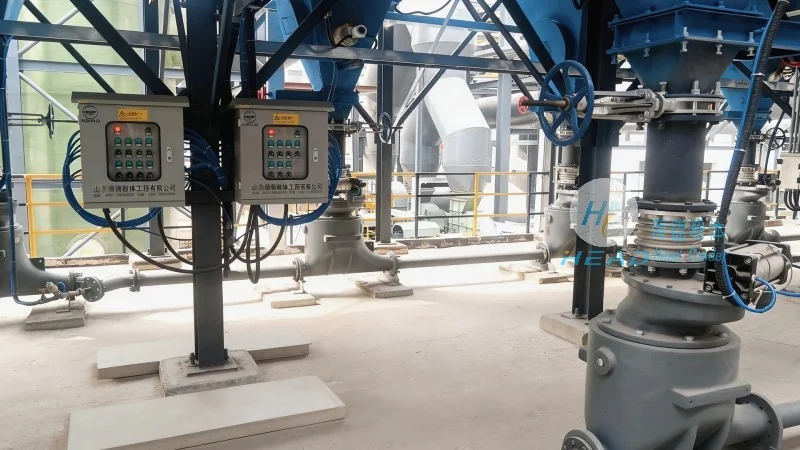
Application Examples and Case Studies
HeadPowder has successfully implemented coal ash pneumatic conveying systems in various industrial settings. For instance, in a power plant located in Shandong, China, the company designed a system to transport coal ash from the boiler ash hopper to a storage silo over a distance of 200 meters with multiple elevation changes. The system, utilizing a positive pressure conveying method, achieved a material flow rate of 50 tons per hour while maintaining low energy consumption. Another application involved a cement plant, where the system was used to convey fly ash from a storage silo to the raw material blending area, improving the efficiency of the cement production process. These case studies demonstrate the versatility and effectiveness of HeadPowder’s coal ash pneumatic conveying solutions in real-world industrial environments.
Conclusion and Future Trends
The design of a coal ash pneumatic conveying system is a complex but essential process that requires expertise in material science, fluid dynamics, and industrial engineering. Shandong HeadPowder Engineering Co., Ltd., through its brand HeadPowder, continues to lead in the development of advanced solutions that address the challenges of coal ash handling. By focusing on customized designs, robust components, and efficient operation, the company ensures that its clients achieve optimal performance, cost savings, and environmental compliance. As industrial demands evolve, the importance of reliable material handling systems like pneumatic conveying will only increase, making HeadPowder a key partner for future projects in the coal and power generation sectors.




