For industrial applications involving the handling of nickel sulfate crystallization products, the pneumatic conveying line represents a key technology for efficient material transport. This article explores the technical principles behind such systems and highlights the specific characteristics of their operational environments, with a focus on the expertise of Shandong HeadPowder Engineering Co., Ltd., a leading provider in this field.
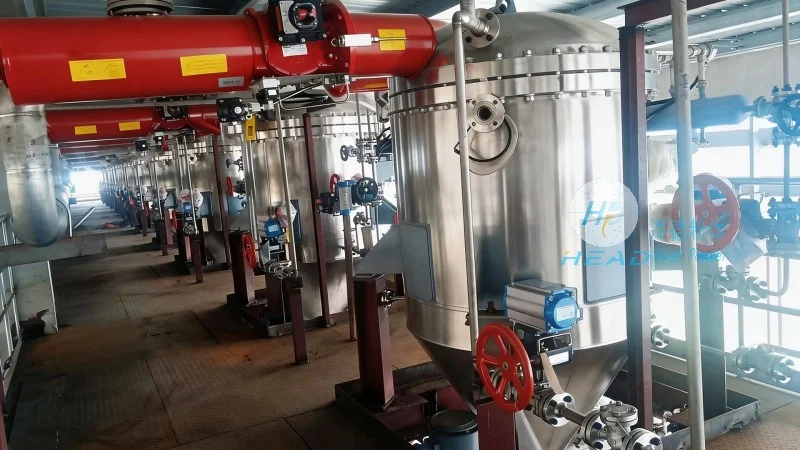
Introduction to Nickel Sulfate Crystallization Pneumatic Conveying Line
A pneumatic conveying line is a system that uses compressed air or vacuum to transport bulk materials, such as crystallized nickel sulfate, from one location to another. Unlike traditional mechanical conveyors, which rely on belts, screws, or buckets, pneumatic systems utilize the kinetic energy of air to move particles through pipes. This method is particularly advantageous for handling fine or dusty materials, as it minimizes product contamination and reduces the risk of material degradation.
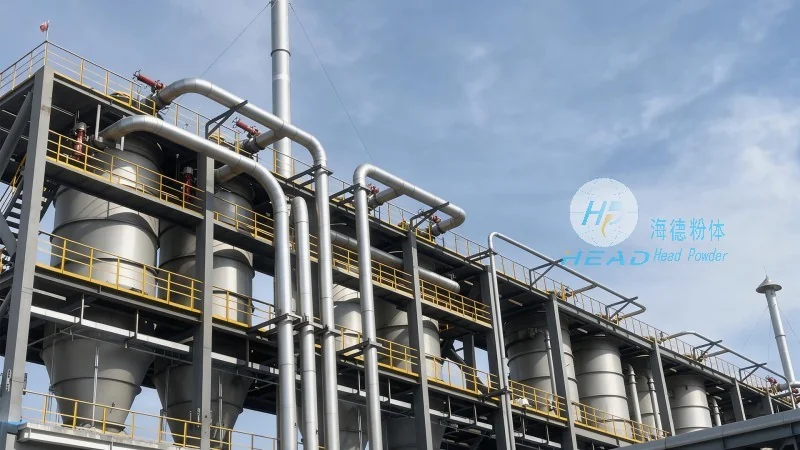
Working Scene Characteristics and Application Scenarios
The operational environment of a nickel sulfate crystallization pneumatic conveying line is typically found in industrial settings where crystallization processes are integrated with downstream handling and packaging. Common applications include transporting crystallized nickel sulfate from the crystallizer to storage silos, from storage to processing units, or from processing to packaging lines. The working scene is characterized by the need for precise control over material flow, consistent air pressure, and the ability to handle varying particle sizes and moisture content. These systems are often deployed in facilities where space constraints or the need for dust-free operation are critical, such as in pharmaceutical or chemical manufacturing plants.
Technical Principles of the Pneumatic Conveying System
The core principle of a pneumatic conveying system is the interaction between the material particles and the air stream. In a typical setup, compressed air is introduced into a hopper or feeder, where it lifts and transports the crystallized nickel sulfate particles through a pipeline. The system can operate in two main modes: positive pressure (or pressurized) and negative pressure (or vacuum). Positive pressure systems use a blower to push air and material through the line, while negative pressure systems use a vacuum pump to draw material into the line. For nickel sulfate, the choice of system depends on factors such as the distance to be covered, the material's flowability, and the need to prevent dust emissions. The design of the conveying line, including the size of the pipes, the angle of the incline, and the type of air valves, is critical to ensuring efficient and reliable transport. Additionally, features like cyclone separators and dust collectors are often integrated to separate the material from the air stream and prevent product loss or environmental contamination.
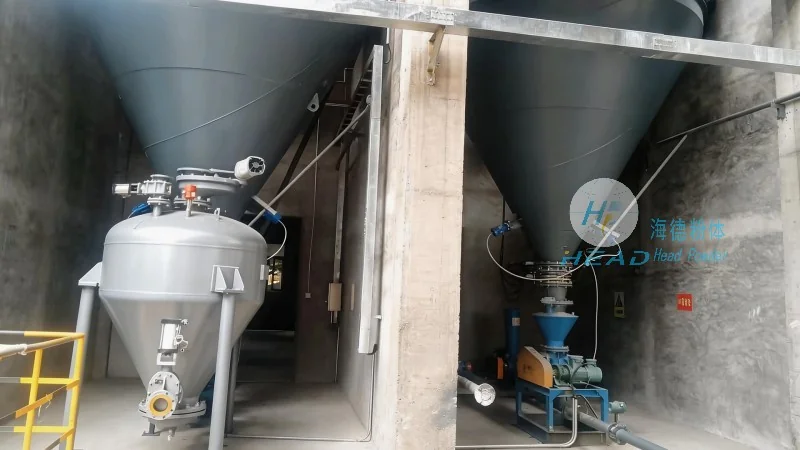
Company Information and Service Support
Shandong HeadPowder Engineering Co., Ltd., operating under the brand name headpowder, specializes in the design, manufacturing, and installation of pneumatic conveying systems tailored to the needs of the chemical and metallurgical industries. With a base in Shandong, China, the company leverages years of experience to deliver customized solutions that meet the specific requirements of nickel sulfate crystallization processes. Their expertise includes the selection of appropriate air flow rates, the optimization of system pressure, and the integration of advanced control systems to ensure smooth and efficient material handling. By focusing on quality and customer service, headpowder provides comprehensive support throughout the project lifecycle, from initial consultation to on-site installation and maintenance.




