Desulfurization and dust removal fly ash pneumatic conveying lines are advanced industrial systems designed to handle and transport fly ash efficiently from desulfurization and dust removal processes. These systems play a crucial role in modern power plants and industrial facilities, ensuring the safe and effective removal of ash byproducts while maintaining operational efficiency and environmental compliance.
Company Profile
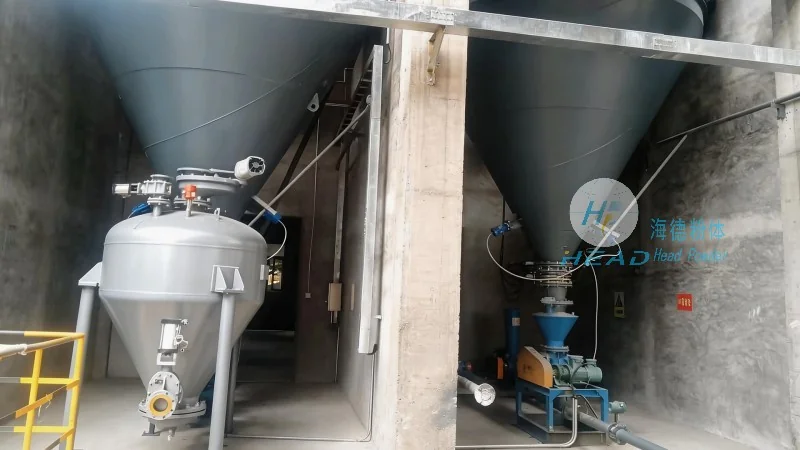
HeadPowder, a leading engineering solutions provider based in Shandong, China, specializes in the design, manufacturing, and installation of high-performance pneumatic conveying systems. With years of experience in the field, HeadPowder has established itself as a trusted partner for industries requiring reliable and efficient ash handling solutions. The company's headquarters is located in Shandong, China, where it leverages local expertise and resources to deliver tailored solutions that meet the unique needs of its clients.
Principle of Pneumatic Conveying Systems
The core principle of a desulfurization and dust removal fly ash pneumatic conveying line is the use of air pressure to transport solid materials, in this case, fly ash, through a pipeline network. The system typically operates on either positive or negative pressure, depending on the specific application requirements. Positive pressure systems force air and ash through the pipeline, while negative pressure systems draw ash into the system using a vacuum. The process involves several key components, including a dust collector, a conveying pipeline, a control system, and a discharge unit. The dust collector captures the fly ash from the flue gas, and the conveying pipeline transports it to the storage or disposal location. The control system monitors and regulates the air flow and pressure to ensure smooth and continuous operation. The discharge unit then releases the ash into a storage silo or transport vehicle, completing the cycle.
Working Scene Characteristics
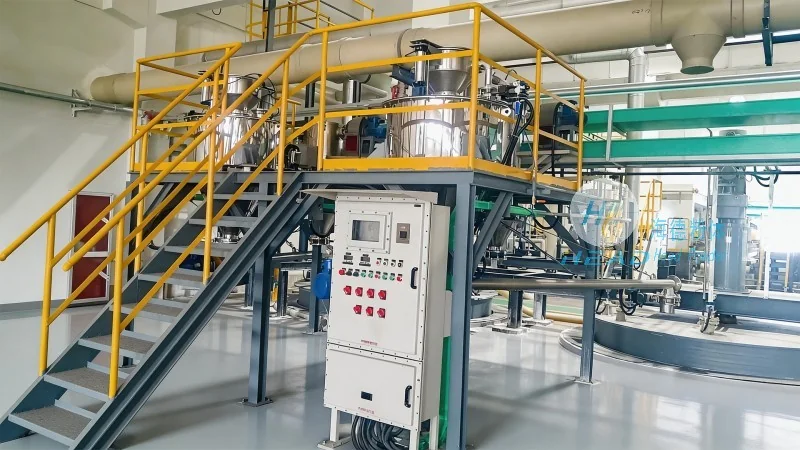
The working scene characteristics of desulfurization and dust removal fly ash pneumatic conveying lines are defined by several key factors that influence system performance and efficiency. First, the system is designed to handle high volumes of fly ash, typically ranging from several tons to hundreds of tons per hour, depending on the plant's capacity. This requires robust pipeline designs and high-capacity air handling units to maintain consistent flow rates. Second, the material properties of fly ash, such as its density, moisture content, and particle size distribution, significantly impact the conveying process. For example, wet or sticky ash may require additional conditioning, such as drying or agglomeration, to prevent blockages in the pipeline. Third, the system must be integrated with existing desulfurization and dust removal equipment, ensuring seamless operation and minimal downtime. This integration often involves custom-designed interfaces and control systems that coordinate with the plant's overall process control network. Fourth, the system's environmental impact is a critical consideration, as it must comply with local regulations regarding emissions and waste disposal. Advanced filtration and dust collection systems are incorporated to minimize air pollution and ensure compliance with environmental standards.
Applications and Industry Integration
Desulfurization and dust removal fly ash pneumatic conveying lines are widely used in various industrial sectors, primarily in power generation, where coal-fired boilers are common. The system is essential for managing the large volumes of fly ash produced during the flue gas treatment process. In addition to power plants, these systems are also applied in industrial facilities that use fossil fuels or other combustion processes, such as cement plants, steel mills, and chemical factories. The versatility of the system allows it to be adapted to different plant sizes and operational conditions, from small-scale facilities to large-scale power stations. The integration of these systems with existing infrastructure requires careful planning and engineering to ensure compatibility and optimal performance. HeadPowder's expertise in system design and integration enables it to provide customized solutions that meet the specific requirements of each client, whether it's a new installation or an upgrade to an existing system.
Advantages and Technical Considerations
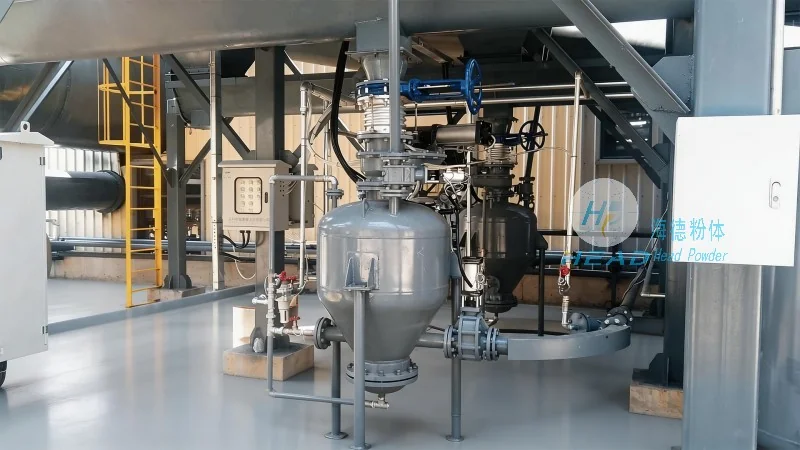
Implementing a desulfurization and dust removal fly ash pneumatic conveying line offers several advantages over traditional ash handling methods, such as bucket elevators or belt conveyors. One of the primary benefits is the reduction in labor costs and operational complexity, as the system automates the entire ash transport process. Additionally, pneumatic conveying systems are more flexible, allowing for multiple discharge points and the ability to transport ash over longer distances without the need for intermediate storage. This flexibility is particularly valuable in large power plants where ash needs to be transported to multiple storage facilities or disposal sites. Another advantage is the improved safety and environmental performance. By eliminating the need for manual handling of ash, the system reduces the risk of occupational hazards and minimizes dust emissions during transport. However, the implementation of such systems also requires careful consideration of technical factors, including the selection of appropriate air velocities, pipeline diameters, and material flow rates. These parameters must be optimized to prevent blockages, ensure efficient transport, and minimize energy consumption. HeadPowder's engineering team conducts thorough feasibility studies and system simulations to determine the optimal design parameters for each project, ensuring that the final system meets all performance and operational requirements.
Future Trends and Innovations
As the demand for efficient and environmentally friendly ash handling solutions continues to grow, the desulfurization and dust removal fly ash pneumatic conveying line is evolving with new technologies and innovations. One of the key trends is the integration of smart control systems, which use sensors and data analytics to monitor system performance in real-time. These systems can detect potential issues, such as blockages or pressure drops, and automatically adjust the air flow or pressure to maintain optimal operation. This not only improves system reliability but also reduces maintenance costs and downtime. Another innovation is the use of advanced materials for pipeline construction, such as high-strength plastics or corrosion-resistant metals, which enhance the system's durability and longevity. Additionally, the development of hybrid systems that combine pneumatic conveying with other technologies, such as vacuum-assisted or pressure-assisted conveying, is becoming more common. These hybrid systems offer improved flexibility and efficiency, allowing for the transport of a wider range of materials and under various operational conditions. HeadPowder remains at the forefront of these technological advancements, continuously investing in research and development to provide cutting-edge solutions that meet the evolving needs of the industry.




