HeadPowder, a leading engineering company based in Shandong, China, specializes in the design and implementation of advanced pneumatic conveying systems tailored for handling sawdust and wood flakes. This article delves into the fundamental principles of such systems and highlights the key characteristics of their operational environments, providing a comprehensive understanding for potential users and industry professionals.
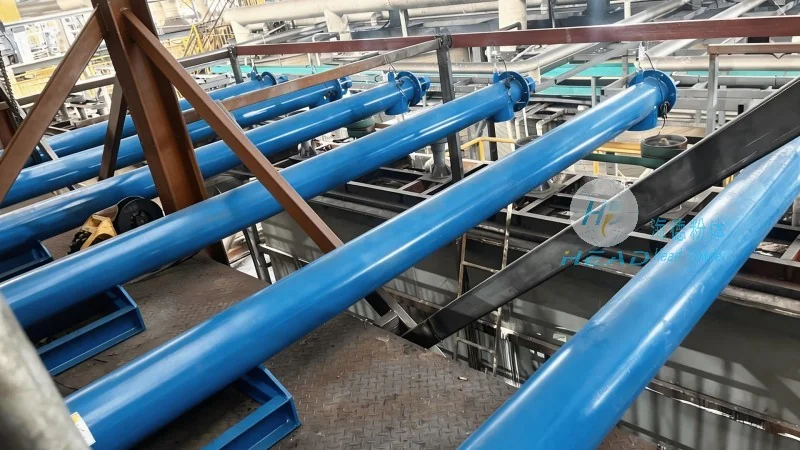
HeadPowder Engineering Co., Ltd., headquartered in Shandong, China, is dedicated to delivering innovative solutions for material handling challenges. With years of expertise in engineering, the company focuses on developing efficient and reliable pneumatic conveying lines specifically for processing sawdust and wood flakes, ensuring optimal performance in various industrial applications.
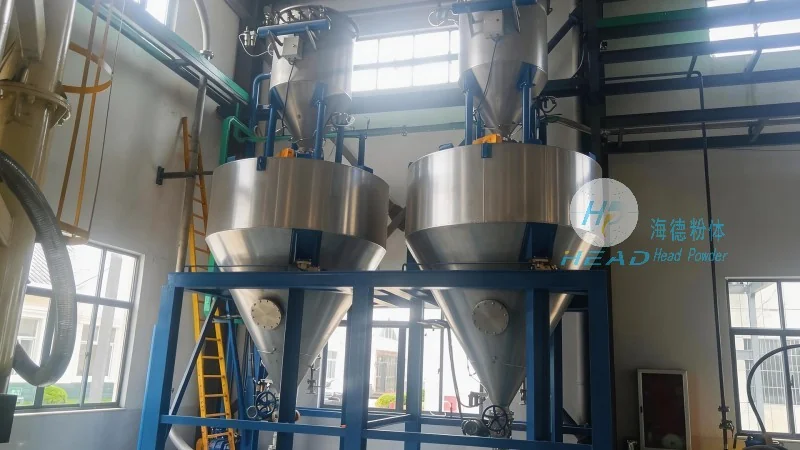
Principle of Sawdust and Wood Flake Pneumatic Conveying Systems
Pneumatic conveying systems operate by transporting bulk materials, such as sawdust and wood flakes, through a pipeline using air or gas. The core principle involves creating a pressure differential within the system, either by generating positive pressure (blowing air into the line) or negative pressure (sucking air out of the line). For sawdust and wood flakes, which are typically light and have a tendency to agglomerate, a positive pressure system is often preferred as it provides better control over material flow and reduces the risk of blockages. The system consists of several key components, including a hopper for material storage, a feeder to regulate the flow of material into the pipeline, a conveying line (usually made of stainless steel or other corrosion-resistant materials to withstand the abrasive nature of wood particles), and a receiver for the material at the destination. The air flow is managed by a blower or fan, which maintains the necessary pressure to move the material through the line. The velocity of the air is critical; it must be sufficient to keep the material suspended and prevent settling, while also avoiding excessive wear on the system components. The design of the conveying line, including the diameter, length, and bends, is carefully calculated to ensure smooth and efficient transport, minimizing energy consumption and maximizing material throughput.
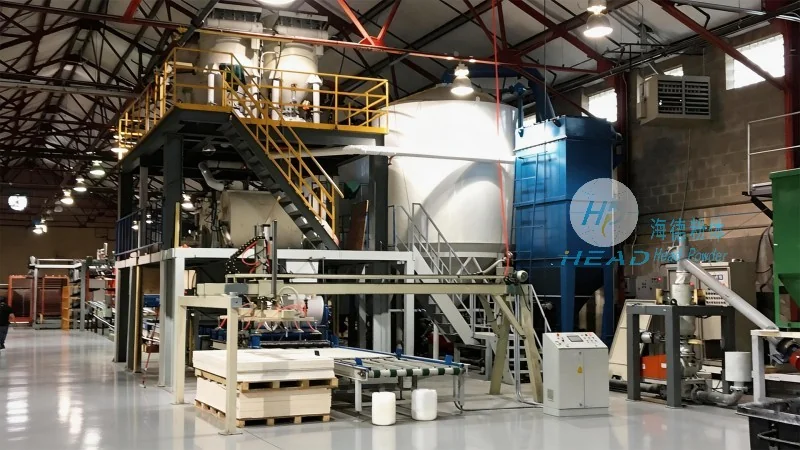
Working Scene Characteristics of Sawdust and Wood Flake Pneumatic Conveying Lines
The operational environments for sawdust and wood flake pneumatic conveying lines vary significantly based on the specific industry and application. These systems are commonly used in the wood processing industry, including sawmills, wood pellet production facilities, and furniture manufacturing plants, where large volumes of sawdust and wood flakes need to be moved from one location to another. In such settings, the primary goal is to achieve high efficiency in material transport while maintaining low operational costs. The working scene characteristics include high material throughput requirements, often ranging from several tons per hour to tens of tons per hour, depending on the scale of the operation. The systems are also designed to handle materials with varying moisture content and particle sizes, which can affect the conveying efficiency. Another key characteristic is the need for dust control and environmental compliance, as sawdust and wood flakes are often considered airborne pollutants. Therefore, the conveying lines are equipped with dust collection systems, such as cyclones or bag filters, to capture and remove fine particles from the air, ensuring a clean and safe working environment. Additionally, the systems are typically integrated with other processing equipment, such as drying ovens or pelletizers, to form a seamless production line. The working scene also involves considerations of space constraints, as the conveying lines may need to navigate around existing machinery or structures. The flexibility of the system design allows for customization to fit the specific layout and requirements of each facility, ensuring optimal performance and minimal disruption to the production process.
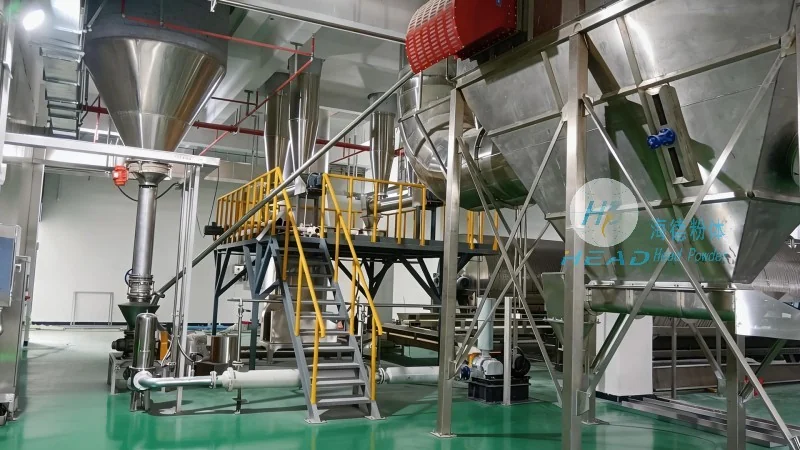
Advantages and Application Scenarios
HeadPowder's sawdust and wood flake pneumatic conveying lines offer several advantages over traditional mechanical conveying methods. One of the most significant benefits is the ability to transport materials over long distances with minimal maintenance. Unlike belt conveyors or screw conveyors, which require regular cleaning and replacement of parts, pneumatic systems have fewer moving parts and are less prone to wear and tear. This results in lower operational costs and increased reliability. Another advantage is the flexibility in material handling, as the system can be easily adjusted to accommodate changes in material properties or production volumes. The positive pressure system, in particular, allows for the transport of materials with higher moisture content or larger particle sizes without the risk of clogging. In terms of application scenarios, these systems are widely used in the production of wood pellets, where sawdust and wood flakes are converted into a uniform fuel source. They are also employed in the manufacturing of particleboard and other wood-based products, where the consistent supply of raw materials is crucial for maintaining production efficiency. Furthermore, the systems are suitable for use in recycling facilities, where sawdust and wood flakes are collected and processed into new products, contributing to sustainable waste management practices. The working scene characteristics, such as high throughput and dust control, make these systems ideal for large-scale industrial operations, where efficiency and environmental compliance are paramount.




