

Principle and Working Scene Characteristics of Metal Aluminum Powder Pneumatic Conveying Lines
Shandong HeadPowder Engineering Co., Ltd., a professional manufacturer based in Shandong, China, specializes in the design, development, and implementation of advanced pneumatic conveying systems tailored for metal aluminum powder handling. Our company, commonly known as HeadPowder, focuses on providing efficient and reliable solutions for industries that require precise and safe transportation of aluminum powders. This article explores the fundamental principles behind metal aluminum powder pneumatic conveying lines and highlights the key characteristics of their working scenarios.
Principle of Metal Aluminum Powder Pneumatic Conveying
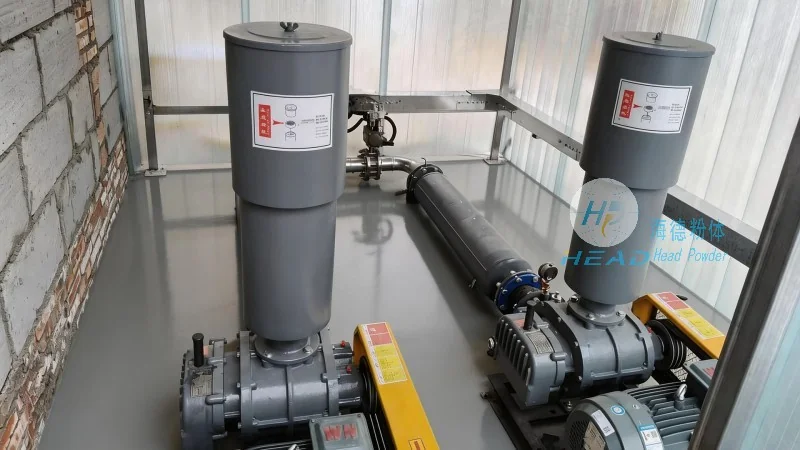
The core principle of metal aluminum powder pneumatic conveying involves the use of compressed air or other gases to transport powder materials through a pipeline system. In this process, the aluminum powder is suspended in the air stream, allowing it to be moved from the source to the destination without the need for mechanical components like belts or buckets. The system typically consists of a hopper for material storage, a feeder to control the flow rate, a conveying line with appropriate diameter and pressure, and a receiver to collect the material at the end. The compressed air is introduced at one end of the line, creating a flow that carries the aluminum powder particles through the pipeline. This method leverages the kinetic energy of the air to overcome the gravitational and frictional forces acting on the powder particles, enabling efficient and continuous material transfer.
Working Scene Characteristics of Metal Aluminum Powder Pneumatic Conveying Lines
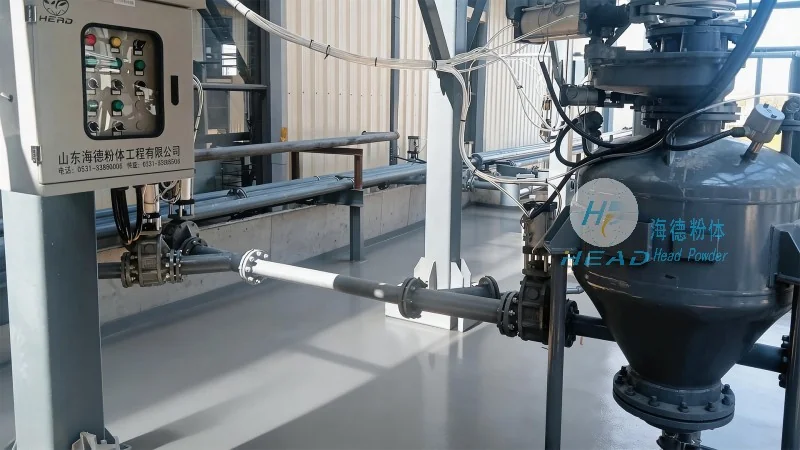
The working scene characteristics of metal aluminum powder pneumatic conveying lines are tailored to meet the specific demands of various industrial applications. These systems are commonly used in environments where dust control, material purity, and operational efficiency are critical. For instance, in the aerospace and automotive industries, where high-purity aluminum powders are essential for manufacturing components, pneumatic conveying ensures that the material remains uncontaminated and free from moisture or other impurities. The enclosed pipeline design minimizes exposure to external elements, reducing the risk of oxidation or contamination during transport. Additionally, the flexibility of pneumatic conveying allows for easy integration into existing production lines, enabling seamless material transfer between different processing stages. The systems are also designed to handle varying powder flow rates, from low to high, ensuring that production processes can be scaled up or down as needed without compromising performance. In terms of operational safety, the enclosed nature of the conveying line prevents dust dispersion into the workplace, adhering to occupational health and safety regulations. This feature is particularly important in industries where aluminum powders are known to be flammable or reactive, as it reduces the risk of fire or explosion hazards.
Key Features and Advantages in Practical Applications
When evaluating the practical applications of metal aluminum powder pneumatic conveying lines, several key features and advantages become evident. The ability to transport aluminum powders over long distances without the need for intermediate storage or handling points is a significant benefit. This reduces the risk of material degradation and minimizes the need for additional equipment, such as elevators or conveyors. The system's ability to handle abrasive materials, like aluminum powders, is another critical advantage. The smooth interior surfaces of the conveying pipelines and the use of appropriate materials for components ensure that wear and tear are minimized, extending the lifespan of the equipment. Furthermore, the control systems integrated into modern pneumatic conveying lines allow for precise regulation of flow rates and pressure, enabling operators to adjust the system parameters in real-time based on production requirements. This adaptability is crucial in dynamic manufacturing environments where production schedules may change frequently. The energy efficiency of pneumatic conveying systems is also noteworthy. By optimizing the air pressure and flow rate, companies can reduce energy consumption while maintaining the required material transfer rates. This not only lowers operational costs but also aligns with sustainability goals in industrial operations.
Conclusion
Shandong HeadPowder Engineering Co., Ltd. offers advanced metal aluminum powder pneumatic conveying lines that combine efficient material transport with robust safety features. The principles of pneumatic conveying, combined with tailored working scene characteristics, make these systems ideal for industries requiring high-purity aluminum powders. By leveraging the expertise of HeadPowder, businesses can enhance their production processes, improve material handling efficiency, and ensure compliance with industry standards. The company's commitment to quality and innovation ensures that its pneumatic conveying solutions meet the evolving needs of modern manufacturing, providing reliable and sustainable material transport solutions for the aluminum powder industry.