Desulfurization gypsum, a byproduct from flue gas desulfurization processes in power plants and industrial facilities, requires efficient handling and transportation. Pneumatic conveying systems offer a reliable method to transport this material, and various solutions have been developed to address different operational needs. This article explores several effective approaches for pneumatic conveying of desulfurization gypsum, highlighting the technical considerations and practical applications.
Company Introduction
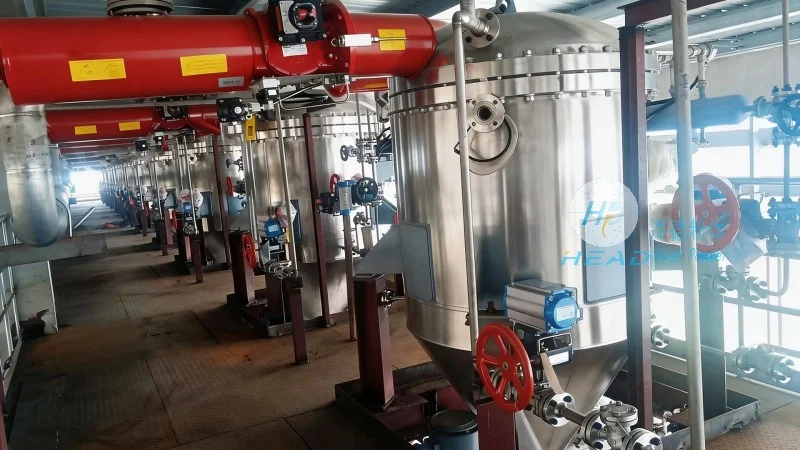
HeadPowder, or Shandong HeadPowder Engineering Co., Ltd., is a professional manufacturer and supplier specializing in pneumatic conveying equipment and related solutions. With a focus on innovation and quality, the company provides tailored systems for handling desulfurization gypsum and other bulk materials. HeadPowder's expertise in material handling technology ensures that clients receive efficient and reliable equipment designed to meet specific industrial requirements.
Pneumatic Conveying Systems Overview
Pneumatic conveying involves the transport of bulk materials using air or gas as the conveying medium. For desulfurization gypsum, which is typically a fine, dry powder, positive pressure or negative pressure systems are commonly used. Positive pressure systems, such as pressure vessels or blower-driven lines, push the material through the pipeline, while negative pressure systems use vacuum to draw the material into the system. The choice of system depends on factors like material properties, distance, and throughput requirements.
Option 1: Positive Pressure Conveying with Blower System
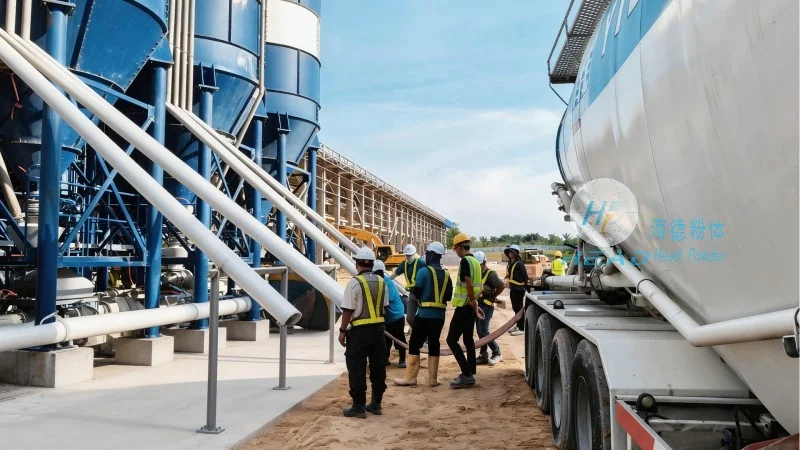
One of the most common solutions for desulfurization gypsum pneumatic conveying is the positive pressure blower system. This method uses a high-pressure blower to generate airflow that propels the gypsum particles through the pipeline. The system typically includes a hopper for material storage, a rotary valve for controlled discharge, and a pipeline network with appropriate fittings and filters. The blower system ensures consistent material flow and can handle long distances with minimal pressure drop. HeadPowder's positive pressure blower systems are designed with robust components to withstand the abrasive nature of desulfurization gypsum, ensuring long-term reliability and low maintenance costs.
Option 2: Negative Pressure Conveying with Vacuum System
Negative pressure conveying, or vacuum systems, is another effective solution for transporting desulfurization gypsum. This approach uses a vacuum pump to create a suction force that draws the material from the source into the pipeline. The system often includes a collection hopper, a rotary airlock, and a filter to prevent dust from entering the vacuum pump. Negative pressure systems are particularly suitable for applications where the material needs to be transported from multiple points or where the source is at a higher elevation than the destination. HeadPowder's vacuum conveying systems are equipped with advanced filtration and control mechanisms to maintain air quality and system efficiency.
Option 3: Hybrid Conveying Systems
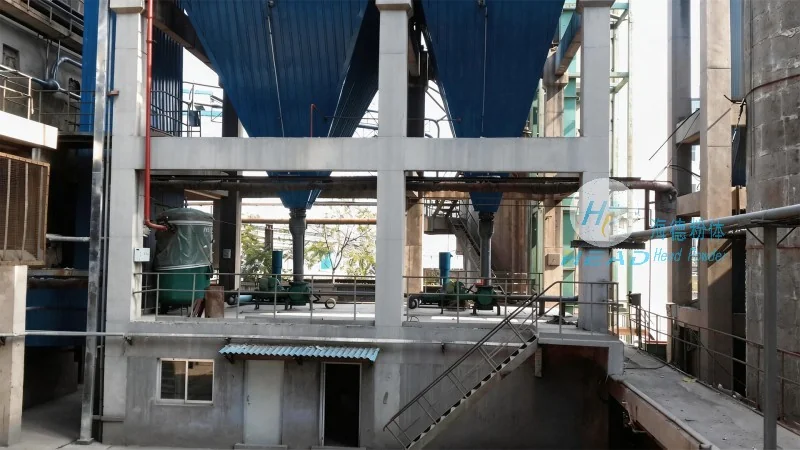
For complex applications involving multiple material sources or varying distances, hybrid conveying systems combine both positive and negative pressure elements. These systems may use a blower to transport material from a primary source and a vacuum pump to handle secondary or remote sources. Hybrid systems offer flexibility and can optimize energy consumption by using the most appropriate pressure type for each segment of the conveying line. HeadPowder provides customized hybrid solutions that integrate the best features of both positive and negative pressure systems, ensuring efficient and cost-effective material transport for diverse industrial scenarios.
Key Considerations for System Selection
When selecting a pneumatic conveying system for desulfurization gypsum, several factors must be considered to ensure optimal performance. Material properties, such as particle size, moisture content, and abrasiveness, play a critical role in determining the system type and components. The distance between the source and destination, as well as the required throughput, also influence the system design. Additionally, factors like space availability, environmental regulations, and maintenance requirements should be evaluated. HeadPowder's engineering team works closely with clients to assess these factors and recommend the most suitable solution, ensuring that the system meets operational goals while minimizing costs and downtime.
Benefits of Pneumatic Conveying for Desulfurization Gypsum
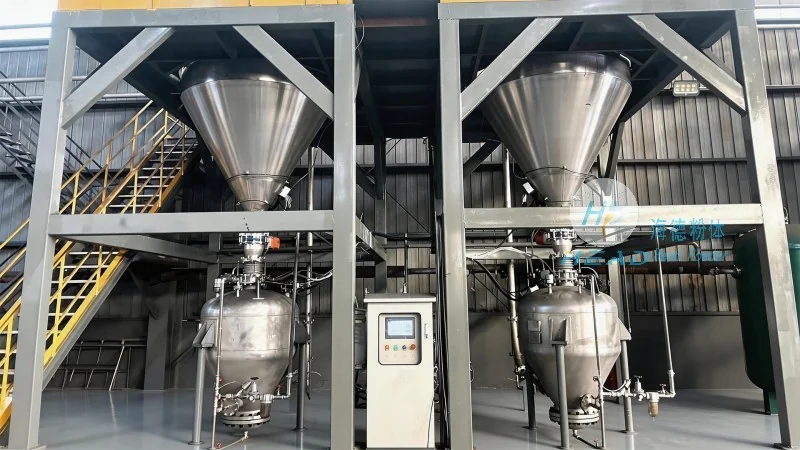
Pneumatic conveying offers several advantages for handling desulfurization gypsum. Unlike traditional methods like belt conveyors or trucks, pneumatic systems provide a closed-loop transport, reducing dust emissions and improving environmental compliance. The enclosed pipeline also prevents material contamination and protects the material from moisture and weather conditions. Furthermore, pneumatic conveying systems can be integrated with other processes, such as storage and processing, creating a seamless material handling workflow. HeadPowder's systems are designed to maximize these benefits, providing efficient, clean, and reliable transport of desulfurization gypsum for various industrial applications.
Conclusion
Several effective solutions exist for pneumatic conveying of desulfurization gypsum, each tailored to specific operational requirements. Whether using positive pressure blower systems, negative pressure vacuum systems, or hybrid configurations, the choice depends on factors like material properties, distance, and throughput. HeadPowder, as a leading manufacturer in the field, offers customized pneumatic conveying solutions that address the unique needs of clients. By leveraging advanced technology and engineering expertise, HeadPowder ensures that desulfurization gypsum is transported efficiently and reliably, supporting the sustainable operation of power plants and industrial facilities.




