HeadPowder, a leading engineering firm based in Shandong, China, specializes in providing innovative solutions for the efficient and reliable transportation of dusty materials. This article explores several key approaches to pneumatic conveying systems, highlighting the technical aspects and practical applications of each method.
Understanding Pneumatic Conveying Systems
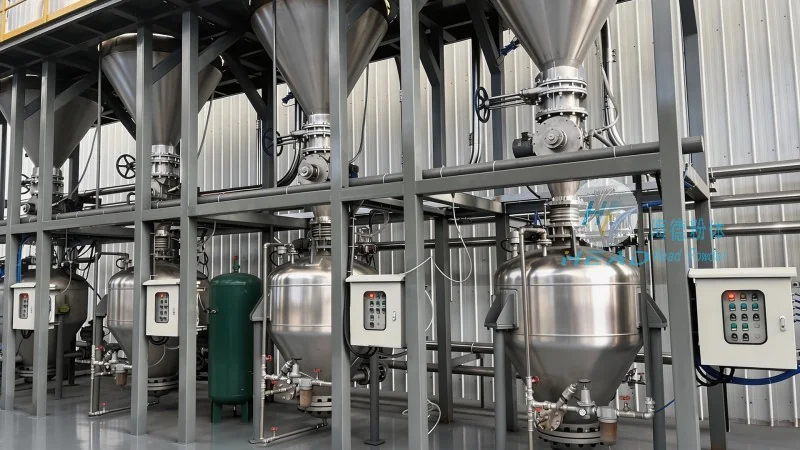
Pneumatic conveying is a method of transporting bulk materials through a pipeline using air or other gases. It is widely used in industries such as mining, construction, and chemical processing due to its ability to handle materials that are difficult to move by traditional means like belt conveyors or trucks. The core principle involves creating a flow of air that carries the material particles through the system, with the choice of system type depending on factors like material properties, distance, and environmental considerations.
Key Pneumatic Conveying Solutions
1. Positive Pressure Conveying Systems
Positive pressure systems operate by blowing air into the pipeline, creating a pressure higher than the ambient air pressure. This method is particularly effective for conveying materials over short to medium distances and is commonly used in applications where the material is non-abrasive and has a relatively low moisture content. The system typically includes a blower, a material feed hopper, and a discharge point, with the air flow continuously moving the material through the pipeline. A key advantage of positive pressure systems is their ability to handle materials with a wide range of particle sizes, making them suitable for diverse industrial applications.
2. Negative Pressure (Vacuum) Conveying Systems
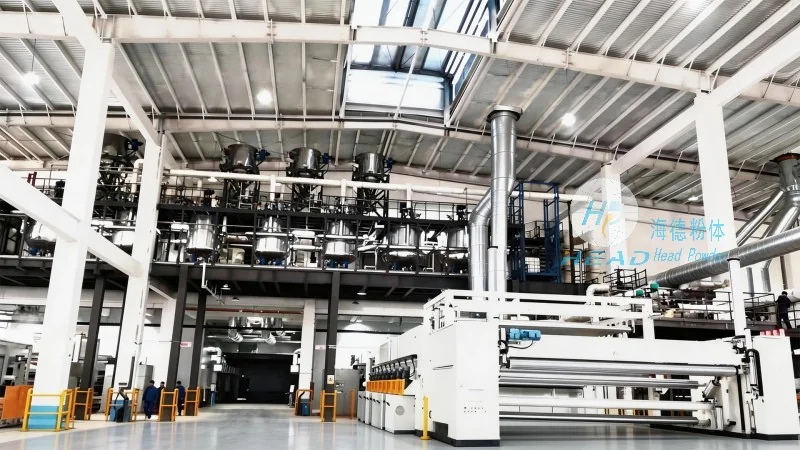
Negative pressure systems, also known as vacuum conveying, work by creating a vacuum in the pipeline, drawing material from the source into the system. This approach is ideal for applications requiring material to be transported from a source to a destination, often over longer distances or where the material is sensitive to pressure changes. The system consists of a vacuum pump, a material feed hopper, and a discharge point, with the vacuum creating a suction force that pulls the material through the pipeline. Negative pressure systems are particularly effective for handling fine powders and granular materials, as they can maintain a consistent flow without causing material degradation or clogging.
3. Mixed-Pressure (Bi-Directional) Conveying Systems
Mixed-pressure or bi-directional systems combine elements of both positive and negative pressure, offering flexibility in material transport. These systems are designed to handle materials that require both blowing and suction capabilities, making them suitable for complex conveying routes or applications where the material flow direction may change. The system typically includes a combination of blowers and vacuum pumps, with control mechanisms that adjust the pressure based on the material's needs. This approach allows for more efficient use of energy and can reduce the overall footprint of the conveying system, making it a cost-effective solution for many industrial settings.
4. High-Pressure Conveying Systems
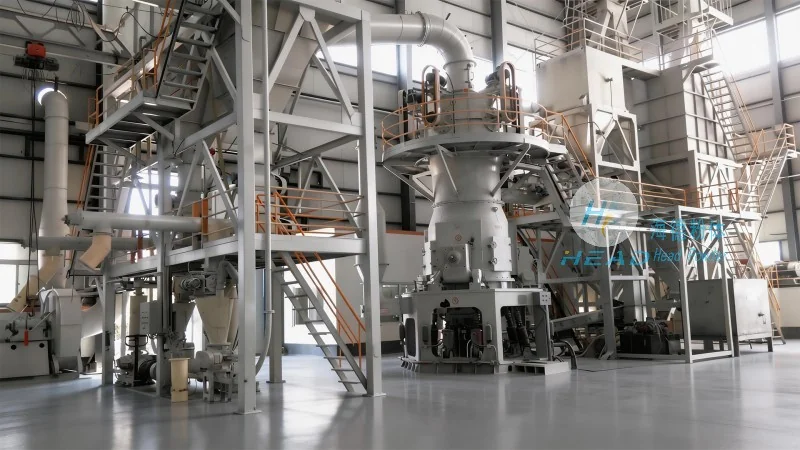
High-pressure pneumatic conveying systems use significantly higher air pressures to transport materials, often over longer distances or with more abrasive materials. These systems are capable of handling materials with higher particle sizes and moisture content, making them suitable for applications such as transporting coal, cement, or other heavy-duty bulk materials. The high-pressure approach involves using powerful blowers or compressors to generate the necessary air flow, with the system designed to withstand the higher pressures and stresses associated with the material being conveyed. While high-pressure systems require more robust equipment and higher energy consumption, they offer superior performance in challenging environments where other methods may be less effective.
Choosing the Right Pneumatic Conveying Solution
The selection of an appropriate pneumatic conveying system depends on several critical factors, including the type of material being transported, the distance and layout of the conveying route, and the specific operational requirements of the facility. HeadPowder, with its extensive experience in engineering and material handling, provides comprehensive assessments and customized solutions tailored to each client's unique needs. By evaluating material properties, such as particle size, density, and moisture content, as well as the required conveying distance and system complexity, our engineers can recommend the most efficient and cost-effective system for the job.
Applications and Benefits
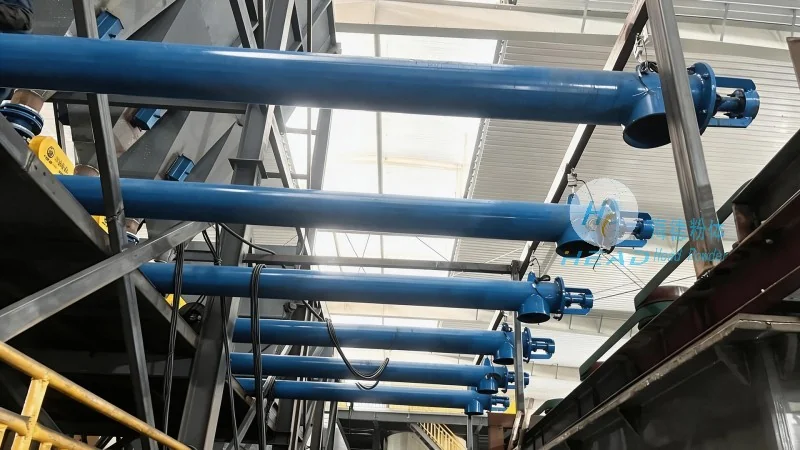
Pneumatic conveying systems offer numerous benefits over traditional material handling methods, including improved safety, reduced labor costs, and enhanced material quality. By eliminating the need for manual handling or mechanical conveyors, these systems minimize the risk of accidents and exposure to hazardous materials. Additionally, the enclosed pipeline design prevents dust emissions and contamination, ensuring compliance with environmental regulations and maintaining a clean working environment. The flexibility of pneumatic conveying allows for easy integration into existing facilities or new construction projects, with the ability to adjust the system parameters to accommodate changes in material flow or operational demands.
Conclusion
HeadPowder Engineering Co., Ltd., based in Shandong, China, is committed to delivering advanced pneumatic conveying solutions that meet the evolving needs of modern industries. By offering a range of system types, from positive to high-pressure designs, our company provides tailored solutions that enhance operational efficiency, reduce costs, and improve safety. Whether for short-distance transport of fine powders or long-distance movement of heavy bulk materials, HeadPowder's expertise ensures that clients receive the most suitable and reliable pneumatic conveying system for their specific applications. Contact us today to learn more about how our solutions can optimize your material handling processes.




