Efficient and reliable material handling is crucial in the processing of rice bran, a byproduct with significant nutritional and industrial value. Pneumatic conveying systems offer a versatile solution for transporting rice bran, ensuring minimal product degradation and operational efficiency. This article explores several effective solutions for pneumatic conveying of rice bran, highlighting the technical approaches and considerations that contribute to optimal performance.
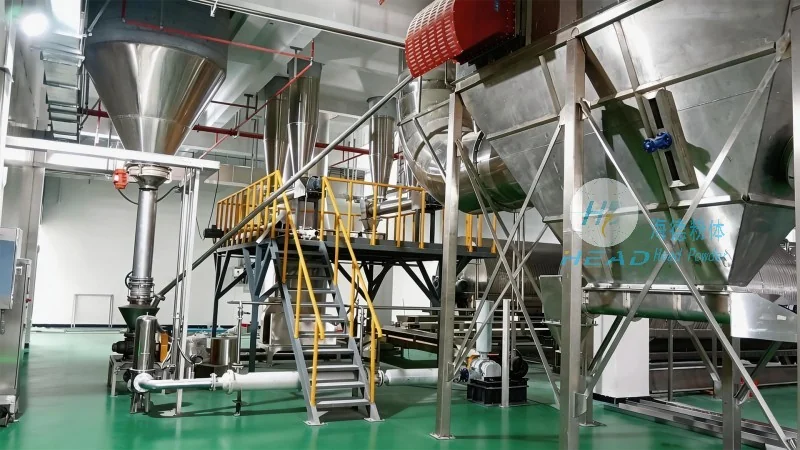
Overview of Pneumatic Conveying Systems for Rice Bran
Pneumatic conveying utilizes air or gas to transport bulk materials like rice bran through a pipeline network. The primary advantage of this method is its ability to handle fine, dusty, or sticky materials without the need for mechanical components that might cause wear or contamination. For rice bran, which is often light and prone to segregation, pneumatic conveying can maintain product integrity while ensuring consistent flow rates. The choice of system depends on factors such as material characteristics, distance, and required capacity.
Positive Pressure Conveying Systems
Positive pressure systems are widely used for rice bran transport due to their ability to handle long distances and varying elevations. In this approach, air is blown into the conveying line, creating a pressure differential that propels the material forward. The system typically includes a blower, a hopper for material storage, and a series of pipelines with appropriate inlets and outlets. For rice bran, which has a relatively low bulk density, positive pressure can effectively maintain flow without excessive air consumption. The design of the hopper and the placement of the air inlet are critical to prevent material bridging and ensure smooth discharge. Additionally, the use of flexible hoses or rigid pipes depends on the application, with rigid systems offering better control over pressure and flow, while flexible options provide greater adaptability in layout.
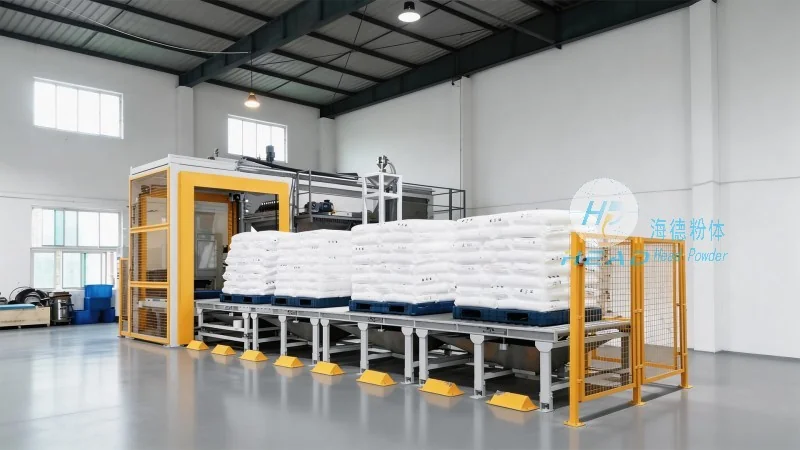
Negative Pressure (Vacuum) Conveying Systems
Negative pressure systems, also known as vacuum conveyors, operate by creating a vacuum in the conveying line to draw material from the source. This method is particularly suitable for applications where the material needs to be transported from a lower to a higher elevation or when the source is located in a confined space. For rice bran, vacuum systems can handle fine particles and prevent dust dispersion, as the material is drawn into the line under negative pressure. The system includes a vacuum pump, a collection hopper, and a filter to remove air contaminants. The filter is essential for maintaining air quality and preventing clogging of the vacuum pump. The design of the inlet and the speed of the vacuum pump are key factors in ensuring consistent material flow. Negative pressure systems are often preferred for short to medium distances and when the material is sensitive to pressure changes or mechanical impact.
Combined Pressure-Vacuum Systems
For complex conveying tasks that involve both horizontal and vertical transport, combined pressure-vacuum systems offer a flexible solution. These systems can switch between positive and negative pressure modes depending on the segment of the pipeline, optimizing energy use and material handling efficiency. In the case of rice bran, a combined system might start with a positive pressure section to move material from the storage hopper to an intermediate point, then switch to a vacuum section to elevate the material to a higher level or transport it to a different location. This approach allows for more efficient use of energy, as the system can adjust the pressure based on the required elevation change. The control system for a combined system must be sophisticated to manage the transitions smoothly, ensuring no material is lost or the system experiences pressure surges. For rice bran, which has a tendency to settle in vertical sections, the combination of pressure and vacuum can help maintain flow by preventing blockages and ensuring consistent air-mass ratios.
Key Considerations for Rice Bran Pneumatic Conveying
When implementing pneumatic conveying for rice bran, several factors must be carefully considered to ensure optimal performance and longevity of the system. Material properties, such as moisture content, particle size distribution, and bulk density, directly impact the conveying efficiency. Rice bran, being a hygroscopic material, may absorb moisture from the air, affecting its flow characteristics and potentially leading to clogging. Therefore, controlling the ambient humidity and using dry air in the system is essential. The air-mass ratio, which is the ratio of air volume to material volume, is a critical parameter that must be optimized for each application. An improper ratio can result in insufficient material transport or excessive air consumption, leading to higher operational costs. Additionally, the design of the conveying line, including the diameter of the pipes and the number of bends, affects the pressure drop and the overall efficiency. Proper maintenance, such as regular cleaning of filters and checking for air leaks, is crucial to prevent system degradation and ensure consistent performance.
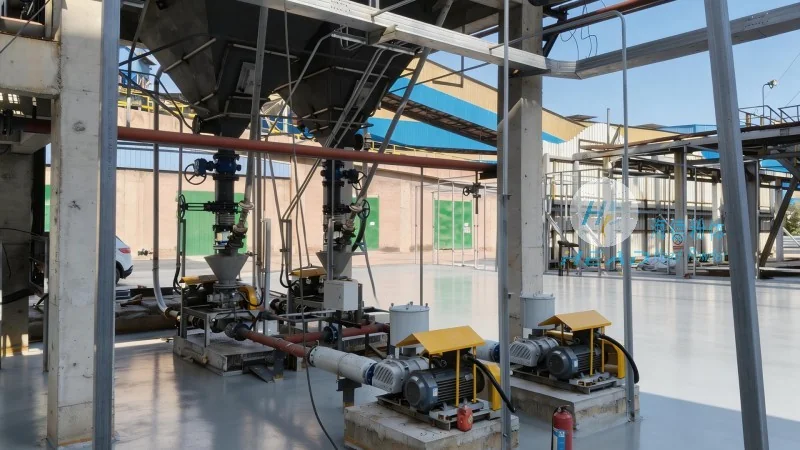
Case Study: Application by Shandong HeadPowder Engineering Co., Ltd.
Shandong HeadPowder Engineering Co., Ltd., a leading provider of material handling solutions, has successfully implemented pneumatic conveying systems for rice bran processing facilities. The company's expertise in designing customized systems has enabled clients to achieve significant improvements in operational efficiency and product quality. For instance, one client, a rice mill, was able to reduce material handling time by 30% and lower energy consumption by optimizing the air-mass ratio in their positive pressure system. The system was tailored to handle the specific characteristics of the rice bran, including its fine particle size and tendency to form agglomerates. HeadPowder's engineers conducted thorough material testing and system simulations to determine the optimal conveying parameters, ensuring the solution met the client's production requirements. The company's commitment to quality and customer satisfaction is reflected in the long-term partnerships it has established with rice processing companies across China.
Conclusion
Pneumatic conveying offers several effective solutions for transporting rice bran, with each system type suited to specific operational needs and material characteristics. Positive pressure systems are ideal for long-distance horizontal transport, while negative pressure systems are better for vertical or confined space applications. Combined systems provide flexibility for complex layouts. Key considerations include material properties, air-mass ratio, and system maintenance. Companies like Shandong HeadPowder Engineering Co., Ltd. play a vital role in designing and implementing these systems, ensuring that rice bran is handled efficiently and with minimal degradation. By selecting the appropriate pneumatic conveying solution and adhering to best practices, rice processing facilities can enhance productivity, reduce costs, and maintain the quality of their rice bran products.




