

What is a Soap Particle Powder Pneumatic Conveying System? And What Are Its Design Principles?
Welcome to Shandong HeadPowder Engineering Co., Ltd., a leading provider of advanced powder handling solutions. In this article, we will delve into the world of soap particle powder pneumatic conveying systems, exploring their functionality and the core design principles that underpin their operation. As a company dedicated to innovation in material handling, HeadPowder specializes in creating efficient systems that meet the demanding needs of various industries.
Introduction to Soap Particle Powder Pneumatic Conveying Systems
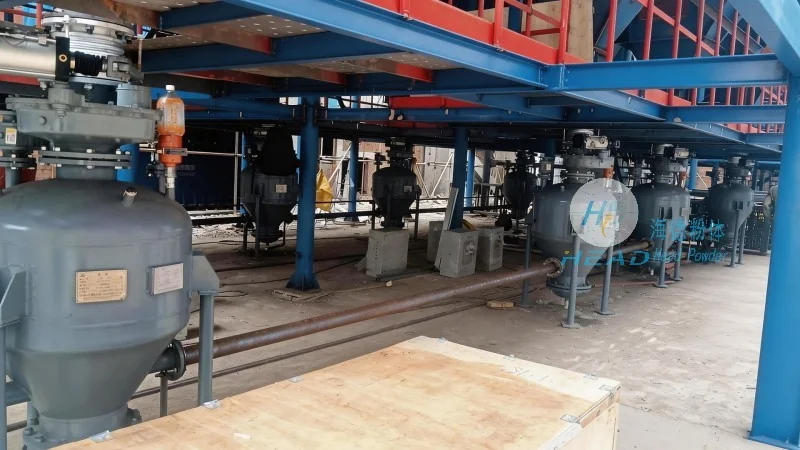
A soap particle powder pneumatic conveying system is a specialized technology used to transport dry powder materials, such as soap particles, through a pipeline using air or gas as the conveying medium. This method offers numerous advantages over traditional mechanical conveying systems, including reduced maintenance, improved safety, and the ability to handle a wide range of powder characteristics. The system typically consists of a hopper for material storage, a feeder to control the flow rate, a conveying line, and a receiver to deposit the material at the destination. The entire process relies on the principles of fluidization and pressure differentials to move the powder efficiently.
Key Components of the System
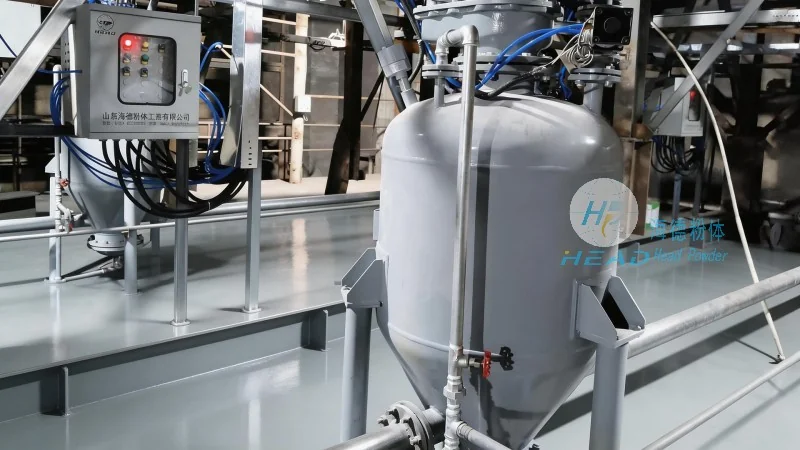
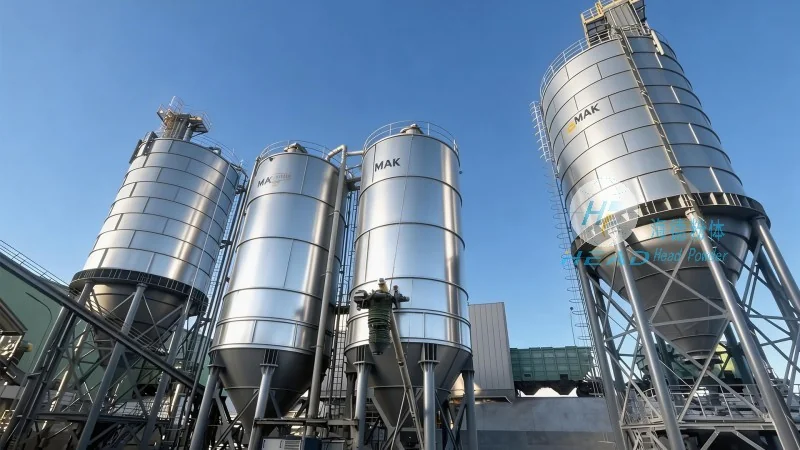
The effectiveness of a soap particle powder pneumatic conveying system is determined by its key components, each playing a critical role in the overall operation. The hopper serves as the primary storage vessel, ensuring a consistent supply of material. It is designed with features like a discharge valve and a level indicator to monitor the material level. The feeder, often a rotary valve or a mass flow meter, regulates the flow rate of the powder, preventing overloading or underloading of the conveying line. The conveying line itself is made of materials resistant to corrosion and abrasion, such as stainless steel or polyethylene, to withstand the abrasive nature of soap particles. The receiver, typically a silo or a storage tank, collects the conveyed material and may include features like a dust collection system to maintain air quality. Additionally, the system may include a blower or a compressor to generate the necessary air pressure, and a filter to remove any fine particles from the exhaust air.
Design Principles for Efficient Operation
The design principles of a soap particle powder pneumatic conveying system are centered around optimizing material flow, minimizing pressure drop, and ensuring system reliability. One of the fundamental principles is the selection of the appropriate air velocity, which must be high enough to keep the powder particles suspended in the air stream but low enough to prevent excessive wear on the pipeline. The system's design also considers the particle size and density of the soap particles, as these factors influence the required air velocity and pressure. For example, finer particles may require higher air velocities to maintain suspension, while larger particles may need higher pressure differentials. Another critical principle is the use of appropriate bends and fittings in the conveying line, as sharp turns can cause particle accumulation and increased pressure drop. The system is also designed with pressure relief valves and safety interlocks to prevent overpressure and ensure safe operation. Furthermore, the integration of a dust collection system is essential to maintain air quality and comply with environmental regulations, especially when handling powders that may be hazardous or have fine particulate matter.
Advantages of Using Pneumatic Conveying Systems for Soap Particles
Implementing a soap particle powder pneumatic conveying system offers several advantages over traditional methods. Firstly, it eliminates the need for mechanical components like conveyors or elevators, reducing maintenance costs and downtime. The system is also more hygienic, as it prevents direct contact between the powder and the environment, which is crucial for soap products that require high standards of cleanliness. Additionally, pneumatic conveying systems can handle powders with varying moisture content and particle sizes, making them versatile for different production processes. The ability to transport materials over long distances without the need for intermediate storage points also streamlines production workflows. Furthermore, the system's compact design allows for installation in limited spaces, making it suitable for facilities with space constraints. The overall efficiency of the system, measured by the power consumption per unit of material conveyed, is typically higher than that of mechanical systems, leading to energy savings over time.
Applications in the Soap Industry
Soap particle powder pneumatic conveying systems are widely used in the soap manufacturing industry for various applications. One common use is in the transportation of raw materials, such as sodium hydroxide or fatty acids, from storage silos to production lines. The system ensures a continuous and controlled supply of these materials, which is essential for maintaining consistent product quality. Another application is the handling of finished soap powders, which are often transported to packaging lines or storage facilities. The system's ability to handle fine powders without segregation or agglomeration is particularly valuable in maintaining the uniformity of the final product. Additionally, the system can be integrated with other processing equipment, such as mixers or granulators, to form a complete production line. The flexibility of the system allows it to adapt to different production scales, from small-scale batch operations to large-scale continuous production. This adaptability makes it a preferred choice for manufacturers looking to optimize their production processes and improve overall efficiency.
Maintenance and Operational Considerations
Proper maintenance is crucial to ensure the long-term performance and reliability of a soap particle powder pneumatic conveying system. Regular inspections of the hopper, feeder, and conveying line are necessary to check for wear and tear, especially in areas exposed to abrasive particles. The blower or compressor should be checked for proper air pressure and flow rate, as any deviations can affect the system's efficiency. The filter system should be cleaned or replaced regularly to prevent clogging and maintain air quality. Additionally, the system's control system, including sensors and valves, should be calibrated periodically to ensure accurate operation. Proper training of operators is also essential to prevent misuse or accidents. By following a regular maintenance schedule and adhering to operational guidelines, the system can operate efficiently for many years, providing reliable service to the soap manufacturing industry.
Conclusion
In conclusion, a soap particle powder pneumatic conveying system is a sophisticated and efficient solution for transporting dry powder materials in the soap industry. The system's design principles, which focus on fluidization, pressure differentials, and material characteristics, ensure optimal performance and reliability. With its numerous advantages, including reduced maintenance, improved hygiene, and versatility, the system has become a standard in modern soap manufacturing. As a leader in the field, Shandong HeadPowder Engineering Co., Ltd. continues to innovate and provide high-quality powder handling solutions that meet the evolving needs of the industry. By understanding the design principles and operational considerations of such systems, manufacturers can make informed decisions to enhance their production processes and achieve greater efficiency.