

Spices Powder Pneumatic Conveying System: What It Is and Its Design Principles
Spices powder pneumatic conveying systems are specialized equipment designed to transport fine powder materials, such as spices, through a pressurized or vacuum environment. These systems are critical in the food processing industry, ensuring efficient and hygienic movement of spices from storage to processing lines. The design of such systems involves careful consideration of material properties, system pressure, and operational efficiency to meet the demands of modern spice processing.
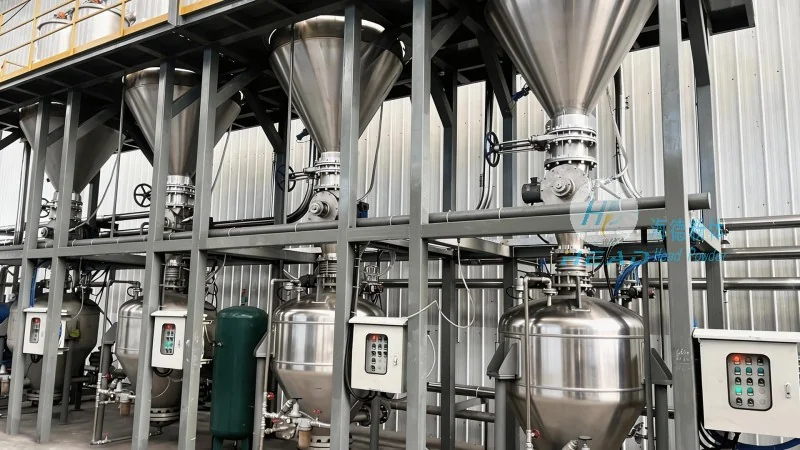
HeadPowder, a leading manufacturer based in Shandong, China, specializes in developing customized pneumatic conveying solutions tailored to the unique needs of spice manufacturers. Their systems are engineered to handle the delicate nature of spices while maintaining product integrity and compliance with industry standards. The company’s expertise lies in integrating advanced technology with practical design to deliver reliable and efficient conveying solutions.
Components of a Spices Powder Pneumatic Conveying System
A typical spices powder pneumatic conveying system consists of several key components that work in tandem to ensure smooth material transport. These include the hopper or storage bin, which holds the spice powder; the conveying line, which can be either positive pressure or negative pressure; the air compressor or vacuum pump, which provides the necessary pressure or suction; and the control system, which regulates the flow and pressure. Each component plays a crucial role in the overall performance and reliability of the system.
The hopper is designed to store the spice powder and feed it into the conveying line. It often includes a feeder, such as a rotary valve or a screw feeder, to control the flow rate of the material. The conveying line, made of materials like stainless steel or food-grade plastic, is chosen based on the compatibility with the spice powder and the required pressure or vacuum levels. The air compressor or vacuum pump generates the pressure or suction needed to move the powder through the line. The control system monitors and adjusts the system parameters to maintain optimal performance and prevent issues like blockages or pressure fluctuations.
Working Principle of Pneumatic Conveying
The fundamental principle behind pneumatic conveying is the use of air to transport solid particles. In a positive pressure system, compressed air is introduced into the conveying line, creating a pressure differential that pushes the powder from the hopper to the destination. The air and powder mixture travels through the line, with the air providing the necessary force to overcome the resistance of the powder particles. In a negative pressure system, a vacuum pump creates a low-pressure environment that draws the powder from the source into the line. Both systems rely on the interaction between the air flow and the powder particles to achieve efficient transport.
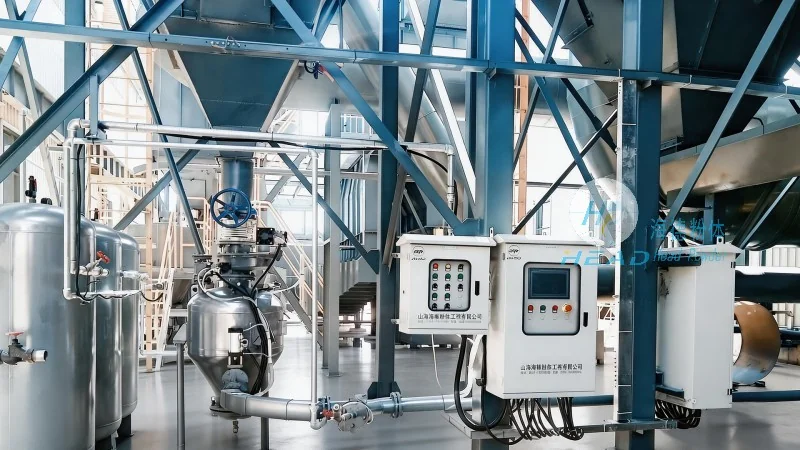
For spices, the choice between positive and negative pressure depends on factors such as the powder's density, moisture content, and flowability. Positive pressure systems are often preferred for handling fine, dry spices as they provide better control over the flow and reduce the risk of product degradation. Negative pressure systems, on the other hand, are suitable for materials that are more prone to dust or require a cleaner environment. The design of the system must account for these factors to ensure effective and safe operation.
Design Principles for Optimal Performance
The design of a spices powder pneumatic conveying system involves several key principles aimed at maximizing efficiency, minimizing product loss, and ensuring long-term reliability. One of the primary considerations is the selection of the appropriate conveying method based on the material's characteristics. For example, dense and cohesive spices may require a higher pressure system or a different type of feeder to ensure smooth flow. The system's layout, including the length and diameter of the conveying line, is also critical. Longer lines may require additional boosters or larger diameter pipes to maintain sufficient pressure and prevent material degradation.
HeadPowder engineers carefully evaluate the specific requirements of each spice processing facility to design a system that meets both operational and regulatory standards. They consider factors such as the desired conveying capacity, the distance between the source and destination, and the need for cleaning and maintenance. The company’s design process includes detailed calculations of air flow rates, pressure drops, and material velocity to ensure the system operates within optimal parameters. This approach results in systems that are not only efficient but also cost-effective and easy to maintain.
Benefits of Using a Pneumatic Conveying System for Spices
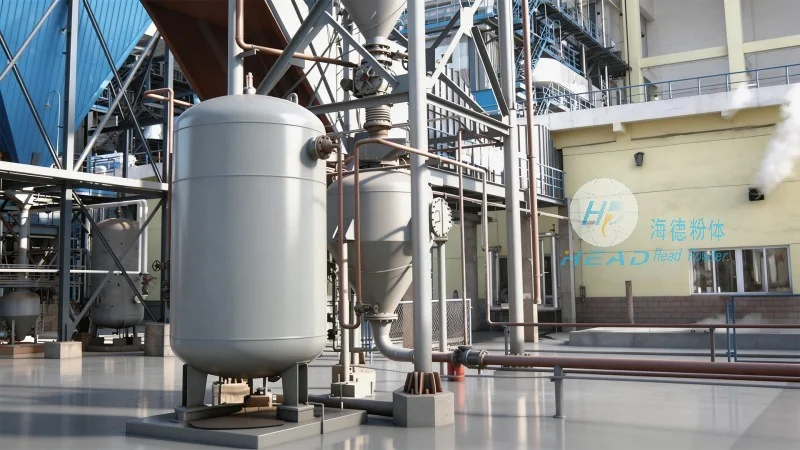
Implementing a pneumatic conveying system for spices offers numerous benefits that enhance the overall efficiency and quality of the processing operation. One of the key advantages is the ability to maintain product integrity. Unlike mechanical conveyors, which can cause abrasion or contamination, pneumatic systems use air to transport the powder, minimizing the risk of product degradation. This is particularly important for spices, which are sensitive to moisture, temperature, and physical damage.
Another significant benefit is the improved hygiene and safety. Pneumatic systems are enclosed, reducing the risk of dust exposure and cross-contamination. This is crucial in food processing environments where maintaining a clean and safe workspace is paramount. Additionally, the systems can be designed with easy-to-clean components, making them compliant with food safety regulations. HeadPowder’s systems are built with stainless steel and food-grade materials, ensuring they meet the highest standards of hygiene and safety.
Efficiency is another major advantage. Pneumatic conveying systems can transport large quantities of spices quickly and continuously, reducing labor costs and increasing production throughput. The systems can be integrated with other processing equipment, such as mixers or blenders, to create a seamless production line. This integration minimizes downtime and improves overall operational efficiency. HeadPowder’s customized solutions are designed to fit seamlessly into existing production processes, providing a smooth transition to pneumatic conveying.
Customization and Maintenance
HeadPowder understands that each spice processing facility has unique requirements, which is why they offer customized pneumatic conveying systems. The company works closely with clients to understand their specific needs, including the type of spices, production volume, and operational constraints. Based on this information, they design a system that is tailored to the client's needs, ensuring optimal performance and minimal downtime. The customization process includes selecting the appropriate components, such as the hopper, feeder, and conveying line, and configuring the control system to meet the client's specifications.