

What is a Brown Sugar Powder Pneumatic Conveying System? And What Are Its Design Principles?
Pneumatic conveying systems are widely used in the food processing industry, particularly for handling fine powders like brown sugar. These systems offer an efficient and hygienic method for transporting bulk materials without direct contact with mechanical components. For businesses dealing with brown sugar, understanding the fundamentals of such systems is crucial for optimizing production processes and maintaining product quality. This article explores the concept of a brown sugar powder pneumatic conveying system, its design principles, and the key factors that contribute to its effectiveness.
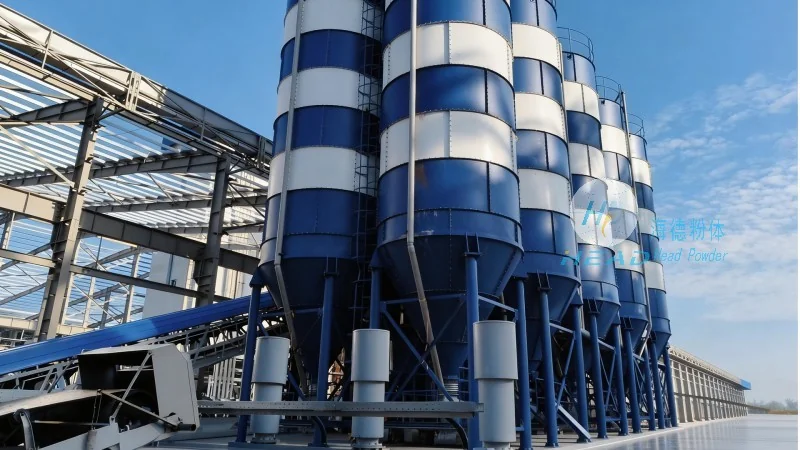
What is a Pneumatic Conveying System for Brown Sugar Powder?
A pneumatic conveying system for brown sugar powder is a mechanical system that uses compressed air to transport dry, granular, or powdered materials through a pipeline. Unlike traditional belt or screw conveyors, pneumatic systems eliminate the need for physical contact between the material and the conveying equipment, which is especially important for food-grade products like brown sugar. The system typically consists of a hopper, a blower or compressor, a pipeline network, and a discharge point. The brown sugar powder is fed into the hopper, and as compressed air is introduced, it creates a flow that moves the powder through the pipeline to the desired location. This method ensures that the product remains uncontaminated and retains its quality throughout the conveying process.
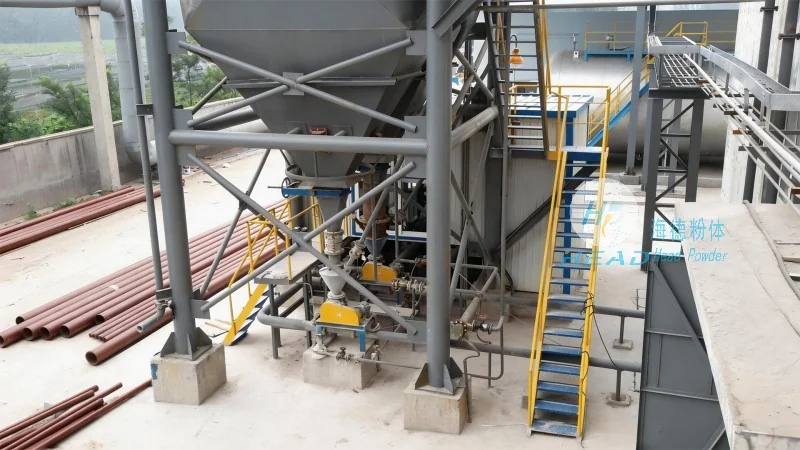
Key Design Principles of the System
The design of a brown sugar powder pneumatic conveying system is based on several critical principles to ensure efficient and reliable operation. The first principle is the selection of appropriate air velocity and pressure. The air velocity must be high enough to overcome the resistance of the powder particles in the pipeline but not so high as to cause excessive wear or particle degradation. The pressure is typically maintained at a level that ensures consistent flow without damaging the material. Another key principle is the design of the hopper and feeder. The hopper must be designed to minimize the formation of arches or ratholes, which can block the flow of powder. A well-designed feeder, such as a rotary valve or a star feeder, ensures a steady and controlled discharge of the brown sugar powder into the pipeline. The pipeline layout is also crucial; it should be as short and direct as possible to minimize pressure drop and energy consumption. Additionally, the system must be constructed from materials that are compatible with food-grade standards, such as stainless steel, to prevent contamination and ensure easy cleaning.
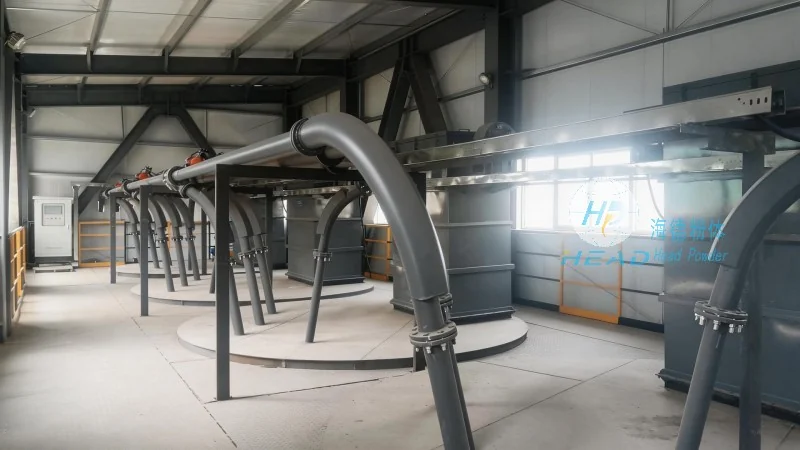
Components and Their Functions
Several components work together to make a brown sugar powder pneumatic conveying system functional. The first component is the hopper, which serves as the storage and feeding unit. It is designed to hold a sufficient quantity of brown sugar powder and provide a consistent flow to the system. The second component is the blower or compressor, which generates the compressed air needed to move the powder. The choice between a blower and a compressor depends on the system's requirements, with blowers being more common for low-pressure applications and compressors for high-pressure needs. The third component is the pipeline network, which consists of pipes of varying diameters and lengths. The diameter of the pipe is selected based on the flow rate and particle size of the brown sugar powder, while the length is determined by the distance the powder needs to travel. The fourth component is the discharge point, which is where the brown sugar powder is released from the system. This point is often equipped with a filter or cyclone to separate any air from the powder and prevent dust from escaping into the environment. Each component plays a vital role in the overall performance of the system, and their proper selection and integration are essential for optimal operation.
Advantages of Using This System
Implementing a pneumatic conveying system for brown sugar powder offers several advantages over traditional conveying methods. The most significant advantage is the hygienic nature of the system. Since the powder is not in direct contact with mechanical parts, there is minimal risk of contamination from equipment or human handling. This is critical for food products, as it helps maintain compliance with food safety regulations. Another advantage is the efficiency of the system. Pneumatic conveying can handle large volumes of brown sugar powder quickly and with minimal energy consumption compared to other methods. The system also reduces labor costs, as it requires less manual handling and can operate continuously without frequent maintenance. Additionally, the system is flexible and can be easily integrated into existing production lines. It can be adjusted to handle different flow rates and can be extended to cover new areas as production needs change. The system also reduces product degradation, as the lack of mechanical friction and impact helps preserve the quality and flavor of the brown sugar. Overall, the advantages of a pneumatic conveying system make it a preferred choice for many food processing companies dealing with brown sugar.
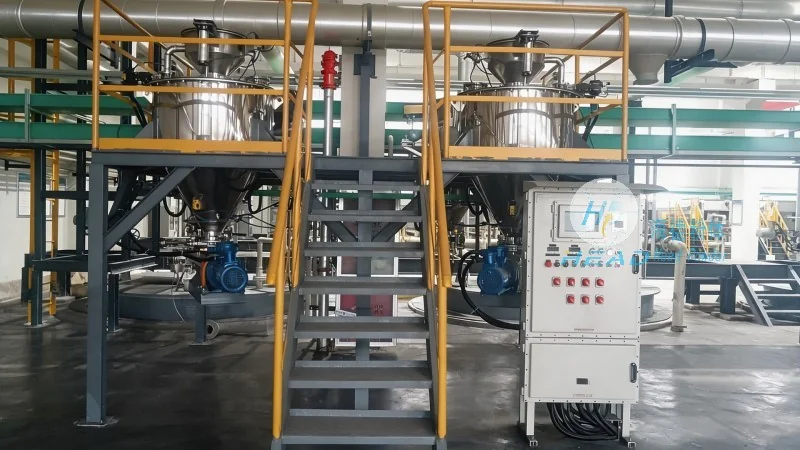
Application Scenarios in the Industry
The brown sugar powder pneumatic conveying system is widely used in various applications within the food processing industry. One common application is in sugar refineries, where brown sugar is transported from storage silos to processing lines. The system ensures that the sugar is moved efficiently and without contamination, which is essential for maintaining the quality of the final product. Another application is in confectionery factories, where brown sugar is used as an ingredient in the production of candies, chocolates, and other sweets. The pneumatic system allows for precise and consistent delivery of the sugar to mixing and processing equipment, ensuring uniform product quality. Additionally, the system is used in food packaging facilities, where brown sugar is transferred from bulk storage to packaging machines. The hygienic and efficient nature of the system helps maintain the integrity of the product during the packaging process. In all these applications, the system plays a crucial role in streamlining operations and improving overall productivity.