

What is a Colored Sand Powder Pneumatic Conveying System? And What Are Its Design Principles?
The colored sand powder pneumatic conveying system is a specialized industrial solution designed to transport colored sand powders efficiently and reliably. This system is widely used in various industries, particularly those that require the handling of fine, dry powders with consistent color and quality. Understanding the system's components and design principles is crucial for optimizing performance and ensuring long-term operational efficiency.
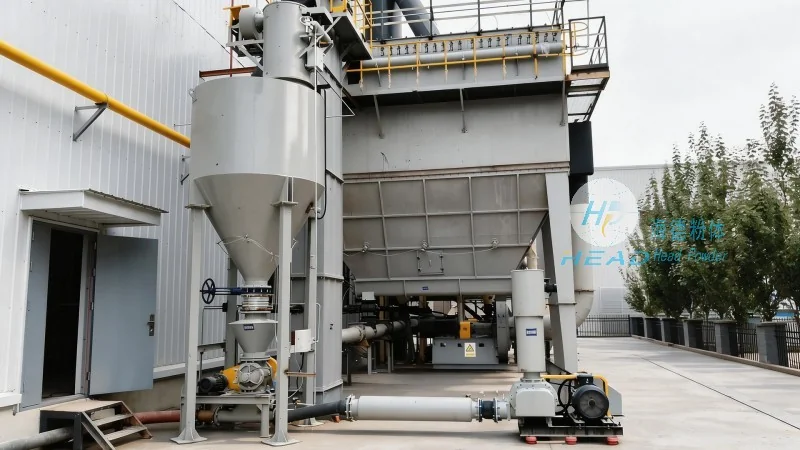
What is a Colored Sand Powder Pneumatic Conveying System?
A colored sand powder pneumatic conveying system is a mechanical system that uses compressed air or other gases to transport colored sand powders from one location to another. Unlike traditional bulk material handling methods such as conveyor belts or bucket elevators, this system relies on the principles of fluidization and pneumatic transport to move the material through a pipeline network. The system typically consists of a hopper for material storage, a feeder to control the flow rate, a conveying line, and a receiver to collect the material at the destination.
Key Components of the System
Several key components work together to ensure the smooth operation of the colored sand powder pneumatic conveying system. The first component is the material hopper, which is used to store the colored sand powder. The hopper is designed to prevent material bridging and ensure a consistent flow of material into the system. The second component is the feeder, which controls the flow rate of the material into the conveying line. The feeder can be a rotary valve, a screw feeder, or a vibratory feeder, depending on the specific requirements of the application. The third component is the conveying line, which is made of materials such as stainless steel or plastic to prevent corrosion and ensure durability. The line is equipped with bends, elbows, and other fittings to direct the material flow. The fourth component is the air compressor, which provides the necessary pressure to move the material through the line. The fifth component is the receiver, which collects the material at the destination and allows for easy discharge.
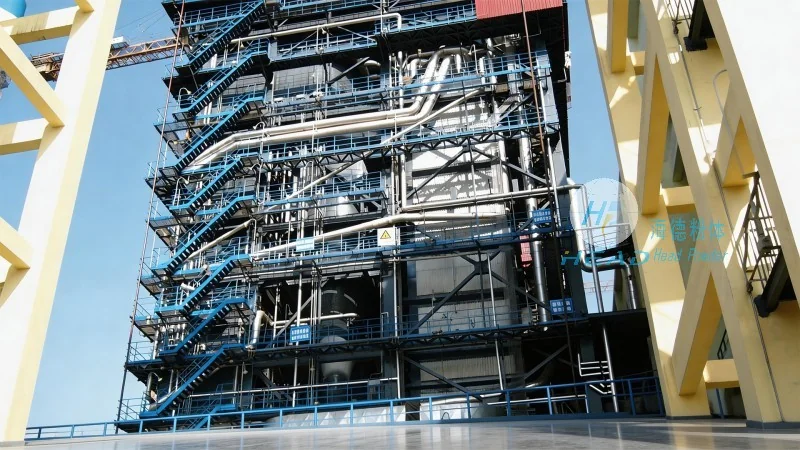
Design Principles for Efficient Operation
The design of a colored sand powder pneumatic conveying system follows several key principles to ensure efficient operation. The first principle is the selection of the appropriate conveying velocity. The velocity must be high enough to prevent material settling and blockages but low enough to avoid excessive wear on the system components. The second principle is the proper sizing of the conveying line. The line diameter and length must be optimized to minimize pressure drop and energy consumption. The third principle is the use of appropriate fittings and bends. The use of smooth bends and gradual transitions helps to reduce pressure losses and prevent material degradation. The fourth principle is the control of material flow rate. The feeder must be properly calibrated to maintain a consistent flow rate, which helps to prevent overloading the system and ensure smooth operation. The fifth principle is the maintenance of system cleanliness. Regular cleaning and maintenance of the system components are essential to prevent material buildup and ensure the longevity of the system.
How the System Works: A Step-by-Step Overview
The operation of a colored sand powder pneumatic conveying system involves several steps. The first step is the loading of the colored sand powder into the material hopper. The hopper is typically equipped with a lid to prevent contamination and a level indicator to monitor the material level. The second step is the start of the feeder, which controls the flow rate of the material into the conveying line. The third step is the activation of the air compressor, which provides the necessary pressure to move the material through the line. The compressed air is introduced into the conveying line at the hopper end, creating a flow of air and material. The fourth step is the transport of the material through the conveying line. The material is carried by the air flow and moves through the line to the receiver. The fifth step is the collection of the material at the receiver. The receiver is typically equipped with a discharge valve to allow for easy collection of the material. The sixth step is the termination of the system operation. The feeder and air compressor are turned off, and the system is allowed to cool down before maintenance or cleaning.
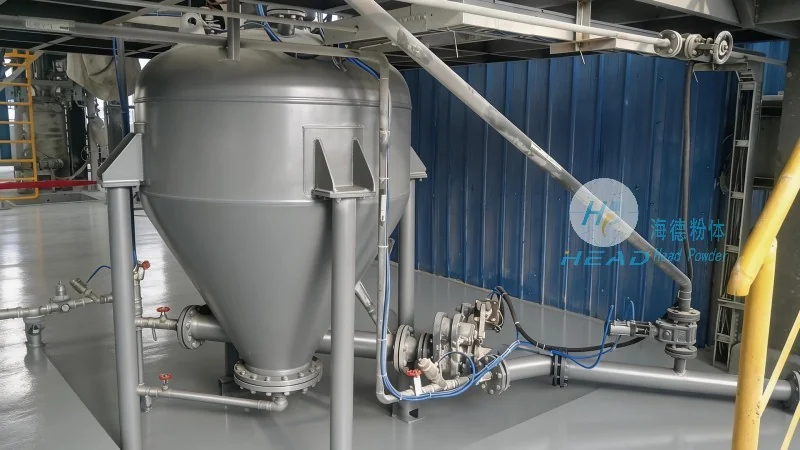
Advantages of Using a Pneumatic Conveying System for Colored Sand
There are several advantages to using a pneumatic conveying system for colored sand powders. The first advantage is the high efficiency of material transport. The system can transport large quantities of material over long distances with minimal energy consumption. The second advantage is the ability to handle fine powders. The system can transport powders with particle sizes as small as 10 microns without clogging the line. The third advantage is the prevention of material contamination. The system is enclosed, which prevents the material from coming into contact with the environment and ensures that the material remains clean and free from contaminants. The fourth advantage is the flexibility of the system. The system can be easily modified to accommodate different material types and flow rates. The fifth advantage is the low maintenance requirements. The system components are designed to be durable and require minimal maintenance, which reduces downtime and operating costs.
Application Scenarios and Industries
The colored sand powder pneumatic conveying system is used in a variety of industries and application scenarios. The first industry is the construction industry, where colored sand is used for decorative purposes in concrete and mortar. The second industry is the glass manufacturing industry, where colored sand is used as a raw material for glass production. The third industry is the paint and coating industry, where colored sand is used as a pigment in various products. The fourth industry is the ceramics industry, where colored sand is used as a raw material for ceramic production. The fifth industry is the pharmaceutical industry, where colored sand is used as a filler in various products. The sixth industry is the food industry, where colored sand is used as a coloring agent in various food products.