

What is a Ton Bag Unpacking Powder Pneumatic Conveying System? And What Are Its Design Principles?
This article provides an in-depth exploration of ton bag unpacking and powder pneumatic conveying systems, focusing on their functionality, design principles, and the role they play in efficient material handling. The system is designed to streamline the process of transferring bulk powders from ton bags into a processing or storage environment, leveraging pneumatic technology to achieve seamless material movement. As a key component in industrial material handling, this system enhances operational efficiency by automating the unpacking and conveying of powders, reducing manual labor and minimizing material loss.
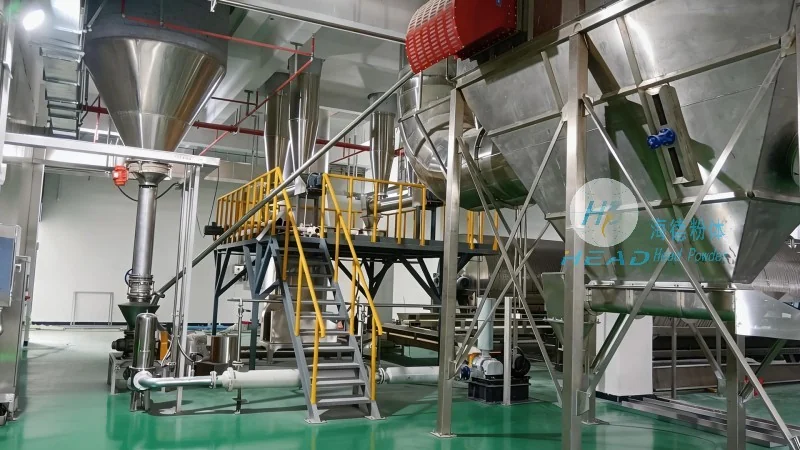
About HeadPowder: The Company Behind the Technology
HeadPowder, formally known as Shandong HeadPowder Engineering Co., Ltd., is a leading provider of advanced material handling solutions. With a base in Shandong, China, the company specializes in designing and manufacturing systems that optimize the flow of bulk materials, including powders, granules, and other particulate substances. HeadPowder's expertise lies in creating customized solutions tailored to the specific needs of various industries, ensuring that clients receive systems that are both efficient and reliable. The company's commitment to innovation and quality has established it as a trusted partner in the material handling sector.
Understanding Ton Bag Unpacking
Ton bags, also known as super sacks or bulk bags, are widely used for the storage and transportation of bulk materials due to their capacity and cost-effectiveness. However, the process of unpacking these bags manually can be labor-intensive and time-consuming. The ton bag unpacking component of the pneumatic conveying system addresses this challenge by automating the opening and emptying of the bag. This typically involves mechanisms such as bag openers, which may use hydraulic or mechanical force to cut or tear the bag's top, followed by a hopper or chute that guides the material into the conveying system. The automation of this step not only improves efficiency but also enhances safety by reducing the risk of manual handling of heavy or potentially hazardous bags.
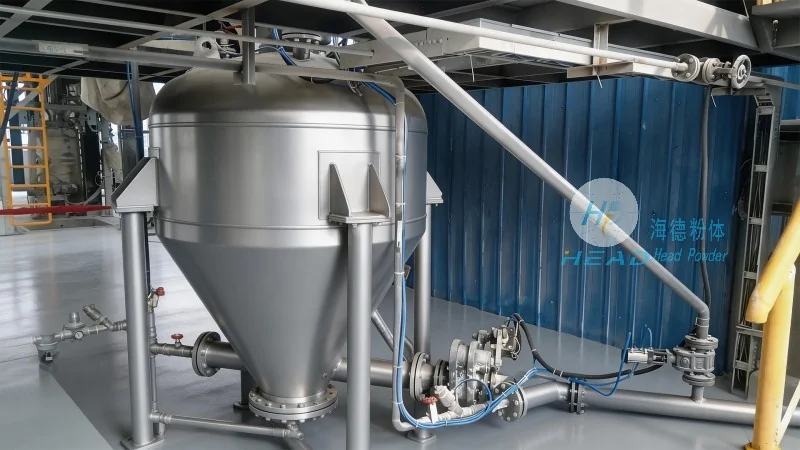
Pneumatic Conveying: The Core of the System
Pneumatic conveying is a method of transporting bulk materials using a gas, usually air, to move the material through a pipeline. In the context of ton bag unpacking systems, this technology is employed to transfer the material from the bag to a storage silo, processing equipment, or other destinations. The system consists of several key components, including a blower or air compressor to generate the necessary air pressure, a hopper to collect the material from the ton bag, a conveying line (often with bends and filters), and a receiver or discharge point where the material is deposited. The design of the conveying system is critical to ensure that the material is transported efficiently without causing blockages or degradation. Factors such as material characteristics (e.g., particle size, density, and flowability), the length and layout of the conveying line, and the air pressure and flow rate are all carefully considered during the design phase.
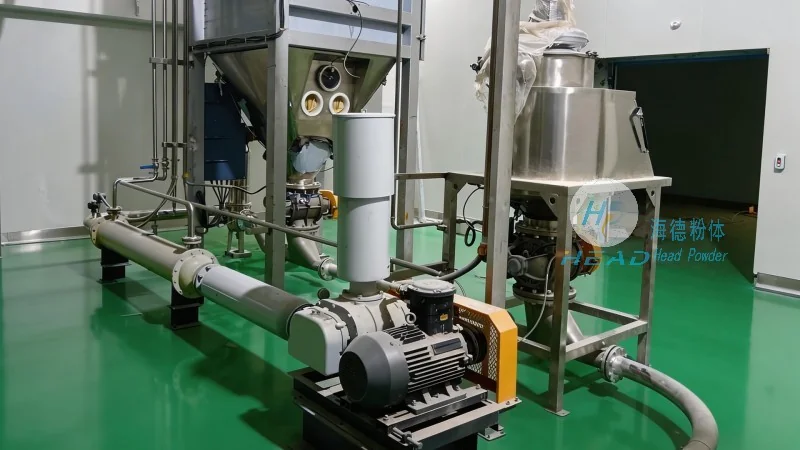
Design Principles of the System
The design of a ton bag unpacking and powder pneumatic conveying system follows several fundamental principles aimed at maximizing efficiency, reliability, and safety. First, the system must be tailored to the specific properties of the material being handled. This includes considering the material's flowability, moisture content, and potential for dust generation, as these factors can impact the conveying process. Second, the system is designed to minimize material loss and contamination. This is achieved through the use of sealed components, proper filtration, and the prevention of air leaks. Third, the system is built for durability and ease of maintenance. High-quality materials are used for components that are exposed to wear and tear, and the design allows for easy access to parts for cleaning and repair. Fourth, the system is optimized for energy efficiency. The blower or compressor is sized appropriately to provide the necessary air pressure without excessive energy consumption. Finally, the system is designed with safety in mind, incorporating features such as pressure relief valves, emergency shut-off mechanisms, and proper ventilation to protect operators and the environment.
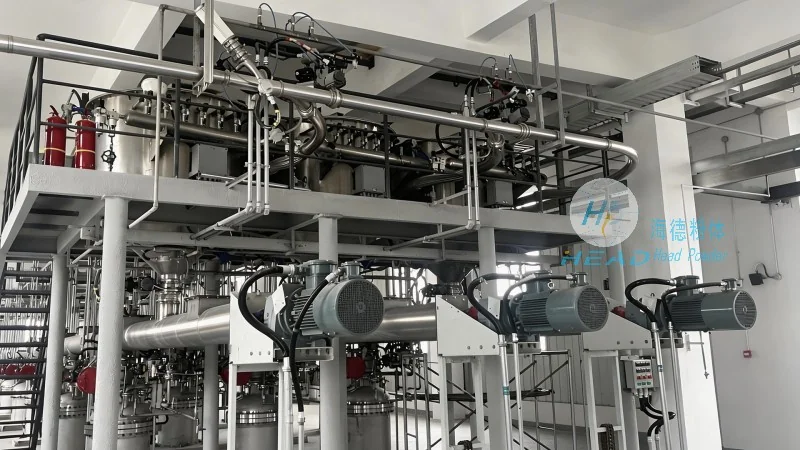
Key Components and Their Functions
Several key components work together to ensure the smooth operation of the ton bag unpacking and pneumatic conveying system. The first component is the ton bag opener, which is responsible for opening the bag and allowing the material to flow into the hopper. This component may use a variety of mechanisms, such as hydraulic cutting, mechanical tearing, or pneumatic inflation, depending on the bag material and the material being handled. The second component is the hopper or receiving chamber, which collects the material from the bag and feeds it into the conveying line. The hopper is typically designed with a sloped bottom to facilitate the flow of material and prevent clogging. The third component is the blower or air compressor, which generates the air pressure needed to move the material through the pipeline. The blower is usually sized to provide sufficient air volume and pressure to overcome the resistance in the conveying line and to maintain the material in suspension. The fourth component is the conveying line, which consists of pipes with appropriate diameters and bends to guide the material. The line may include filters or cyclones to remove dust and prevent blockages. The fifth component is the receiver or discharge point, where the material is deposited. This may be a storage silo, a processing vessel, or a transfer point to another system. Each component is carefully selected and integrated to ensure that the system operates efficiently and reliably.
Applications and Benefits
The ton bag unpacking and powder pneumatic conveying system is widely used in various industries, including food and beverage, pharmaceuticals, chemicals, and minerals processing. In the food industry, for example, the system is used to handle powders such as flour, sugar, and spices, ensuring that the material is transferred without contamination and with minimal loss. In the pharmaceutical industry, the system is used to handle active pharmaceutical ingredients (APIs) and other sensitive materials, where cleanliness and contamination control are critical. The benefits of this system include increased efficiency, reduced labor costs, improved safety, and enhanced product quality. By automating the unpacking and conveying process, the system allows for faster material handling, which can lead to increased production rates. The reduction in manual labor also minimizes the risk of human error and accidents. Additionally, the system helps to maintain the quality of the material by preventing contamination and reducing material loss. Overall, the ton bag unpacking and powder pneumatic conveying system is an essential tool for industries that handle bulk powders, providing a reliable and efficient solution for material handling.