Principle and Working Scene Characteristics of Glutinous Rice Flour Material Handling Equipment
Release time:2026-09-19 11:01:31
name of the company:Shandong Headpowder Engineering Co., Ltd.
telephone:156-6277-7102
contacts:Zhang manager
Glutinous rice flour is a vital component in numerous traditional and contemporary food products, and the efficient handling of this material is essential for maintaining product quality and operational efficiency in food processing facilities. The equipment designed for transporting glutinous rice flour must address unique challenges such as its fine particle size, hygroscopic properties, and the need for gentle handling to prevent clumping or degradation. This article delves into the fundamental principles behind the operation of glutinous rice flour material handling equipment and outlines the key characteristics of its working environments.
Principle of Glutinous Rice Flour Material Handling Equipment
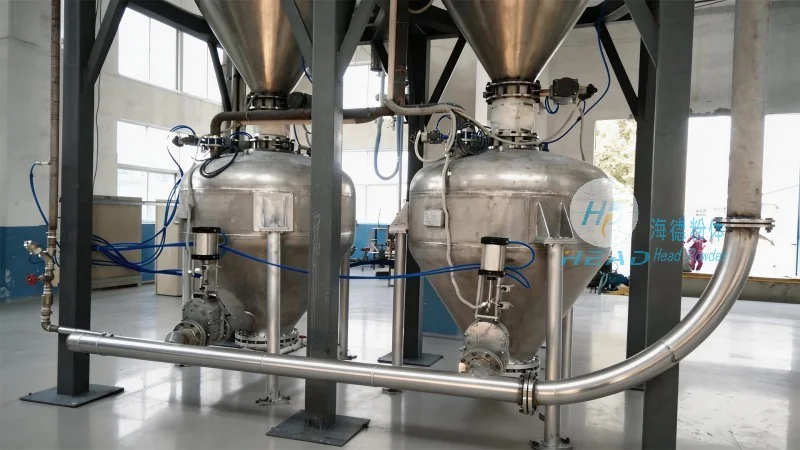
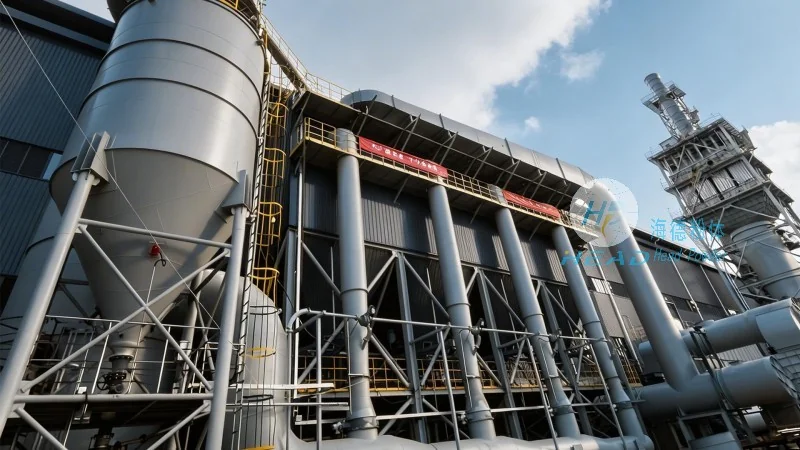
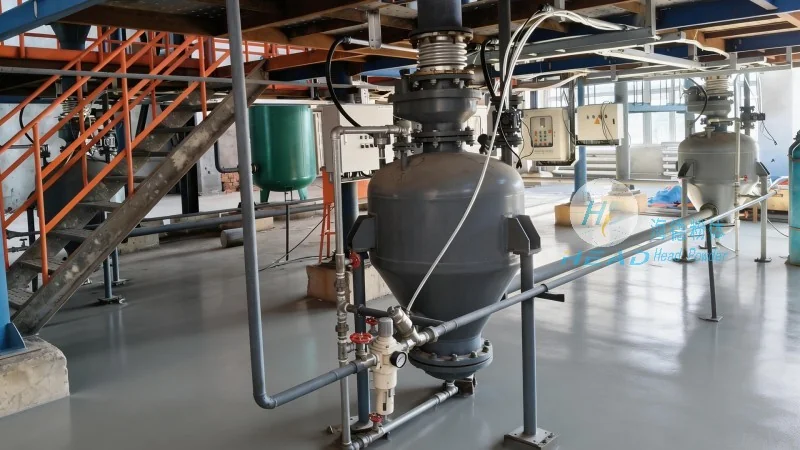
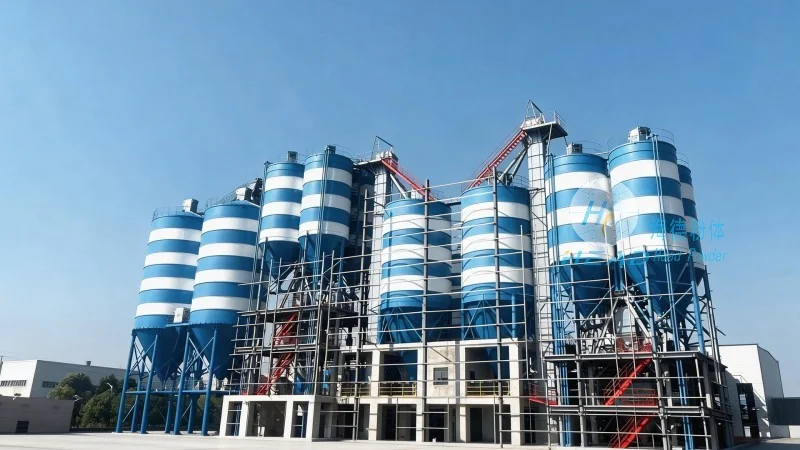
The core principle of glutinous rice flour material handling equipment centers on the use of specialized mechanisms to move the flour from storage to processing areas while preserving its quality. These systems typically consist of feeders, conveyors, and storage silos, each engineered to handle the specific attributes of glutinous rice flour. Feeders are often equipped with adjustable speed controls to regulate the flow rate, preventing overloading and ensuring a consistent feed to downstream processes. Conveyors may utilize flexible or enclosed designs to minimize dust generation and maintain hygiene standards, which are critical in food processing environments. Storage silos are fitted with aeration systems to control moisture levels, as glutinous rice flour is highly susceptible to moisture absorption, which can lead to caking and spoilage. The overall system is designed to be modular and scalable, allowing for seamless integration into existing production lines or expansion as production needs evolve. Manufactured by Shandong HeadPowder Engineering Co., Ltd., this equipment combines advanced engineering with food-grade materials to ensure reliability and performance.
Working Scene Characteristics of Glutinous Rice Flour Material Handling Equipment
The working environments where glutinous rice flour material handling equipment operates exhibit distinct characteristics that influence equipment design and performance. These environments are predominantly found in food processing facilities, particularly in the manufacturing of traditional Chinese foods like rice cakes, dumplings, and sweet pastries. Key characteristics include stringent hygiene standards, as the equipment must comply with food safety regulations such as those from the FDA or EU. This necessitates stainless steel construction, easy-to-clean surfaces, and sealed components to prevent contamination. Additionally, the working environment may involve high ambient temperatures, especially in regions with warm climates, which requires cooling systems or heat-resistant materials to maintain optimal operating conditions. The equipment is also integrated with other production machinery, such as mixers, extruders, and packaging lines, requiring precise synchronization and control systems to ensure smooth workflow. Another critical characteristic is dust control, as fine flour particles can create airborne dust that poses health risks and necessitates proper ventilation and filtration systems. The working scene also involves regular maintenance and cleaning schedules to prevent the buildup of flour residue, which can affect equipment performance and product quality.




