Manganese silicate is a vital industrial material utilized across diverse sectors including battery production, steel manufacturing, and chemical processing. The efficient handling and transportation of this material are fundamental to maintaining production efficiency and ensuring product quality. This article explores the core principles of manganese silicate material handling and examines the key characteristics of its working scenarios, offering insights into practical applications and operational strategies.
Principles of Manganese Silicate Material Handling
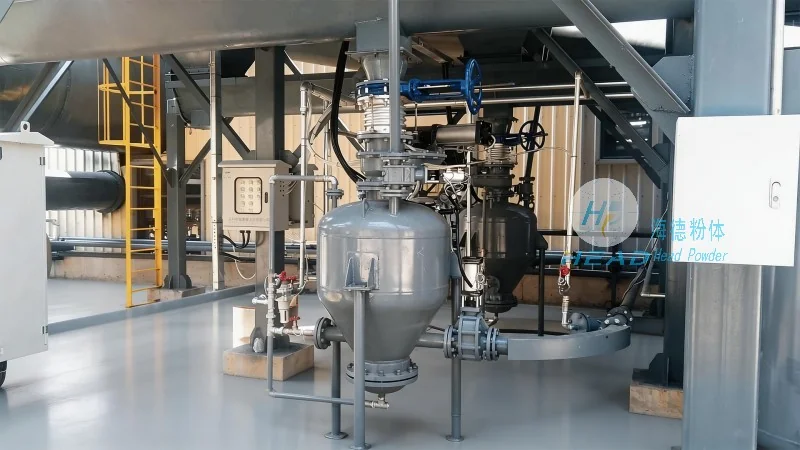
The handling of manganese silicate revolves around several essential principles that ensure safe, efficient, and reliable material transport. First, understanding the material's physical and chemical properties is critical. Manganese silicate typically exists as a fine, powdery or granular substance, which influences its flow characteristics and handling requirements. Proper storage and containment are paramount to prevent dust generation and material degradation. Additionally, the selection of equipment—such as conveyor systems, silos, and feeding mechanisms—must align with the material's properties to avoid clogging, segregation, or loss.
Another key principle is optimizing material flow. Manganese silicate often requires controlled feeding to maintain consistent flow rates, especially in high-speed production lines. This involves specialized feeding devices like rotary valves, vibratory feeders, or screw conveyors, which regulate material movement and prevent overloading or underflow. The design of the handling system must also account for moisture content and potential agglomeration, as these factors can impact flowability and may necessitate drying or anti-caking agents.
Working Scene Characteristics of Manganese Silicate Material Handling
The working scenarios for manganese silicate material handling vary based on industrial applications and production scale. In battery manufacturing, large-scale facilities demand high throughput, with handling systems featuring automated conveyor belts, bulk storage silos, and precise dosing equipment to support continuous battery production lines. The environment is characterized by high-speed operations, strict quality control, and minimal material loss requirements.
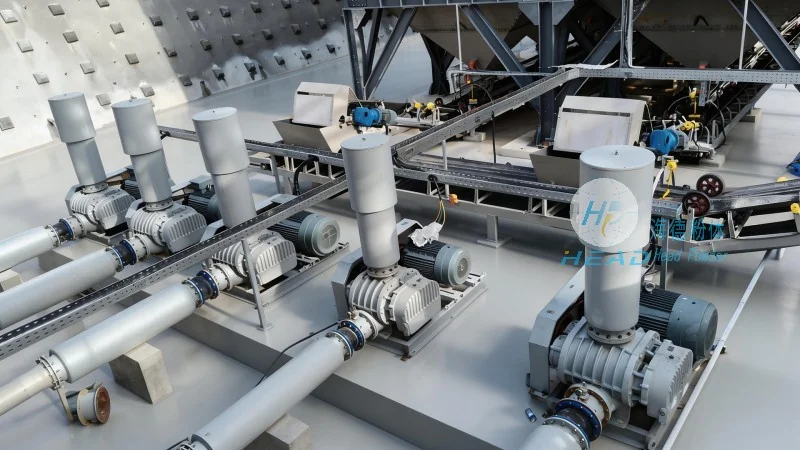
In steel production, manganese silicate serves as a deoxidizer and alloying agent. Handling here involves bulk transport from storage silos to blast furnaces or ladle furnaces. The working scene emphasizes heavy-duty equipment, high-temperature environments, and robust transport systems capable of withstanding harsh conditions. The material is usually delivered in bulk, requiring efficient loading and unloading processes to sustain continuous steel production.
In chemical processing, manganese silicate acts as a catalyst or additive in various reactions. Handling in this field involves smaller-scale operations and precise measurement. The working scene may include laboratory or pilot-scale facilities with precision dosing equipment and controlled environments to ensure accurate chemical outcomes. The focus is on material purity and consistency, as even minor variations can impact final product quality.
Equipment and System Design Considerations
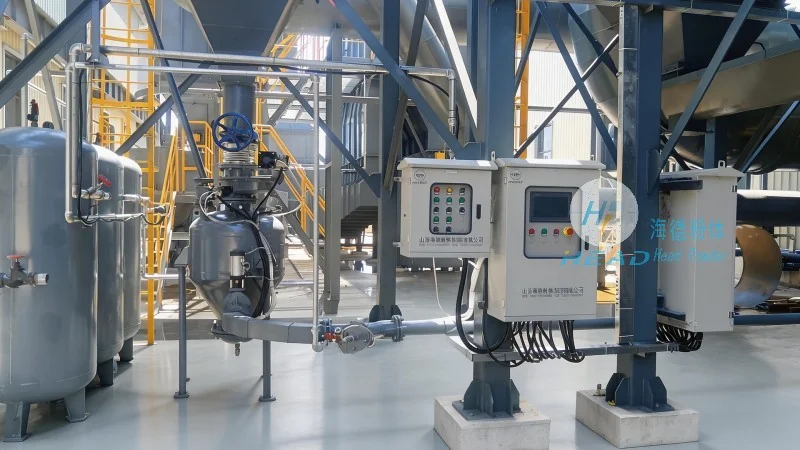
The selection of equipment for manganese silicate handling is critical to meeting diverse operational demands. Conveyor systems—such as belt or chain conveyors—are used for horizontal or inclined transport, depending on facility layout. Silos and hoppers provide bulk storage, offering stable and controlled material environments. Feeding mechanisms, including rotary valves and vibratory feeders, regulate flow from storage to processing equipment. System design must consider material flowability, equipment durability, and maintenance needs to ensure long-term efficiency.
Automation and control systems are increasingly integral to modern manganese silicate handling. Automated controls monitor material levels, flow rates, and equipment performance, providing real-time data and alerts for deviations. This maintains optimal conditions and reduces downtime. Sensors and monitoring devices enhance safety by detecting hazards like overfilling or blockages.
Challenges and Solutions in Manganese Silicate Material Handling
Handling manganese silicate presents challenges like material segregation, dust generation, and clogging. Segregation can cause inconsistent quality; solutions include mixing equipment and controlled feeding. Dust generation poses health and safety risks and impacts equipment; dust control measures such as sealing systems and ventilation are essential. Clogging in screw conveyors or rotary valves leads to downtime; anti-caking agents or self-cleaning equipment can mitigate this. Regular maintenance and inspections further prevent issues, ensuring smooth operations and improved efficiency.




