

Principles and Application Scenarios of Dry Soybean Material Conveying
Dry soybean material conveying is a critical process in the soybean processing industry, ensuring efficient movement of raw materials from storage to processing units. Understanding the underlying principles and the specific characteristics of different working environments is essential for optimizing operational efficiency and maintaining product quality. This article explores the fundamental mechanisms of dry soybean material conveying and highlights the key features of various application scenarios.
Core Principles of Dry Soybean Material Conveying
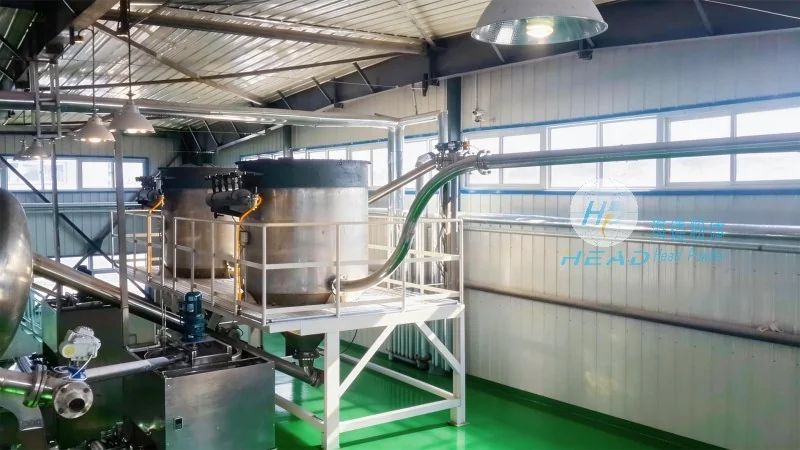
The primary goal of dry soybean material conveying is to transport bulk dry soybeans from one location to another within a processing facility or between storage and processing areas. Several key principles govern this process, including gravity-based movement, mechanical force application, and the use of specialized equipment designed to handle the physical properties of dry soybeans. Gravity conveyors, for instance, rely on the natural downward movement of soybeans due to gravity, making them suitable for short horizontal or inclined distances. In contrast, mechanical conveyors such as belt conveyors, screw conveyors, and bucket elevators utilize motorized systems to move soybeans over longer distances or vertical heights. The choice of conveyor type depends on factors like the soybean's moisture content, bulk density, and the required conveying capacity, all of which influence the overall efficiency and cost-effectiveness of the system.
Working Scene Characteristics of Dry Soybean Material Conveying
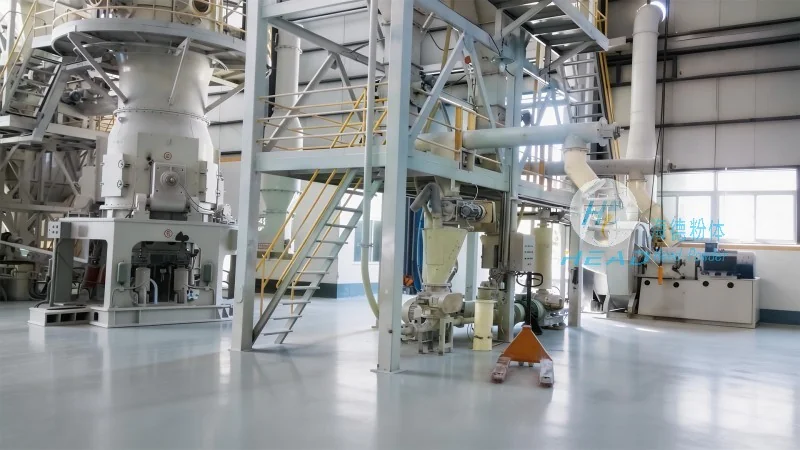
Dry soybean material conveying operates in diverse industrial settings, each with unique characteristics that impact the design and implementation of the conveying system. In soybean processing plants, for example, the system must handle large volumes of raw material efficiently, often integrating with other processing equipment like hullers, dehullers, and roasters. The working environment in these plants is typically characterized by high throughput requirements, the need for dust control measures, and compliance with safety regulations. Storage facilities, on the other hand, may focus on the movement of soybeans from silos or bulk storage bins to processing lines, where the conveying system must ensure minimal material loss and consistent flow rates. The characteristics of the working scene, such as the layout of the facility, the height of vertical conveyors, and the need for flexible conveying paths, directly influence the selection of equipment and the overall system design. Additionally, the environmental conditions, including temperature and humidity, can affect the performance of the conveying system, particularly in regions with extreme weather conditions.
Company Profile: Shandong HeadPowder Engineering Co., Ltd.
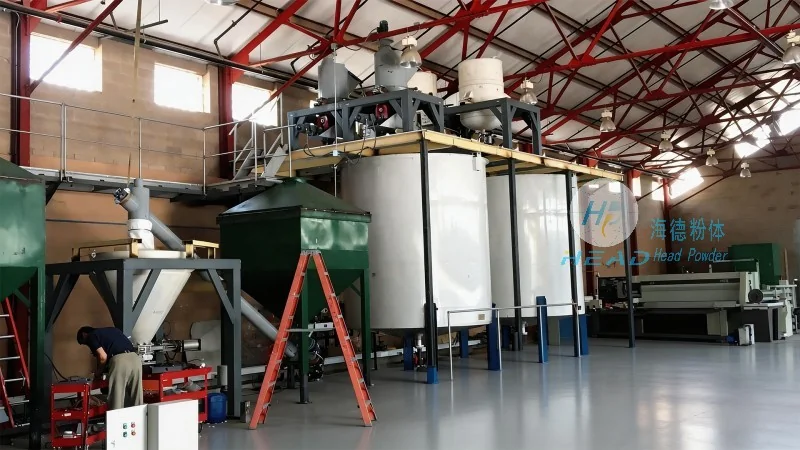
HeadPowder, a leading engineering company based in Shandong, China, specializes in the design, manufacturing, and installation of material handling systems tailored to the needs of the soybean processing industry. With years of experience in the field, HeadPowder has developed a comprehensive range of conveying solutions that address the unique challenges of dry soybean material handling. The company's expertise lies in customizing conveyor systems to meet specific operational requirements, ensuring that clients achieve optimal performance, energy efficiency, and cost savings. HeadPowder's commitment to quality and innovation has made it a trusted partner for businesses seeking reliable and efficient material conveying solutions in the soybean processing sector.