

Classification and Composition of Soda Ash Pneumatic Conveying Systems
For industrial applications involving soda ash, the selection of an appropriate pneumatic conveying system is crucial for efficient material handling, process reliability, and operational safety. This article provides an overview of the classification and key components of soda ash pneumatic conveying systems, along with an introduction to the company specializing in such solutions.
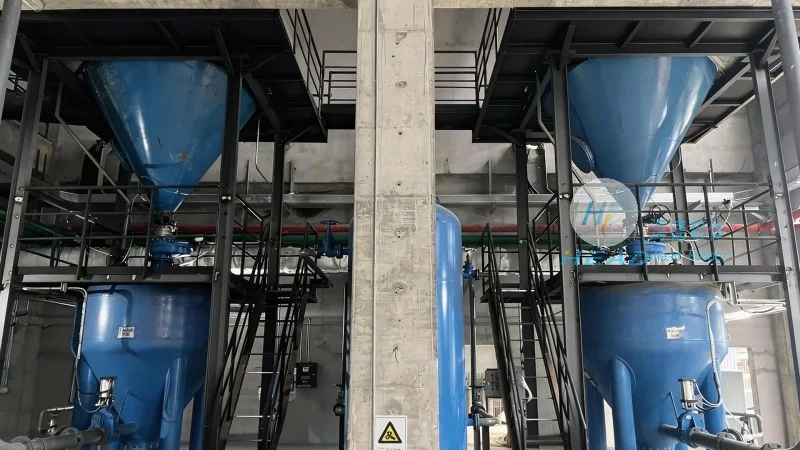
Introduction to Soda Ash Pneumatic Conveying Systems
Pneumatic conveying systems utilize air or gas to transport bulk materials like soda ash (sodium carbonate) through a network of pipes. These systems are widely adopted in industries such as chemical manufacturing, construction materials production, and food processing due to their ability to handle fine powders and granules with minimal dust generation and reduced risk of contamination. The design of a soda ash pneumatic conveying system depends on several factors, including the material's physical properties, the required conveying distance, and the desired throughput. By understanding the classification and components of these systems, industries can optimize their material handling processes and enhance overall operational efficiency.
Classification of Soda Ash Pneumatic Conveying Systems
Soda ash pneumatic conveying systems are primarily classified based on the pressure differential used to move the material. The two main categories are vacuum (or suction) systems and positive pressure (or pressure) systems. Each type has distinct characteristics and is suitable for different operational requirements.
1. Vacuum (Suction) Conveying Systems: These systems operate under negative pressure, drawing the soda ash from the source (e.g., a storage silo or hopper) into the conveying line using a vacuum pump or fan. The material is then transported to the destination (e.g., a processing unit or storage tank) through the pipeline. Vacuum systems are ideal for applications where the material needs to be transferred from a low elevation or when the source is located at a distance from the destination. They are also suitable for handling materials that are prone to caking or agglomeration, as the low pressure helps maintain material flow.
2. Positive Pressure (Pressure) Conveying Systems: In contrast, positive pressure systems use a fan or blower to generate positive pressure in the conveying line, pushing the soda ash from the source to the destination. These systems are commonly used for longer conveying distances or when the material needs to be elevated to a higher level. Positive pressure systems are generally more robust and can handle higher material loads compared to vacuum systems. However, they may require more maintenance due to the higher pressure and potential for increased wear on components.
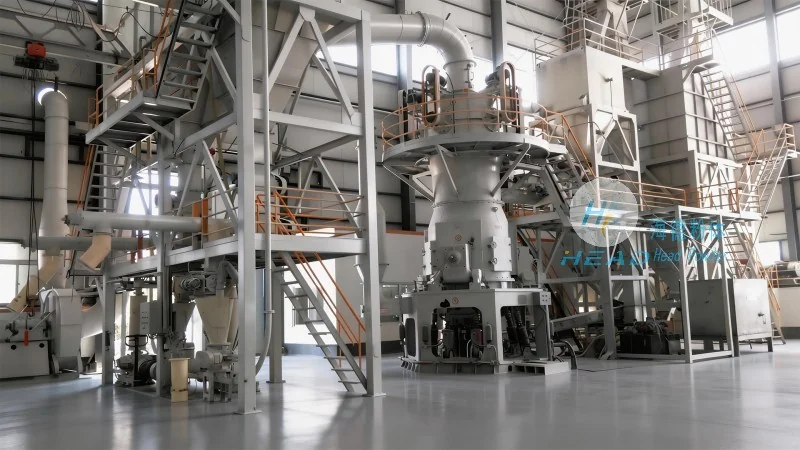
3. Mixed-Pressure Systems: Some applications may involve a combination of both vacuum and positive pressure components. For instance, a system might use a vacuum to draw the material from a hopper and then switch to positive pressure to transport it over a longer distance. Mixed-pressure systems offer flexibility and can be tailored to meet specific process requirements, such as varying conveying distances or material flow rates.
Key Components of Soda Ash Pneumatic Conveying Systems
Regardless of the classification, soda ash pneumatic conveying systems consist of several critical components that work in concert to ensure efficient material transport. These components include:
1. Feeders and Hoppers: The system starts with a hopper or storage silo that holds the soda ash. The feeder, typically a rotary valve or a screw feeder, regulates the flow of material into the conveying line. Proper design of the hopper and feeder is essential to prevent material bridging or clogging, which can disrupt the conveying process.
2. Piping and Fittings: The conveying line is made of durable materials, such as stainless steel or high-density polyethylene (HDPE), to withstand the corrosive nature of soda ash and the abrasive effects of the material. The piping system includes elbows, tees, and other fittings that direct the material flow and maintain the pressure gradient. The diameter and length of the pipes are carefully selected to ensure optimal air-to-material ratio and minimize pressure drop.
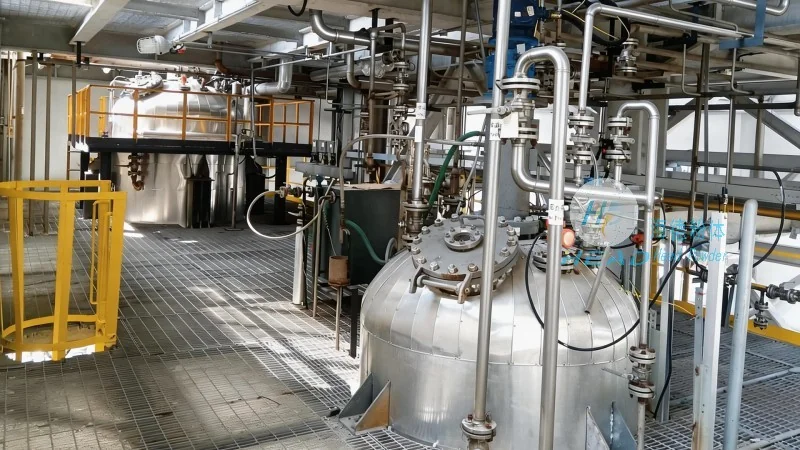
3. Blowers or Fans: The heart of the pneumatic conveying system is the air-moving device. For vacuum systems, a vacuum pump or a forward-curved fan is used to create the negative pressure. For positive pressure systems, a centrifugal or positive displacement blower is employed to generate the necessary positive pressure. The choice of the blower depends on the system's pressure requirements, material characteristics, and the desired conveying velocity.
4. Separators and Filters: At the receiving end of the system, a separator (such as a cyclone or a baghouse) is used to separate the soda ash from the air stream. The separator captures the solid particles while allowing the air to be discharged or recirculated. For applications where air quality is critical, additional filtration, such as a wet scrubber or a high-efficiency particulate air (HEPA) filter, may be included to ensure compliance with environmental regulations.
5. Control Systems: Modern soda ash pneumatic conveying systems are equipped with advanced control systems that monitor and regulate the operation. Sensors, such as pressure transducers and flow meters, provide real-time data on the system's performance. The control system, often based on programmable logic controllers (PLCs), can adjust the feeder speed, blower speed, or valve positions to maintain optimal conveying conditions. This automation enhances process reliability and reduces the risk of downtime or material loss.
Company Profile: Shandong HeadPowder Engineering Co., Ltd.
HeadPowder, the company specializing in soda ash pneumatic conveying systems, is a leading provider of customized material handling solutions. With its headquarters in Shandong, China, HeadPowder has established itself as a trusted partner for industries requiring efficient and reliable transport of bulk materials. The company's expertise lies in designing and manufacturing pneumatic conveying systems tailored to the specific needs of clients, ensuring optimal performance and longevity.
HeadPowder's team of engineers and technicians brings years of experience in the field, enabling them to address the unique challenges of handling soda ash and other similar materials. The company focuses on delivering high-quality products that meet international standards and comply with environmental regulations. By leveraging advanced technology and a customer-centric approach, HeadPowder has built a reputation for excellence in the industry.
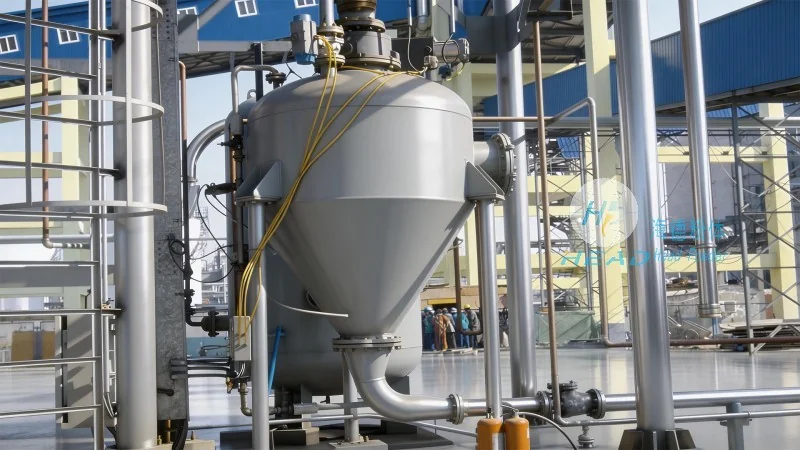
For businesses seeking to enhance their material handling processes, HeadPowder offers comprehensive solutions, from system design and installation to maintenance and support. The company's commitment to innovation and quality ensures that clients receive systems that are not only efficient but also durable and cost-effective. With a strong presence in China and a growing international footprint, HeadPowder continues to serve as a key player in the pneumatic conveying industry.
Application Scenarios for Soda Ash Pneumatic Conveying
Soda ash, also known as sodium carbonate, is a versatile chemical used in various industries, including glass manufacturing, detergents, and water treatment. The efficient transport of this material is critical for maintaining production efficiency and minimizing operational costs. Pneumatic conveying systems are particularly well-suited for applications where traditional methods, such as bucket elevators or belt conveyors, may not be feasible due to the material's fine particle size or the need to minimize dust exposure.
In glass production, for example, soda ash is a key raw material that must be delivered to the furnace at a consistent rate. A pneumatic conveying system can ensure that the material is transported without segregation or degradation, maintaining the quality of the final product. Similarly, in the detergent industry, the precise control of soda ash flow is essential for achieving the desired formulation. Pneumatic conveying systems allow for accurate dosing and mixing, contributing to product consistency.
Another application is in water treatment facilities, where soda ash is used to adjust the pH of water. The ability to transport the material in a dust-free manner is crucial for maintaining the integrity of the treatment process and ensuring compliance with environmental standards. Pneumatic conveying systems provide a safe and efficient method for handling soda ash in such applications.