

Working Principle and Features of Sodium Silicate Powder Pneumatic Conveying System
For industrial applications involving sodium silicate powder, efficient and reliable material handling is crucial. The pneumatic conveying system designed by Shandong HeadPowder Engineering Co., Ltd. offers a sophisticated solution that ensures optimal performance and operational safety. This system is engineered to handle sodium silicate powder with precision, addressing the unique challenges associated with this material's properties.
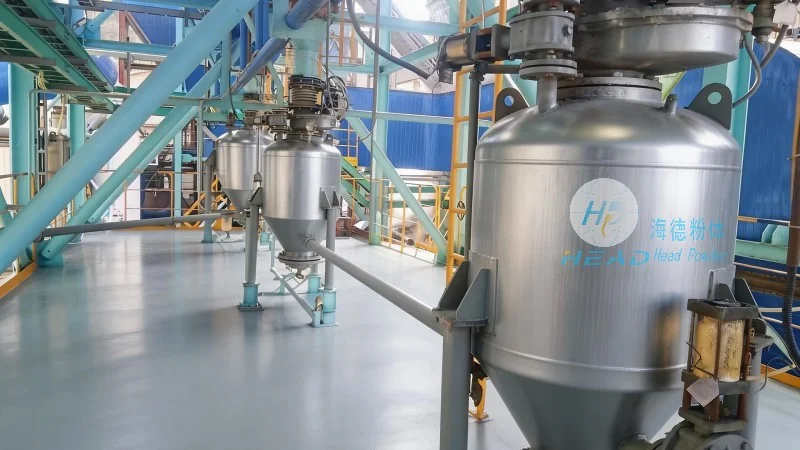
Working Principle of the Sodium Silicate Powder Pneumatic Conveying System
The pneumatic conveying system operates on the principle of transporting powder materials through a pressurized or vacuum environment. In this system, sodium silicate powder is introduced into a hopper, where it is then fed into a pipeline. The system utilizes either positive pressure (air or gas) or negative pressure (vacuum) to move the powder from the source to the destination. The positive pressure method involves blowing air or gas into the pipeline, creating a flow that carries the powder particles. Conversely, the negative pressure method creates a vacuum that draws the powder into the pipeline. The design of the system, including the selection of appropriate air flow rates and pipeline dimensions, is critical to ensuring efficient and consistent conveying. The system also incorporates components such as feeders, cyclones, and filters to control the flow and prevent material buildup or blockages. For instance, the feeder regulates the amount of powder entering the pipeline, while the cyclone separates the powder from the air stream, allowing for recycling of the air and preventing dust contamination. The filters ensure that the air leaving the system is clean, meeting environmental and safety standards. The overall design is optimized to handle the specific properties of sodium silicate powder, such as its particle size distribution and moisture content, which can affect the conveying efficiency.
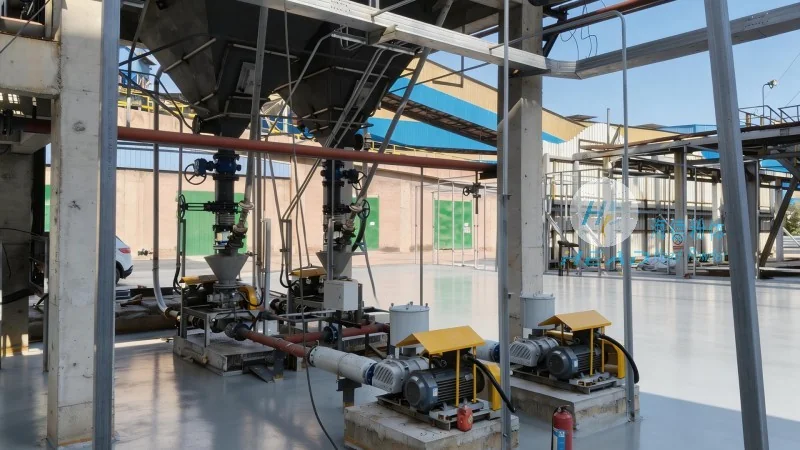
Key Features of the Sodium Silicate Powder Pneumatic Conveying System
Shandong HeadPowder Engineering Co., Ltd.'s pneumatic conveying system for sodium silicate powder is characterized by several key features that enhance its performance and usability. Firstly, the system is designed for high efficiency, minimizing material loss and ensuring consistent flow rates. The use of advanced materials and engineering ensures durability and resistance to corrosion, which is particularly important for handling sodium silicate powder that may be abrasive or chemically reactive. The system also offers flexibility in terms of conveying distance and material volume, making it suitable for various industrial applications. Additionally, the system incorporates safety features such as pressure relief valves and overfill protection to prevent accidents and ensure compliance with safety regulations. The integration of monitoring and control systems allows for real-time tracking of the conveying process, enabling operators to adjust parameters as needed to maintain optimal performance. For example, the system can be equipped with sensors that monitor pressure, flow rate, and temperature, providing real-time data to the control panel. This allows operators to detect any anomalies and take corrective action promptly, preventing system failures or material damage. The system also features easy maintenance components, such as replaceable filters and accessible piping, which reduce downtime and maintenance costs. Furthermore, the system is designed to be energy-efficient, with optimized air flow rates that minimize energy consumption while maintaining conveying performance. This contributes to lower operational costs and a smaller environmental footprint.
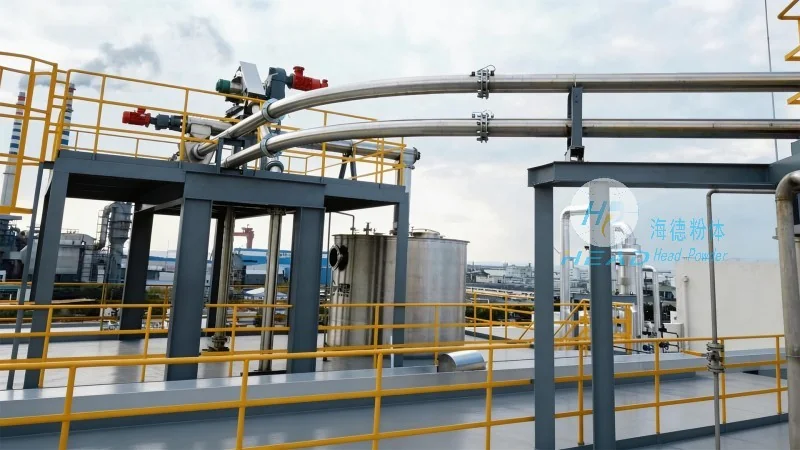
Benefits and Applications
The implementation of this pneumatic conveying system provides numerous benefits for industries dealing with sodium silicate powder. The primary advantage is the reduction in labor costs associated with manual handling and the elimination of dust-related health hazards. The system also improves process efficiency by ensuring a consistent and continuous flow of material, which is essential for maintaining production rates. Furthermore, the system's compact design and ease of installation make it suitable for integration into existing industrial setups without significant modifications. The system is widely used in various industries, including construction, glass manufacturing, and chemical processing, where sodium silicate is a key raw material. In the construction industry, the system is used to transport sodium silicate powder from storage silos to mixing units, ensuring a steady supply of material for concrete and mortar production. In glass manufacturing, the system conveys the powder to the furnace, where it is used as a flux to lower the melting point of silica. In chemical processing, the system transports the powder to reaction vessels, where it is used as a catalyst or additive. In all these applications, the system ensures that the powder is transported safely and efficiently from storage to processing units, contributing to overall operational productivity. The system's reliability and performance have made it a preferred choice for many companies, as it reduces downtime and increases the overall efficiency of their operations.