

Classification and Application Analysis of Hay Pneumatic Conveying Systems
Hay pneumatic conveying systems are critical components in agricultural processing and material handling, designed to efficiently transport forage materials such as hay, straw, and other bulk agricultural products. The technology leverages air pressure or vacuum to move materials through a pipeline network, offering advantages like reduced labor costs, improved hygiene, and enhanced material protection compared to traditional methods like manual handling or mechanical conveyors.
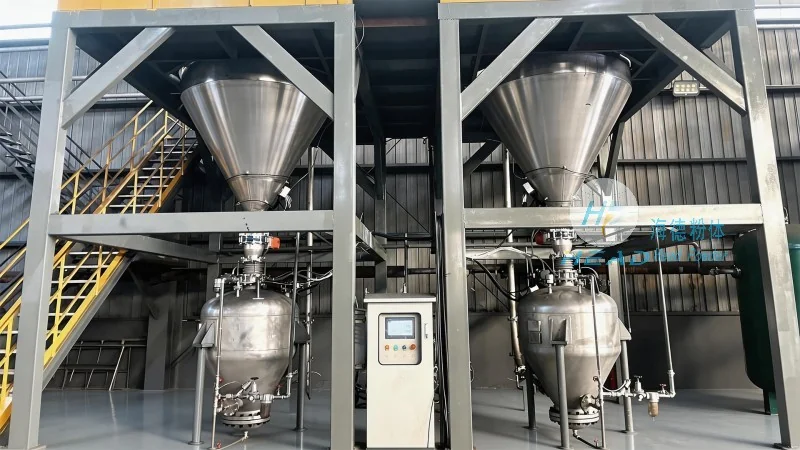
Overview of Hay Pneumatic Conveying Systems
Hay pneumatic conveying systems are engineered to handle the unique challenges of agricultural materials, which often include high moisture content, variable particle sizes, and the need for gentle handling to preserve nutritional value. These systems are typically classified based on the conveying principle, material characteristics, and operational environment. The primary classification includes positive pressure systems, negative pressure (or vacuum) systems, and hybrid systems, each tailored to specific application requirements and material properties.
Classification of Hay Pneumatic Conveying Systems
Positive pressure systems are the most common type for hay handling, where air is forced through the pipeline under pressure, pushing the material forward. This method is effective for short to medium distances and can handle a wide range of material densities. The system typically includes a blower, a hopper for material storage, and a pipeline network with appropriate fittings and valves. Key components such as rotary valves, airlocks, and dust collectors are integrated to ensure efficient and clean operation. Positive pressure systems are widely used in feed mills, silage production facilities, and hay processing plants due to their ability to handle abrasive materials and maintain consistent flow rates.
Negative pressure systems, also known as vacuum systems, operate by creating a vacuum in the pipeline to draw material from the source. This approach is suitable for applications requiring gentle material handling, such as transporting delicate hay or straw from storage silos to processing areas. The system comprises a vacuum pump, a hopper, and a pipeline with suction points. The vacuum helps to minimize material degradation and prevent dust dispersion, making it ideal for environments where air quality is a concern. However, negative pressure systems are generally limited to shorter distances and may require more maintenance due to the higher wear on components from the continuous suction process.
Hybrid systems combine elements of both positive and negative pressure, offering flexibility in conveying different materials or handling varying distances. These systems use a combination of pressure and vacuum to optimize material flow and reduce energy consumption. For instance, a hybrid system might use positive pressure to move material from a storage silo to a processing unit and then switch to negative pressure to transport the material to a storage bin. This adaptability makes hybrid systems suitable for complex agricultural operations with diverse material handling needs.
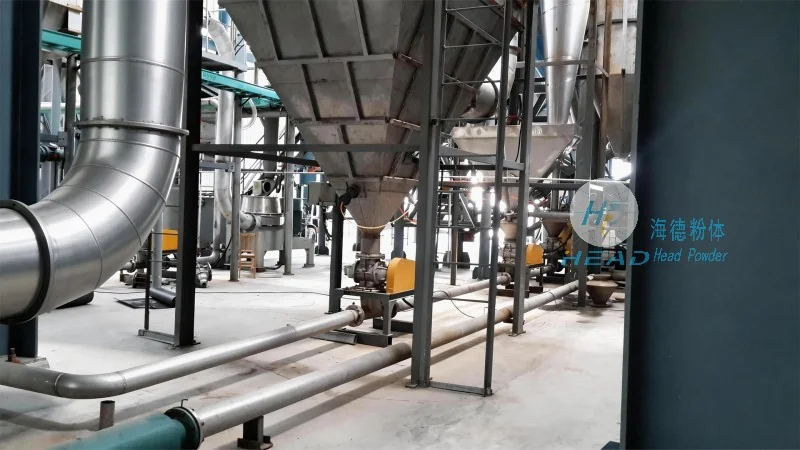
Key Applications of Hay Pneumatic Conveying Systems
Hay pneumatic conveying systems find extensive applications across the agricultural and animal feed industries. In feed mills, these systems are used to transport hay and other forage materials from storage silos to mixing and processing areas, ensuring a consistent supply of raw materials for animal feed production. The systems are also employed in silage production facilities, where hay is conveyed to silos for fermentation, improving the efficiency of the silage-making process and reducing labor costs associated with manual loading.
In hay processing plants, pneumatic conveying systems facilitate the movement of hay from baling or cutting operations to storage or packaging areas. This technology helps to maintain the quality of the hay by minimizing exposure to air and moisture, which can cause spoilage or nutrient loss. The systems are particularly useful in large-scale operations where the volume of hay to be handled is high, and manual handling is impractical or inefficient.
Additionally, hay pneumatic conveying systems are utilized in research and development facilities, where precise control over material flow is essential for testing new feed formulations or processing methods. The ability to accurately measure and control the flow rate of hay allows researchers to optimize feed composition and improve animal nutrition outcomes.
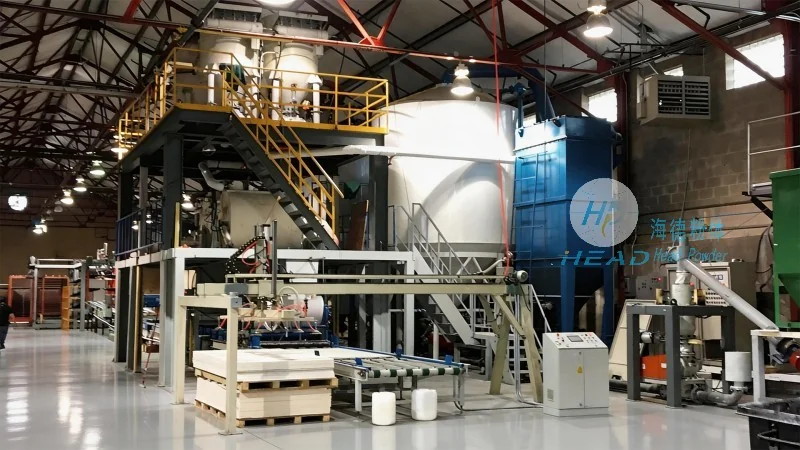
Advantages and Considerations for Hay Pneumatic Conveying Systems
Hay pneumatic conveying systems offer several advantages over traditional material handling methods. One of the primary benefits is the reduction in labor costs, as automated systems can handle large volumes of hay with minimal human intervention. This not only improves operational efficiency but also enhances workplace safety by eliminating the need for manual lifting and handling of heavy hay bales. The systems also provide better hygiene and sanitation, as they keep the material contained within a closed pipeline, preventing contamination from dust, dirt, or other external factors.
Furthermore, pneumatic conveying systems offer improved material protection by reducing the risk of damage or degradation during transport. The gentle handling of hay, especially in vacuum systems, helps to preserve its nutritional value and structural integrity, which is crucial for maintaining the quality of animal feed. This is particularly important for high-value forage materials that are used in specialized animal husbandry or premium feed products.
However, there are also considerations to keep in mind when implementing hay pneumatic conveying systems. The initial investment cost can be higher compared to mechanical conveyors, as the systems require specialized equipment such as blowers, vacuum pumps, and complex pipeline networks. Additionally, the systems may require regular maintenance to ensure optimal performance, as components like rotary valves and airlocks are subject to wear and tear from continuous operation. Proper maintenance, including cleaning and replacement of worn parts, is essential to prevent system downtime and maintain efficiency.
Conclusion
Hay pneumatic conveying systems represent a sophisticated and efficient solution for handling agricultural materials, offering significant benefits in terms of operational efficiency, material protection, and labor savings. By understanding the different classification types and application requirements, agricultural operations can select the most appropriate system to meet their specific needs. As the demand for high-quality animal feed and efficient agricultural processing continues to grow, the role of pneumatic conveying systems in hay handling is likely to become even more critical. Companies like Shandong HeadPowder Engineering Co., Ltd., with their expertise in engineering and manufacturing such systems, play a vital role in supporting the agricultural industry's transition to more advanced and sustainable material handling solutions.