

What is Polyvinyl Alcohol Formaldehyde Pneumatic Conveying, Classification and Applications of Pneum
Pneumatic conveying is a widely used method for transporting bulk materials in various industrial applications. Among the different types of pneumatic conveying systems, the Polyvinyl Alcohol Formaldehyde (PVA-F) based system stands out due to its unique properties and effectiveness in handling specific materials. This article aims to explore the concept of PVA-F pneumatic conveying, categorize the different types of pneumatic conveying systems, and discuss their practical applications in industrial settings.
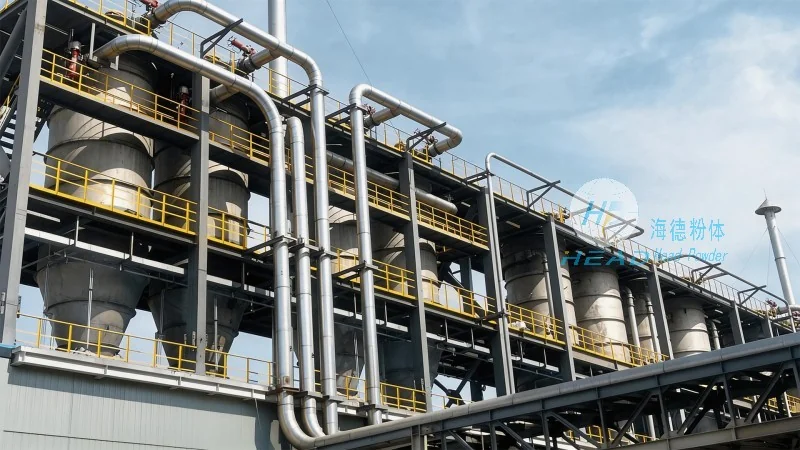
Understanding PVA-F Pneumatic Conveying
Polyvinyl Alcohol Formaldehyde, commonly known as PVA-F, is a type of polymer that is often used as a binder or additive in pneumatic conveying systems. The PVA-F solution, when applied to the material being conveyed, helps to improve the flow characteristics and reduce the risk of material degradation during transport. This makes PVA-F pneumatic conveying particularly suitable for transporting sensitive or abrasive materials that require gentle handling.
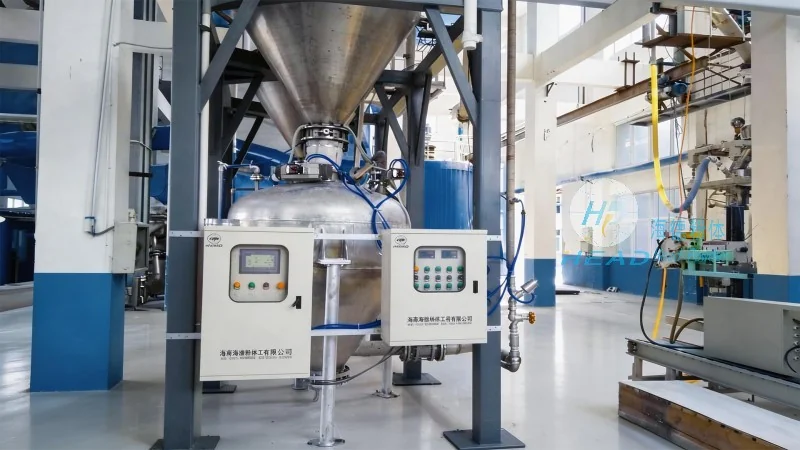
Types of Pneumatic Conveying Systems
Pneumatic conveying systems can be broadly classified into two main categories: dilute phase and dense phase. Dilute phase systems operate at low pressure and high velocity, where the material is suspended in the air stream. Dense phase systems, on the other hand, operate at higher pressure and lower velocity, where the material is conveyed in a more solid-like state. Each type has its own advantages and is chosen based on the specific requirements of the material being transported.
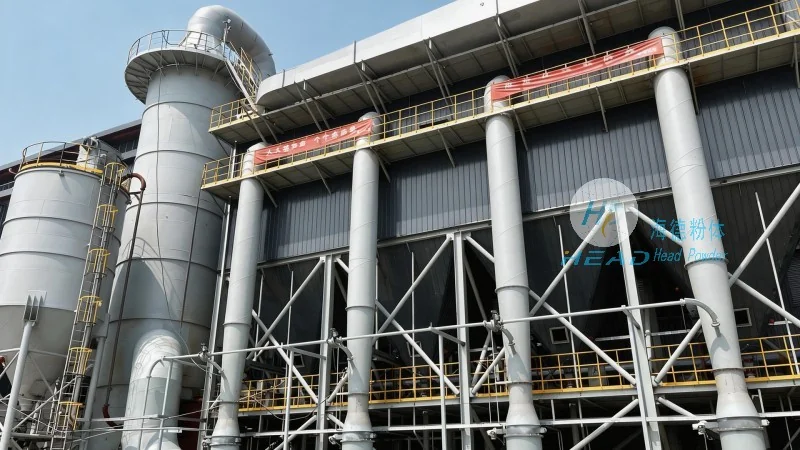
Applications of Pneumatic Conveying
The applications of pneumatic conveying systems are diverse and span across multiple industries. In the chemical industry, PVA-F pneumatic conveying is used to transport powders and granules. In the food industry, it is employed to handle ingredients that require hygienic and gentle handling. The construction industry also utilizes pneumatic conveying for transporting cement and other building materials. Additionally, in the pharmaceutical industry, PVA-F pneumatic conveying ensures the safe and efficient transport of active pharmaceutical ingredients (APIs).
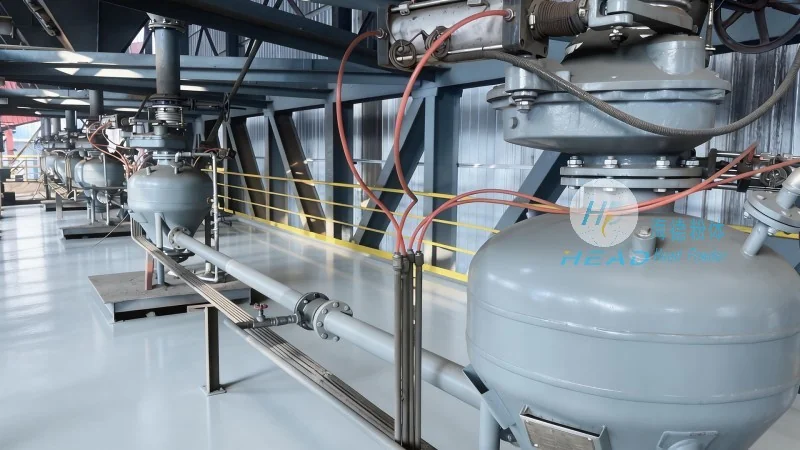
Benefits of PVA-F Pneumatic Conveying
One of the key benefits of PVA-F pneumatic conveying is its ability to handle a wide range of materials, including those that are difficult to transport using traditional methods. The PVA-F solution helps to reduce friction and improve the flowability of the material, leading to more efficient and cost-effective transport. Another advantage is the reduced risk of material contamination, as the system is enclosed and does not require direct human contact. This makes it suitable for applications where hygiene and product purity are critical.