Sugar processing is a critical industry with high demands on material handling efficiency and system reliability. Pneumatic conveying systems have emerged as a key technology for transporting sugar, offering advantages such as dust-free operation, low maintenance, and flexibility in layout. This article provides a comprehensive analysis of the classification and practical applications of sugar pneumatic conveying systems, focusing on the technical aspects and operational considerations.
Classification of Sugar Pneumatic Conveying Systems
Sugar pneumatic conveying systems can be broadly classified based on several key parameters, including the conveying principle, pressure level, and material flow characteristics. The primary classifications include:
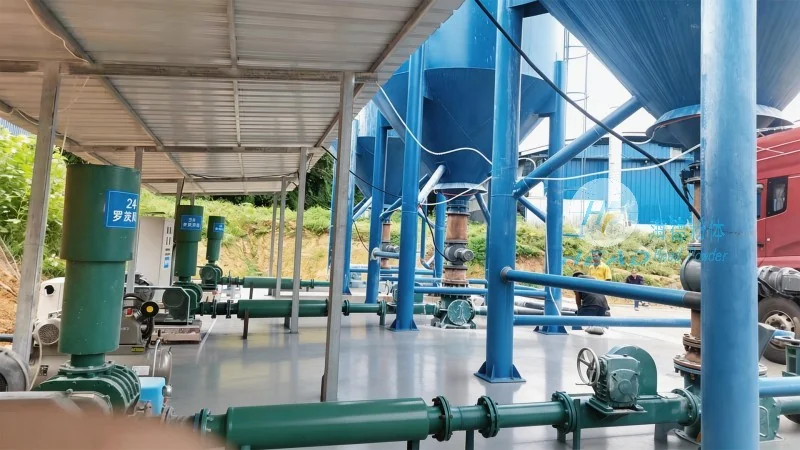
- Positive Pressure Systems: These systems use compressed air to push the material forward. They are suitable for short to medium distances and are commonly used in sugar factories for transporting raw sugar or refined sugar from storage to processing units.
- Negative Pressure (Vacuum) Systems: These systems create a vacuum to draw material from a source. They are ideal for long-distance or multi-level conveying, often used in sugar mills to transport sugar from storage silos to packaging areas.
- Combined Pressure-Vacuum Systems: A hybrid approach that combines both positive and negative pressure to optimize conveying efficiency for complex layouts, such as those with multiple elevation changes or varying material flow rates.
Each classification has distinct advantages and is selected based on factors like the distance to be covered, the height difference, the type of sugar (e.g., granulated, powdered), and the required throughput. For instance, positive pressure systems are often preferred for short horizontal or slightly inclined conveying due to their simplicity and lower energy consumption compared to vacuum systems.
Key Applications in Sugar Processing
Sugar pneumatic conveying systems are widely applied across various stages of sugar production and handling. The main applications include:
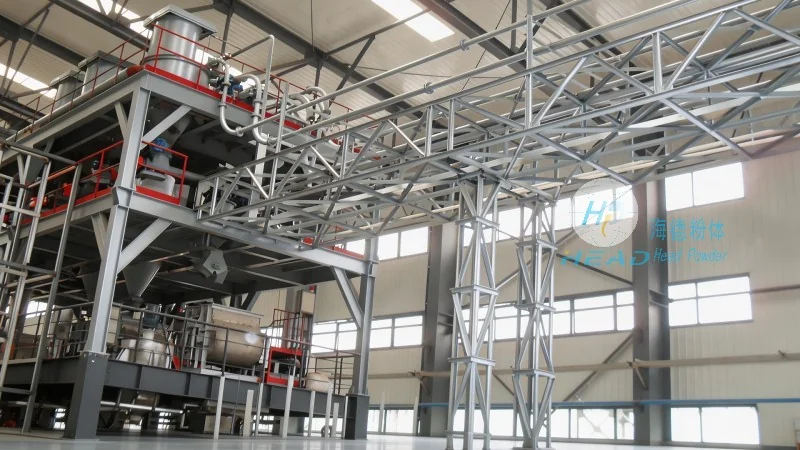
- Raw Sugar Transport: From storage silos to refining equipment, where consistent and dust-free transport is essential to maintain product quality and prevent contamination.
- Refined Sugar Handling: Moving processed sugar from the refining section to packaging lines, ensuring that the final product meets stringent purity standards.
- Byproduct and Waste Management: Conveying waste materials or byproducts from the sugar processing plant to disposal or recycling facilities, improving overall operational efficiency.
- Quality Control and Sampling: Using specialized conveying equipment to transport samples for laboratory analysis, enabling real-time monitoring of product quality.
In each application, the system design is tailored to the specific material characteristics and operational requirements. For example, when handling granulated sugar, the system must be designed to prevent material blockages and ensure smooth flow, which may involve using appropriate air velocities and pipeline diameters.
Technical Considerations and System Design
The successful implementation of a sugar pneumatic conveying system depends on careful consideration of several technical factors. These include:
- Air Velocity and Pressure: The air velocity must be sufficient to overcome the material's resistance to flow but not so high as to cause excessive wear on components or energy waste. The pressure level is determined by the conveying distance and elevation changes.
- Pipeline Layout and Materials: The design of the pipeline network, including bends, elbows, and expansion joints, is critical to minimize pressure losses and prevent material deposition. Materials such as stainless steel or special alloys are often used to resist corrosion and abrasion from sugar particles.
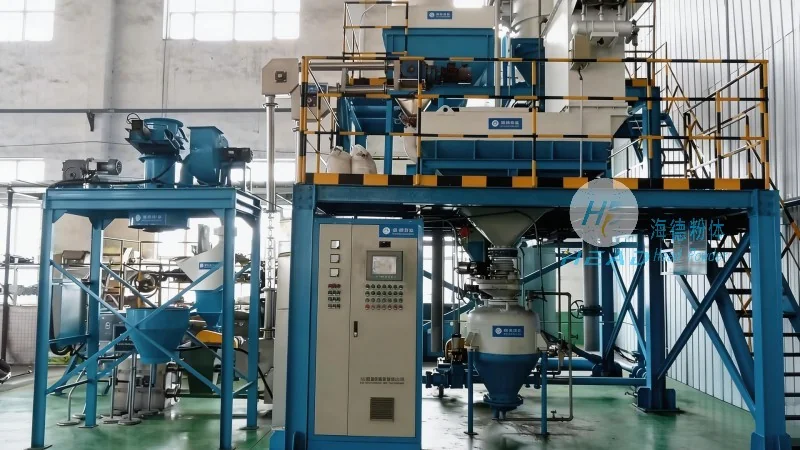
- Component Selection: Key components like air blowers, filters, and material feeders are selected based on the system's capacity and the type of sugar being conveyed. High-quality components ensure long service life and reliable operation.
- Control Systems: Modern sugar pneumatic conveying systems are equipped with advanced control systems that monitor pressure, flow rate, and material level, allowing for automated operation and real-time adjustments to maintain optimal performance.
Proper system design and maintenance are essential to ensure the longevity and efficiency of the conveying system. Regular inspections and cleaning of pipelines and filters are necessary to prevent blockages and maintain consistent performance.
Case Study: Application in a Sugar Mill
Shandong HeadPowder Engineering Co., Ltd. has successfully implemented a pneumatic conveying system for a large sugar mill in China. The system, designed for positive pressure operation, transports refined sugar from storage silos to the packaging line over a distance of 200 meters with a height difference of 15 meters. The system was configured with stainless steel pipelines and high-efficiency air blowers to handle the granulated sugar without causing degradation or contamination. The implementation resulted in a 30% reduction in labor costs and a 20% increase in production throughput compared to traditional belt conveyors.
Conclusion
Sugar pneumatic conveying systems offer significant advantages in terms of efficiency, hygiene, and flexibility for sugar processing applications. By understanding the different classifications and technical considerations, industry professionals can select and implement the most suitable system for their specific needs. As a leading provider in the field, Shandong HeadPowder Engineering Co., Ltd. specializes in designing and manufacturing customized pneumatic conveying solutions that meet the unique requirements of sugar processing facilities, ensuring optimal performance and long-term reliability.




