

Classification and Application Analysis of Soybean Pneumatic Conveying Systems
Soybean pneumatic conveying systems represent a critical technology in the agricultural and food processing industries, designed to efficiently transport soybeans from storage facilities to processing lines. These systems utilize air pressure to move bulk materials, offering advantages such as reduced labor costs, minimized product damage, and enhanced operational flexibility. The classification of these systems is based on several key factors, including the type of air flow, the method of material transport, and the specific application requirements. Understanding these classifications is essential for selecting the most suitable system for soybean handling operations.
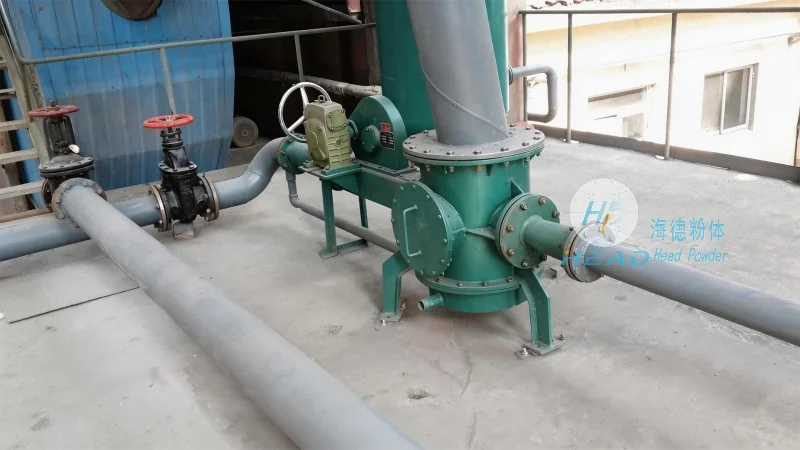
Types of Soybean Pneumatic Conveying Systems
There are primarily two main categories of pneumatic conveying systems used for soybean transport: positive pressure systems and negative pressure systems. Positive pressure systems operate by blowing air into the conveying line, pushing the soybeans forward. This method is suitable for short to medium distances and is commonly used in processing plants where the material is moved from a storage bin to a grinder or other processing equipment. Negative pressure systems, on the other hand, draw air and soybeans into a vacuumed line, pulling the material from the source. This approach is ideal for longer distances and for applications where dust control is a priority, as it prevents the release of particles into the environment.
Within these main categories, subtypes further refine the system design. For instance, in positive pressure systems, the velocity of the air flow can be categorized as low, medium, or high velocity. Low velocity systems use air at speeds below 20 m/s, which is effective for gentle material handling but may require larger ducts. Medium velocity systems operate at 20-30 m/s, providing a balance between efficiency and energy consumption. High velocity systems use air speeds above 30 m/s, enabling rapid transport over longer distances but potentially increasing wear on components and energy costs. Similarly, negative pressure systems may employ different vacuum levels, ranging from 0.5 to 2 bar, to control the suction force and material flow rate.
Key Components and Working Principles
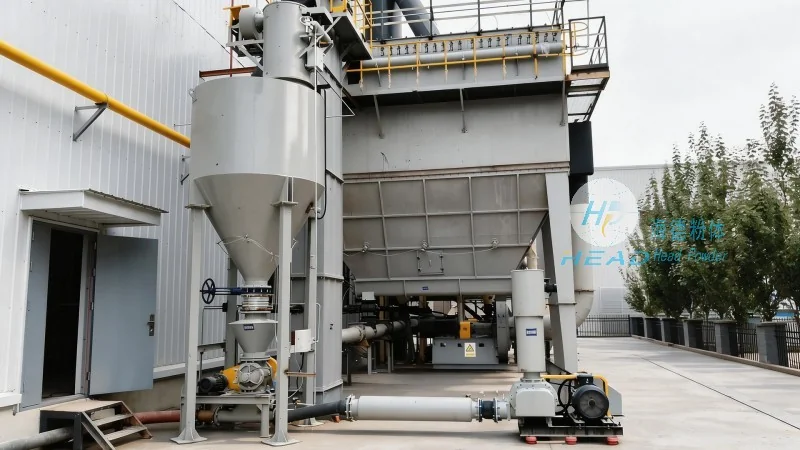
Regardless of the classification, all soybean pneumatic conveying systems consist of several core components that work in tandem to ensure efficient operation. The primary components include a material feed hopper, a conveying line (often made of metal or flexible tubing), a fan or blower to generate the air flow, and a discharge device such as a rotary valve or a cyclone separator. The feed hopper is responsible for storing and metering the soybeans, ensuring a consistent flow into the system. The conveying line transports the material and air mixture to the processing area. The fan or blower provides the necessary pressure or vacuum to move the material. Finally, the discharge device separates the soybeans from the air and directs them to the next stage of processing, while the air is typically filtered and recirculated to maintain system efficiency.
The working principle of these systems involves creating a pressure differential between the source and destination. In positive pressure systems, the fan increases the air pressure inside the conveying line, pushing the soybeans forward. The air velocity is carefully controlled to prevent material deposition or blockages in the ducts. In negative pressure systems, a vacuum is created at the discharge end, drawing the soybeans and air into the line. The design of the conveying line, including its diameter and length, is critical to maintaining the required air velocity and pressure differential to ensure smooth material transport. Proper sizing of the components is essential to avoid excessive energy consumption or system inefficiencies.
Applications in Soybean Processing
Soybean pneumatic conveying systems are widely used in various stages of soybean processing, from initial storage and handling to final product preparation. In storage facilities, these systems are used to transfer soybeans from silos or bins to processing lines, ensuring a continuous supply of raw material. During the processing stage, they are employed to move soybeans to grinding equipment, where they are converted into soybean meal or oil. The systems are also used in the production of soybean products such as tofu, soy milk, and soy protein isolates, where precise material handling is crucial to maintain product quality and consistency.
One of the key applications is in the production of soybean oil. The pneumatic conveying system efficiently transports soybeans to the oil extraction machinery, where they are pressed or solvent-extracted to obtain the oil. The system’s ability to handle large volumes of material quickly and with minimal damage is particularly beneficial in this process, as it helps preserve the nutritional value of the soybeans. Similarly, in the production of soybean meal, the system ensures that the material is transported to the grinding and pelleting equipment without excessive breakage, which can affect the final product’s nutritional content.
Another important application is in the handling of soybean products for animal feed. The systems are used to transfer soybean meal from storage silos to feed mills, where it is mixed with other ingredients to create animal feed. The efficiency of the pneumatic conveying system in this application is critical, as it helps maintain the quality of the feed and reduces the risk of contamination or spoilage. Additionally, the systems are used in the processing of soybean products for human consumption, such as soy sauce and soy-based beverages, where the gentle handling of the material is essential to preserve the flavor and nutritional properties of the soybeans.
Advantages and Considerations for Soybean Pneumatic Conveying Systems
Implementing a soybean pneumatic conveying system offers several advantages over traditional mechanical conveying methods. One of the primary benefits is the reduction in labor costs, as the system automates the material handling process, minimizing the need for manual labor. Additionally, the systems reduce product damage, as the gentle air flow minimizes the impact and friction on the soybeans, preserving their quality and nutritional value. Another advantage is the enhanced operational flexibility, as the systems can be easily adjusted to handle different volumes of material or to transport soybeans to various processing locations.
However, there are also considerations to keep in mind when selecting and operating a pneumatic conveying system. The energy consumption of the system is a significant factor, as high-velocity systems may require more power to operate. Proper maintenance is also crucial to ensure the system’s efficiency and longevity. Regular cleaning of the conveying line and filters is necessary to prevent blockages and maintain air quality. Additionally, the system’s design must consider the specific characteristics of soybeans, such as their size, moisture content, and density, to ensure optimal performance. For example, soybeans with high moisture content may require additional drying steps before being conveyed to prevent clogging in the system.
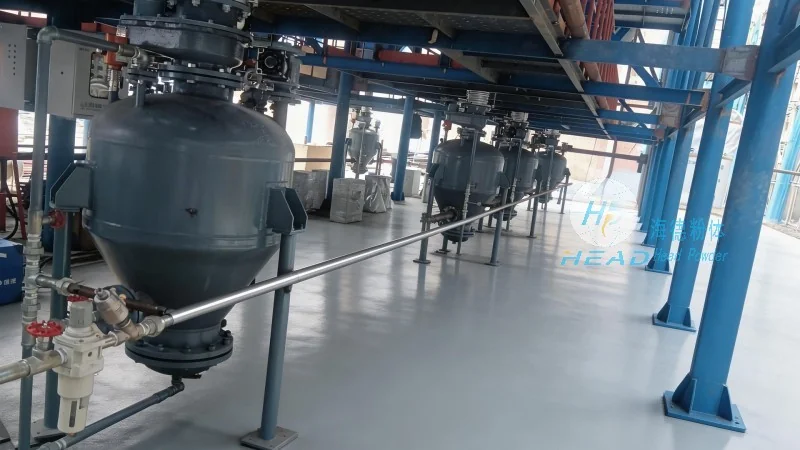
Cost is another important consideration. While the initial investment for a pneumatic conveying system may be higher than for mechanical systems, the long-term operational savings and increased efficiency often justify the investment. The system’s durability and resistance to wear and tear are also key factors, as soybeans can be abrasive and may cause wear on the conveying line and components. Proper material selection for the conveying line, such as stainless steel or high-quality plastic, can help extend the system’s lifespan and reduce maintenance costs.
Conclusion and Company Overview
Soybean pneumatic conveying systems are a vital component of modern soybean processing operations, offering efficient, gentle, and flexible material handling solutions. By understanding the different classifications and components of these systems, processors can select the most suitable equipment for their specific needs, ensuring optimal performance and product quality. The technology continues to evolve, with advancements in materials and control systems improving the efficiency and reliability of these systems.
Shandong HeadPowder Engineering Co., Ltd., a leading provider of engineering solutions for the powder and bulk material handling industry, specializes in the design, manufacturing, and installation of pneumatic conveying systems tailored to the needs of soybean processing facilities. With a focus on innovation and customer satisfaction, the company provides high-quality systems that meet the rigorous demands of the agricultural and food processing sectors. HeadPowder’s expertise in material handling technology ensures that their systems are efficient, durable, and tailored to the unique requirements of soybean processing, helping clients optimize their operations and improve product quality.
HeadPowder’s commitment to quality and customer service is reflected in their comprehensive approach to system design and installation. The company works closely with clients to understand their specific processing needs and provides customized solutions that enhance operational efficiency and product quality. With a strong presence in China, particularly in Shandong province, HeadPowder leverages its local expertise and resources to deliver reliable and effective pneumatic conveying systems for soybean processing. The company’s dedication to excellence and innovation positions it as a trusted partner for businesses seeking to improve their material handling capabilities in the soybean industry.