

What Are Textile Fiber Powder Handling Equipment? And What Are Their Design Principles?
Textile fiber powder handling equipment plays a crucial role in the processing and transportation of textile materials. These specialized systems are engineered to efficiently manage the movement of fiber powders, ensuring smooth operations in textile manufacturing and processing facilities. Understanding the design principles behind such equipment is essential for optimizing performance and maintaining quality in textile production.
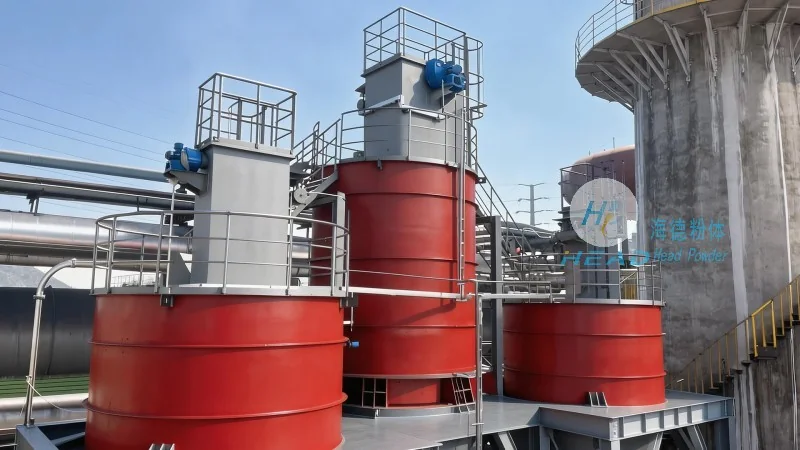
Key Components and Design Principles of Textile Fiber Powder Handling Equipment
The design of textile fiber powder handling equipment typically involves several key components that work in tandem to achieve effective material transport. These components include feed mechanisms, conveying systems, control units, and sometimes dust collection or filtration systems. The feed mechanism is responsible for introducing the fiber powder into the system, often using hoppers or feeders that can handle varying material flow rates. Conveying systems, such as pneumatic or mechanical conveyors, then transport the powder through the system. Control units manage the operation of these components, ensuring precise control over flow rates and system performance. In some cases, dust collection systems are integrated to maintain air quality and comply with environmental regulations.
How Textile Fiber Powder Handling Equipment Works
The operation of textile fiber powder handling equipment generally follows a sequence of steps. First, the fiber powder is fed into the system through a hopper or feeder. The feeder then regulates the flow rate, ensuring a consistent supply of material. Next, the conveying system transports the powder to the desired location, such as a processing machine or storage silo. Pneumatic conveyors use air pressure to move the powder, while mechanical conveyors rely on belts or screws. The control unit monitors the system, adjusting parameters as needed to maintain optimal performance. Finally, the powder is discharged from the system, completing the transport process. This entire process is designed to minimize material loss, reduce downtime, and enhance overall efficiency in textile production.
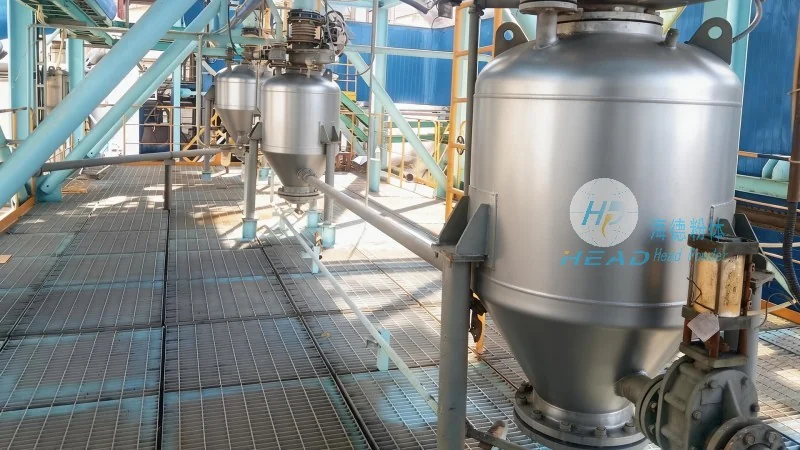
The Role of Shandong HeadPowder Engineering Co., Ltd. in Textile Fiber Powder Handling Equipment
Shandong HeadPowder Engineering Co., Ltd., a leading manufacturer in the field, specializes in the design, development, and manufacturing of textile fiber powder handling equipment. With a strong focus on innovation and customer needs, the company provides tailored solutions that meet the specific requirements of textile processing facilities. Their equipment is engineered to handle various types of textile fibers, including natural and synthetic fibers, and is designed to operate efficiently under different production conditions. The company's commitment to quality and reliability ensures that their products deliver consistent performance and contribute to the smooth operation of textile manufacturing processes.
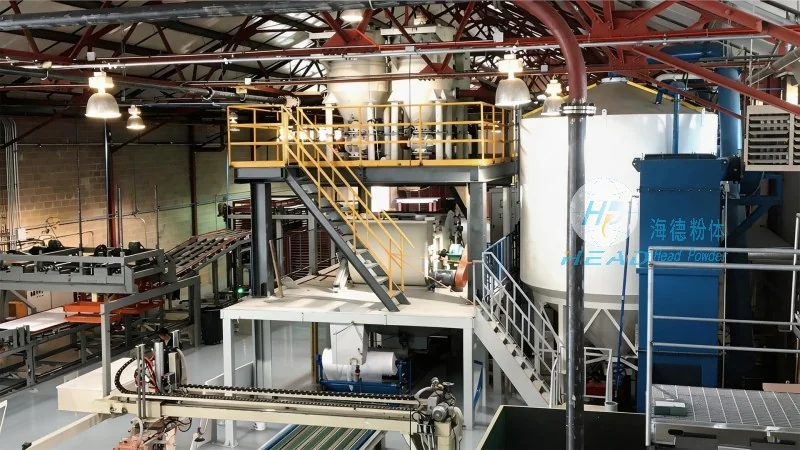
Benefits of Using Textile Fiber Powder Handling Equipment
Implementing textile fiber powder handling equipment offers several benefits for textile manufacturers. Firstly, it enhances operational efficiency by ensuring a continuous and controlled flow of material, reducing downtime and increasing production throughput. Secondly, it improves material handling safety by minimizing manual handling of fiber powders, which can be dusty and potentially hazardous. Thirdly, it helps maintain material quality by preventing contamination and ensuring consistent particle size distribution. Additionally, these systems can reduce waste by optimizing material usage and minimizing losses during transport. Overall, textile fiber powder handling equipment is a critical investment for textile manufacturers seeking to improve their operational performance and maintain high-quality standards.
Conclusion
In summary, textile fiber powder handling equipment is a vital component in modern textile manufacturing, designed to efficiently transport and manage fiber powders. The design principles behind these systems focus on efficiency, reliability, and safety, with components working together to ensure smooth operation. Companies like Shandong HeadPowder Engineering Co., Ltd. play a key role in providing advanced solutions that meet the evolving needs of the textile industry. By investing in such equipment, textile manufacturers can enhance their operational efficiency, improve material quality, and ensure a safe working environment.