

What is Negative Electrode Material Powder Conveying Equipment? Understanding Its Design Principles
For businesses involved in the production of negative electrode materials for lithium-ion batteries, the efficient and reliable handling of powders is a critical aspect of the manufacturing process. This article explores the concept of negative electrode material powder conveying equipment, detailing its design principles and how it supports the production workflow.
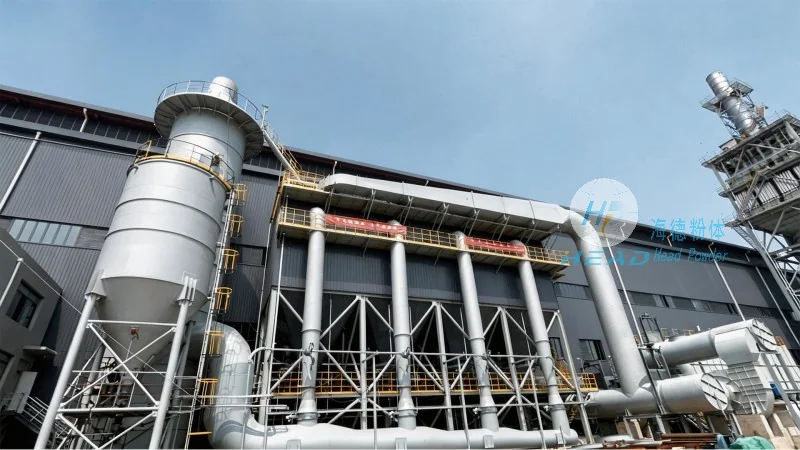
Introduction to Negative Electrode Material Powder Conveying Equipment
Negative electrode material powder conveying equipment is specialized machinery designed to transport and handle fine powders used in the production of battery negative electrodes. These materials, often including graphite, silicon, or other carbon-based compounds, require precise handling to maintain particle integrity and prevent contamination. The equipment plays a vital role in ensuring that raw materials are efficiently moved from storage to processing units, and subsequently to packaging or further processing stages.
Key Components and Design Principles
The design of negative electrode material powder conveying equipment is built around several core principles to ensure optimal performance. One of the primary considerations is the need to minimize particle degradation during transport. This is achieved through the use of low-friction components and gentle handling mechanisms, such as pneumatic conveying systems or screw conveyors that reduce mechanical stress on the powder particles. Additionally, the equipment is engineered to maintain a controlled environment, often incorporating dust collection and filtration systems to prevent airborne contamination and ensure compliance with safety and environmental regulations. Shandong HeadPowder Engineering Co., Ltd. (headpowder), a leading manufacturer in this field, has incorporated these principles into their equipment, ensuring that each component is carefully selected to handle the unique challenges of negative electrode material processing.
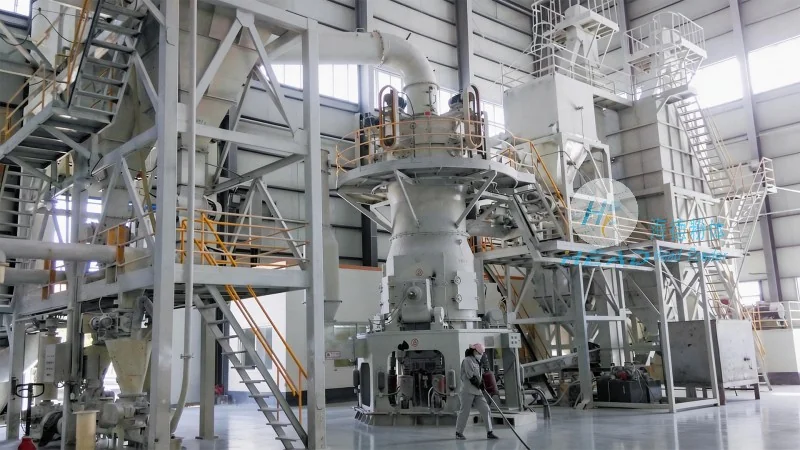
Another critical design principle is the ability to handle varying particle sizes and densities. Different negative electrode materials may have distinct physical properties, and the conveying system must be adaptable to accommodate these variations. This flexibility is typically achieved through adjustable speed controls, variable pressure settings, and modular components that can be reconfigured as production needs change. The equipment also prioritizes material compatibility, using materials like stainless steel or specialized plastics that are resistant to chemical reactions with the powders being transported.
How the Equipment Works: A Step-by-Step Overview
The operation of negative electrode material powder conveying equipment generally follows a systematic process. First, the raw powder is loaded into a hopper or storage silo. From there, it is transferred to a conveying unit, which may use air pressure (pneumatic) or mechanical force (screw or belt conveyors) to move the material. The conveying system ensures that the powder moves smoothly through the system, with minimal segregation or agglomeration. At key points in the process, the equipment may include feeding mechanisms or distributors that evenly distribute the powder to downstream processing equipment, such as mixers or extruders.
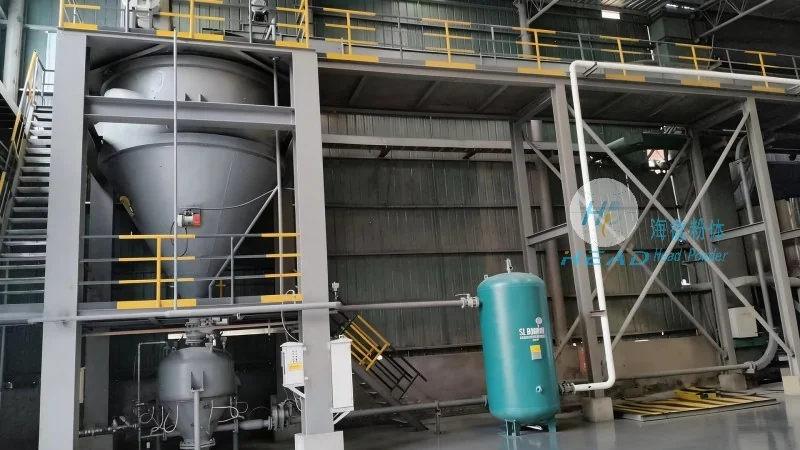
During transport, the equipment monitors flow rates and pressure to maintain consistent performance. If any issues arise, such as blockages or pressure drops, the system may have built-in safety features like alarms or automatic shut-offs to prevent damage to the equipment or contamination of the product. The final stage involves delivering the powder to the next processing step or to a storage container, ensuring that the material is ready for the subsequent stages of battery production.
Benefits of Using Specialized Conveying Equipment
Investing in specialized negative electrode material powder conveying equipment offers several advantages for manufacturers. First, it enhances production efficiency by reducing downtime and ensuring a steady supply of materials. The equipment minimizes the risk of material loss or contamination, which can lead to costly rework or product recalls. Additionally, the controlled environment and gentle handling reduce particle degradation, preserving the quality and performance characteristics of the negative electrode material. This, in turn, contributes to higher battery performance and longer cycle life. As a manufacturer of high-quality conveying solutions, Shandong HeadPowder Engineering Co., Ltd. (headpowder) understands these benefits and has designed their equipment to deliver consistent performance and reliability.
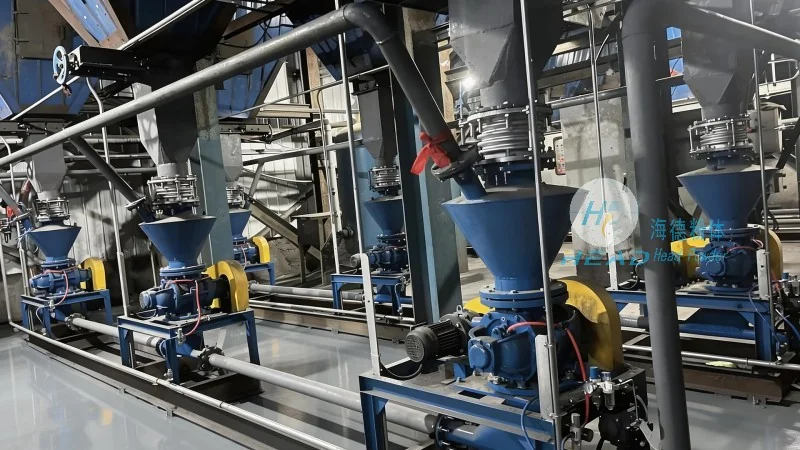
From a safety perspective, the equipment is designed to minimize dust exposure and prevent the accumulation of flammable powders, reducing the risk of fire or explosion hazards. The use of enclosed systems and filtration also helps maintain a clean working environment, improving worker safety and compliance with occupational health regulations. Finally, the modular and adaptable design of the equipment allows manufacturers to scale their operations as production needs grow, providing a flexible solution that can evolve with changing market demands.
Conclusion
Negative electrode material powder conveying equipment is a critical component of the battery manufacturing process, ensuring the efficient and safe handling of raw materials. By understanding its design principles and operational capabilities, manufacturers can optimize their production lines, improve product quality, and enhance overall operational efficiency. For companies operating in the lithium-ion battery industry, investing in high-quality conveying equipment is essential for maintaining competitiveness and meeting the demands of a rapidly evolving market.