Exploring the Corn Kernels Material Conveying Line: Design Principles and Functional Aspects
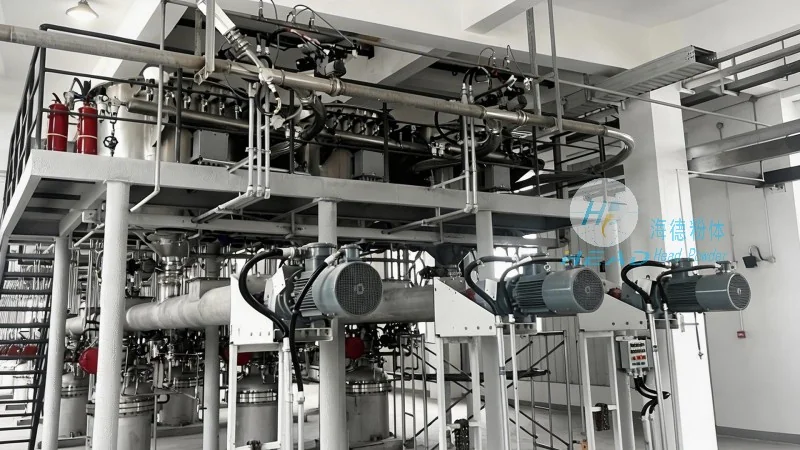
Introduction to Corn Kernels Material Conveying Lines
A corn kernels material conveying line is an industrial system engineered to transport corn kernels efficiently through various processing stages. This system is vital in the corn processing industry, ensuring raw corn kernels are moved safely and effectively from storage to subsequent operations like cleaning, drying, and packaging. The design of these conveying lines is tailored to handle the physical characteristics of corn kernels, such as size, shape, and moisture content, while maintaining high throughput and minimizing product damage.
Core Components of a Corn Kernels Material Conveying Line
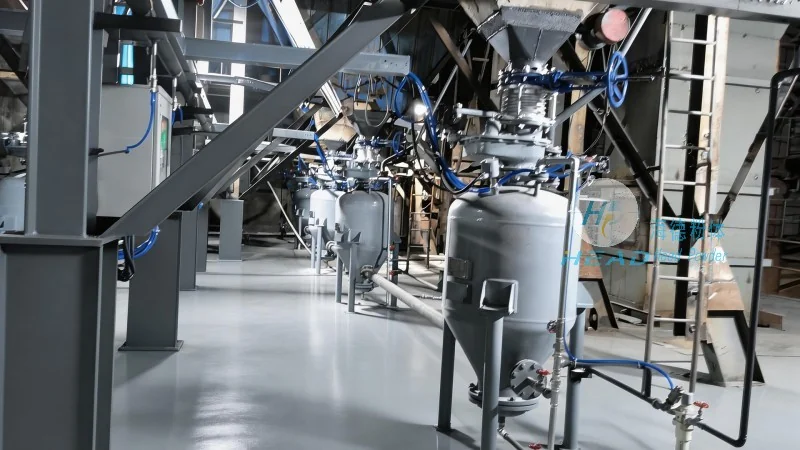
The fundamental components of a corn kernels material conveying line typically include feed hoppers, conveyors (including belt conveyors, screw conveyors, and pneumatic conveyors), and control systems. Feed hoppers are used to store and feed corn kernels into the conveying system, ensuring a consistent flow. Conveyors are the primary transport mechanisms, with each type selected based on processing needs. For example, belt conveyors are suitable for transporting large quantities over short to medium distances, while screw conveyors excel at vertical or inclined transport. Pneumatic conveyors use air pressure to move kernels, ideal for handling fine or dusty materials.
Design Principles for Optimal Material Handling
The design principles of a corn kernels material conveying line focus on efficiency, product integrity, and safety. A key principle is matching conveyor types to the physical properties of corn kernels. For instance, when dealing with wet or sticky kernels, a screw conveyor with a higher pitch or a belt conveyor with a smooth surface may be preferred to prevent clogging. Another critical principle is integrating cleaning and separation mechanisms. Many conveying lines incorporate screens or air classifiers to remove impurities like stones, dust, or foreign materials before kernels proceed to the next stage.
Operational Considerations and Maintenance
Operational efficiency of a corn kernels material conveying line depends on regular maintenance and proper management. Regular inspection of conveyor belts, screw mechanisms, and air systems is essential to prevent breakdowns and ensure consistent performance. Monitoring moisture content and temperature during transport is crucial, as excessive moisture can lead to mold growth or spoilage. The design also prioritizes easy access for maintenance, such as removable conveyor sections or accessible drive units.
Applications and Industry Impact
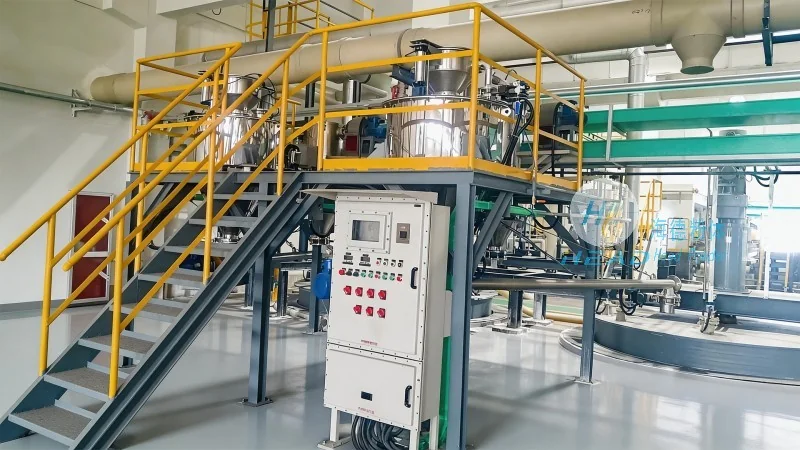
Corn kernels material conveying lines are widely used in stages from raw material reception to final product packaging. They are essential in feed mills (for animal feed production) and food processing plants (for corn oil, syrup, or starch production). The efficiency of these lines directly impacts overall plant productivity, as transport delays or inefficiencies can cause bottlenecks and increased costs.
Conclusion: Advanced Engineering in Corn Processing
In summary, a corn kernels material conveying line is a sophisticated system designed to address the unique challenges of corn processing. The design principles, component selection, and operational considerations all work together to ensure efficient, safe, and damage-free transport. As a leading provider, Shandong HeadPowder Engineering Co., Ltd. specializes in developing customized conveying solutions tailored to corn processing facilities, enhancing productivity and product quality in the industry.




