

What is Vanadium Oxide Material Handling? What are the Design Principles?
Vanadium oxide material handling refers to the process of transporting and managing vanadium oxide, a critical industrial material used in various applications such as battery technology, catalysts, and specialty chemicals. The efficient handling of this material is essential for ensuring safety, optimizing production efficiency, and maintaining product quality. This article explores the fundamental aspects of vanadium oxide material handling, including the key design principles that underpin effective systems.
Understanding Vanadium Oxide Material Handling
Vanadium oxide is a versatile compound with high reactivity and specific handling requirements. Unlike many bulk materials, vanadium oxide can be sensitive to moisture, temperature fluctuations, and exposure to air, which necessitates specialized handling methods. The primary goal of material handling systems for vanadium oxide is to minimize material degradation while ensuring safe and efficient transfer from storage to processing units. This involves careful consideration of material flow, equipment selection, and environmental controls.
Key Design Principles for Vanadium Oxide Handling Systems
The design of vanadium oxide material handling systems is guided by several critical principles that address the unique properties of the material and operational requirements. These principles include:
1. Airtight and Moisture-Resistant Design: Vanadium oxide is hygroscopic and can react with moisture, leading to degradation or hazardous conditions. Therefore, all handling equipment, including conveyors, storage silos, and transfer points, must be designed to be airtight and moisture-resistant. This often involves the use of sealed containers, vacuum systems, or inert gas purging to maintain a dry and controlled environment.
2. Temperature Control: Temperature fluctuations can affect the physical properties and reactivity of vanadium oxide. Design systems incorporate temperature regulation mechanisms, such as insulated pipelines, heated or cooled storage areas, and temperature monitoring sensors. This ensures that the material remains in its optimal state throughout the handling process.
3. Minimal Material Exposure: To prevent contamination and maintain product purity, material handling systems minimize the time and surface area of material exposure to the environment. This is achieved through enclosed conveyor systems, automated transfer mechanisms, and closed-loop processing. The use of dust collection systems and filtration also helps to contain any airborne particles and maintain a clean working environment.
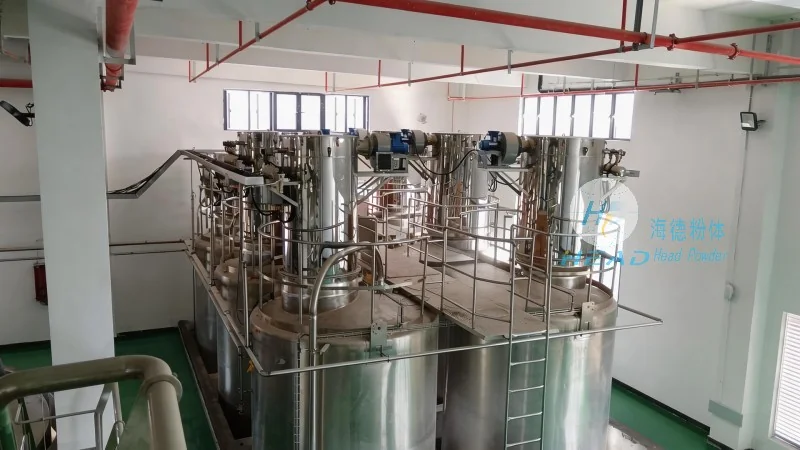
4. Equipment Durability and Corrosion Resistance: Vanadium oxide can be abrasive and corrosive to certain materials. Handling equipment must be constructed from durable, corrosion-resistant materials, such as stainless steel or specialized alloys, to withstand the material's effects and ensure long-term reliability.
Components of a Typical Vanadium Oxide Material Handling System
A comprehensive vanadium oxide material handling system typically includes several interconnected components, each designed to fulfill specific functions while adhering to the aforementioned principles. These components include:
1. Storage Silos and Hoppers: These are large, airtight containers used to store vanadium oxide in bulk. They are often equipped with level sensors, temperature monitors, and airtight seals to maintain material integrity. The design of silos may also incorporate vibration dampening to prevent material bridging or caking.
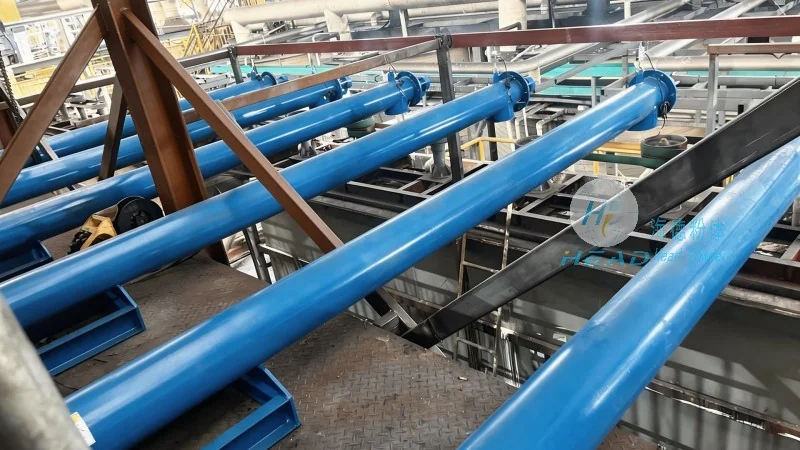
2. Conveying Systems: Conveyors are used to transport vanadium oxide from storage to processing units. Common types include screw conveyors, belt conveyors, and pneumatic conveying systems. The choice of conveyor depends on the material's characteristics, such as flowability and moisture content. For vanadium oxide, enclosed and sealed conveyors are preferred to prevent contamination and exposure to the environment.
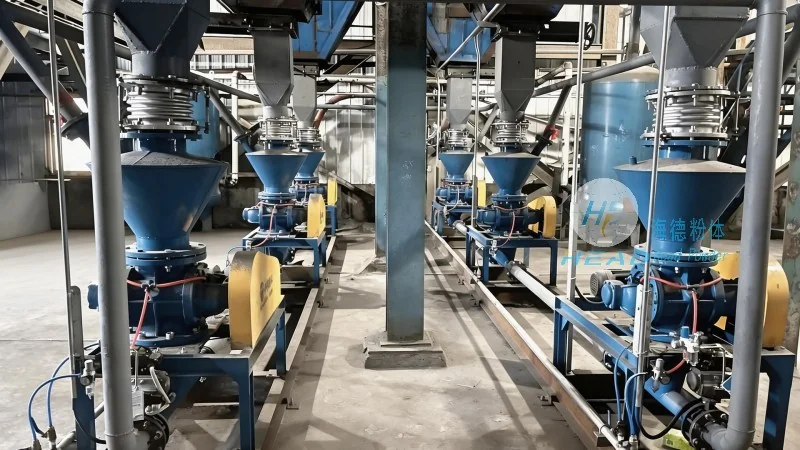
3. Transfer and Metering Equipment: This includes devices like rotary valves, feeders, and dosing systems that control the flow rate and distribution of vanadium oxide. These components are critical for precise material measurement and uniform feeding into downstream processes. They are often integrated with control systems to ensure consistent operation.
4. Dust Collection and Filtration Systems: Due to the fine nature of vanadium oxide, dust generation is a concern during handling. Dust collection systems, such as baghouses or cartridge filters, are installed to capture and remove airborne particles, protecting both the material and the environment. These systems are designed to operate under the same airtight conditions as the handling equipment.
Safety Considerations in Vanadium Oxide Material Handling
Given the potential hazards associated with vanadium oxide, safety is a paramount consideration in its material handling. Design systems incorporate multiple safety features, including:
1. Explosion Protection: Vanadium oxide can be a fire or explosion hazard under certain conditions. Systems may include explosion-proof electrical components, pressure relief valves, and inert gas systems to mitigate these risks.
2. Personal Protective Equipment (PPE) and Training: Operators handling vanadium oxide must be equipped with appropriate PPE, such as respirators, gloves, and protective clothing. Regular training is essential to ensure that personnel understand the material's properties and the proper handling procedures.
3. Emergency Response Planning: Comprehensive emergency response plans are developed to address potential incidents, such as material spills or equipment failures. These plans include procedures for containment, cleanup, and medical response.
Conclusion
The effective handling of vanadium oxide requires a systematic approach that integrates design principles focused on material integrity, safety, and operational efficiency. By adhering to airtight and moisture-resistant designs, temperature control, minimal exposure, and durable equipment, material handling systems can ensure the safe and reliable transport of vanadium oxide. The components of such systems, including storage silos, conveyors, and dust collection equipment, work in concert to maintain product quality and protect personnel and the environment. As a leading provider in this field, Shandong HeadPowder Engineering Co., Ltd. specializes in designing and implementing tailored material handling solutions that meet the unique needs of vanadium oxide applications, ensuring optimal performance and compliance with industry standards.