Aggregate pneumatic conveying systems are critical in industrial operations for the efficient transport of bulk materials such as aggregates. These systems utilize air or gas as the conveying medium to move materials from one location to another, offering advantages like reduced dust, minimal maintenance, and the ability to handle diverse material types. Understanding the classification and composition of these systems is essential for selecting the optimal solution for specific industrial requirements.
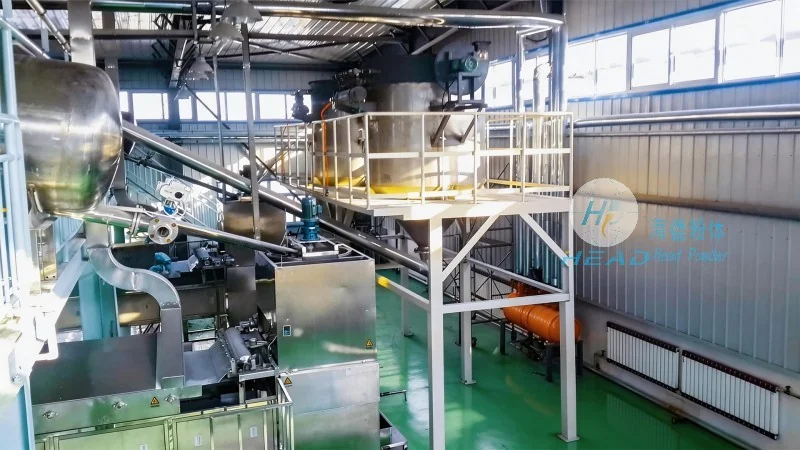
Classification of Aggregate Pneumatic Conveying Systems
Aggregate pneumatic conveying systems can be classified based on factors including operational pressure, material characteristics, and system design. The primary classifications include positive pressure systems, negative pressure (vacuum) systems, and mixed pressure systems. Each type has distinct operational characteristics and is suited for different applications.
Positive Pressure Systems
Positive pressure systems operate by blowing air or gas into the conveying line, creating a pressure higher than ambient air pressure. This method is commonly used for long-distance or high-capacity material transport. The system typically includes a blower or compressor to generate the necessary pressure, ensuring material is propelled through the pipeline. Positive pressure systems are often preferred for abrasive or corrosive materials, as they minimize material degradation and provide better control over the conveying process.
Negative Pressure (Vacuum) Systems
Negative pressure systems, or vacuum systems, operate by creating a vacuum in the conveying line, drawing material from the source into the system. This approach is ideal for applications requiring dust-free environments or when material needs to be transported from multiple points to a central collection point. The system includes a vacuum pump or fan that pulls air and material through the pipeline, with material separation occurring at the receiver end. Negative pressure systems are commonly used in food processing, pharmaceuticals, and other industries where product purity is critical.
Mixed Pressure Systems
Mixed pressure systems combine elements of both positive and negative pressure systems. They use a combination of a blower and a vacuum pump to achieve optimal conveying performance. This type is versatile and suitable for a wide range of materials and distances, making it ideal for complex conveying tasks. Mixed pressure systems are often used in cement plants or large-scale mining operations where both long-distance transport and material recovery are required.
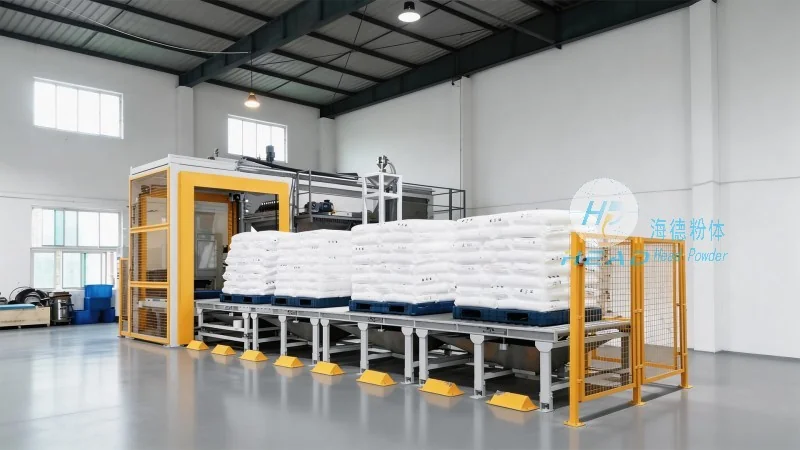
Components of Aggregate Pneumatic Conveying Systems
Regardless of classification, aggregate pneumatic conveying systems consist of core components that work together for efficient material transport. These include the material feed system, conveying pipeline, separation and collection equipment, and the air or gas supply system.
Material Feed System
The material feed system introduces aggregate material into the conveying line. This component varies based on material characteristics and system design. Common feed methods include rotary valves, screw feeders, and pressure vessels. The feed system ensures consistent material flow into the pipeline, preventing blockages and maintaining efficiency. For example, rotary valves are used for dry, free-flowing materials, while screw feeders handle more cohesive or wet materials.
Conveying Pipeline
The conveying pipeline is the primary pathway for material and air, typically made of stainless steel or corrosion-resistant materials to withstand abrasive aggregates. Pipeline design—including diameter, length, and bends—significantly impacts performance. Proper sizing ensures material is conveyed at desired velocity without excessive pressure drop or degradation. Bends and elbows are carefully designed to minimize friction losses and maintain flow, often incorporating smooth transitions and minimal pressure drop.
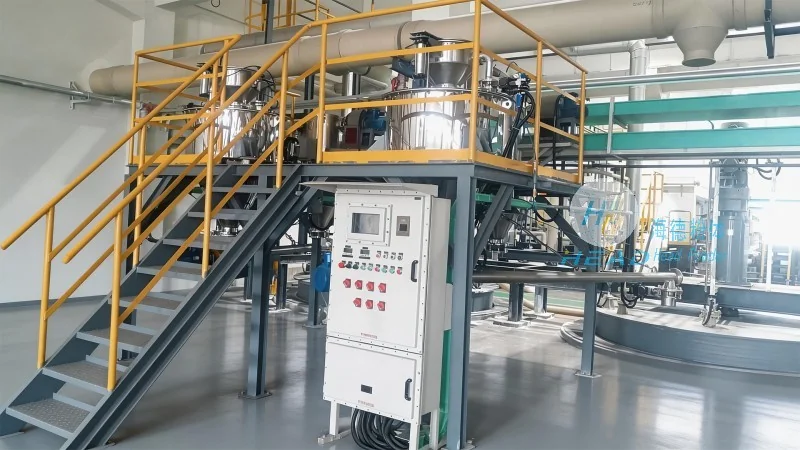
Separation and Collection Equipment
At the receiving end, separation and collection equipment separates material from air. This component is critical for maintaining product purity and controlling dust emissions. Common methods include cyclone separators, bag filters, and electrostatic precipitators. Cyclone separators use centrifugal force for larger particles, while bag filters trap fine dust in filter bags. The choice depends on material size, density, and required dust control. For example, cyclones are effective for coarse particles, and bag filters provide high efficiency for fine dust removal.
Air or Gas Supply System
The air or gas supply system provides the necessary pressure or vacuum. It includes the blower, compressor, or vacuum pump, along with controls and filters. The blower or compressor is selected based on pressure requirements and material properties. For positive pressure systems, a high-pressure blower generates pressure; for negative pressure systems, a vacuum pump creates the vacuum. The system also includes filters to remove air contaminants, ensuring material remains clean and free from debris.
Applications and Benefits
Aggregate pneumatic conveying systems are widely used in construction, mining, food processing, and pharmaceuticals. Benefits include reduced labor costs, enhanced safety from manual handling, and improved product quality through controlled conveying. In construction, these systems transport sand, gravel, and aggregates from storage to mixing plants. In mining, they move ore from mines to processing facilities. The ability to handle abrasive materials without significant equipment wear makes these systems cost-effective long-term.
Shandong HeadPowder Engineering Co., Ltd., a leading manufacturer, specializes in designing and manufacturing high-quality aggregate pneumatic conveying systems. With years of experience and a commitment to innovation, the company provides customized solutions tailored to client needs. HeadPowder's systems are known for reliability, efficiency, and durability, ensuring optimal performance for industrial applications. The company's headquarters is located in Shandong, China, where it operates a state-of-the-art manufacturing facility and research center.




