Wheat bran, a byproduct of wheat milling, is widely used in food processing, animal feed production, and other industrial applications. Efficient and reliable material handling is crucial for optimizing the workflow in these industries. Pneumatic conveying systems have emerged as a preferred solution for transporting wheat bran due to their ability to handle fine powders and granular materials with minimal dust generation and low maintenance requirements. This article provides an overview of the classification and key components of wheat bran pneumatic conveying systems, highlighting the technological advancements and practical applications in modern processing facilities. HeadPowder, a leading manufacturer based in Shandong, China, specializes in designing and manufacturing high-quality pneumatic conveying systems tailored to the specific needs of wheat bran processing industries.
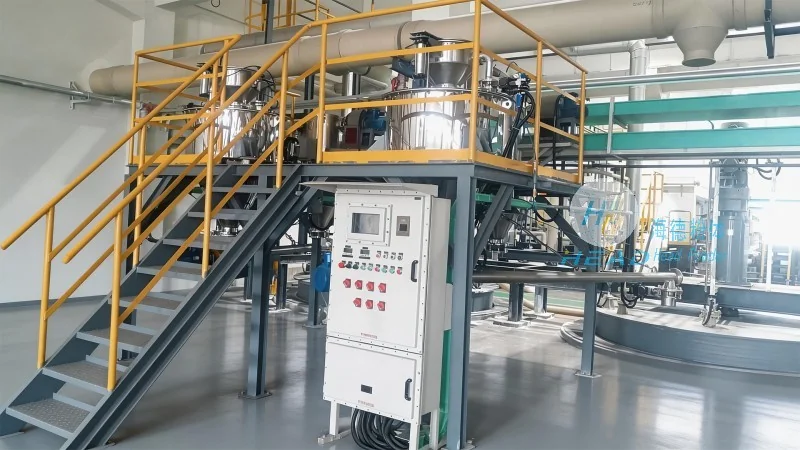
Classification of Pneumatic Conveying Systems for Wheat Bran
Wheat bran pneumatic conveying systems can be broadly classified into two main categories based on the direction of material flow and the driving force used: suction (or negative pressure) systems and pressure (or positive pressure) systems. Each type has distinct characteristics and is suitable for different operational scenarios.
Suction systems operate by creating a negative pressure in the conveying line, drawing material from the source into the system. These systems are typically used for short to medium distance transport and are ideal for applications where the material is located at a higher elevation or needs to be collected from multiple points. The primary components of a suction system include a vacuum pump, a feed hopper with a rotary valve, and a separation unit at the discharge end. The vacuum pump generates the necessary negative pressure to pull the material through the pipeline, while the rotary valve controls the flow rate and prevents backflow. The separation unit, often a cyclone or a bag filter, removes any entrained air and separates the wheat bran from the exhaust gas.
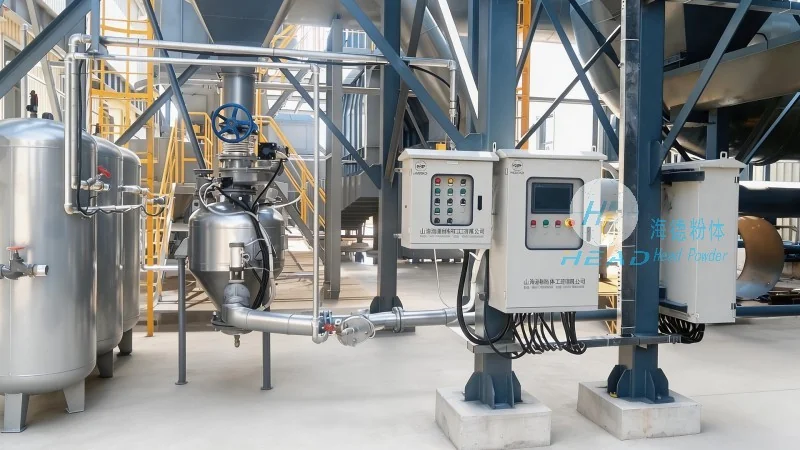
Pressure systems, on the other hand, use a positive pressure to push the material through the conveying line. These systems are more suitable for longer distance transport and can handle higher material loads. A pressure system typically consists of a blower or a positive displacement pump, a feed hopper with a rotary valve, and a discharge unit equipped with a filter or a cyclone. The blower provides the positive pressure, forcing the material through the pipeline. The rotary valve ensures a consistent flow of material into the system, and the discharge unit separates the wheat bran from the air and collects it in a storage bin or processing unit.
Within these main categories, there are further subtypes based on the type of air used and the conveying method. For example, dilute phase systems use a high volume of air to transport the material in a dispersed state, while dense phase systems use a lower volume of air to move the material in a slurry-like state. Dilute phase systems are commonly used for short to medium distances and are effective for fine powders like wheat bran. Dense phase systems are preferred for longer distances or when the material is more abrasive, as they reduce the risk of material degradation and equipment wear.
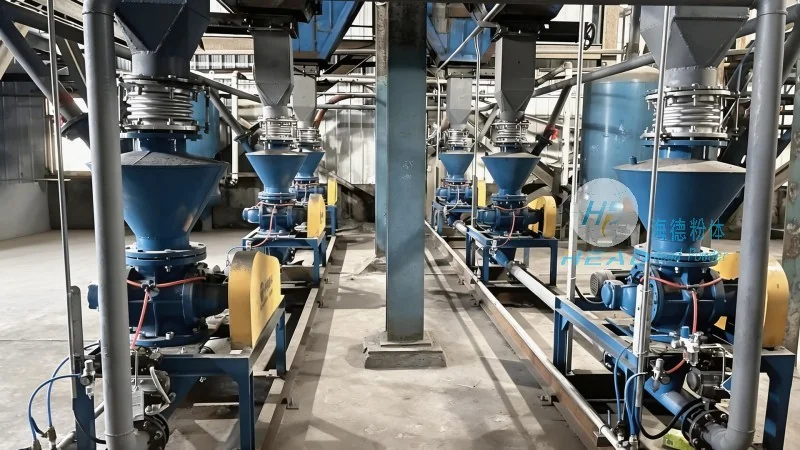
Key Components of Wheat Bran Pneumatic Conveying Systems
Regardless of the classification, a typical wheat bran pneumatic conveying system consists of several essential components that work in tandem to ensure efficient material transport. The main components include the feeding device, the conveying line, the air supply unit, the separation equipment, and the control system.
The feeding device is responsible for introducing the wheat bran into the system. It typically includes a hopper with a rotary valve or a screw feeder. The rotary valve, also known as a star valve, controls the flow rate by rotating and allowing material to pass through the opening. This ensures a consistent and controlled feed, preventing overloading or underloading of the system. The hopper is designed to store a sufficient quantity of wheat bran and may include a level indicator to monitor the material level.




