Caustic soda, also known as sodium hydroxide, is a widely used chemical in various industrial processes. The efficient and safe transportation of caustic soda from production sites to processing units is crucial for maintaining operational efficiency and ensuring product quality. Pneumatic conveying systems have emerged as a reliable method for handling caustic soda, offering advantages such as reduced dust generation, improved safety, and enhanced process control. This article provides an overview of the classification and key components of caustic soda pneumatic conveying systems, with a focus on the solutions offered by Shandong HeadPowder Engineering Co., Ltd., a leading provider in the field.
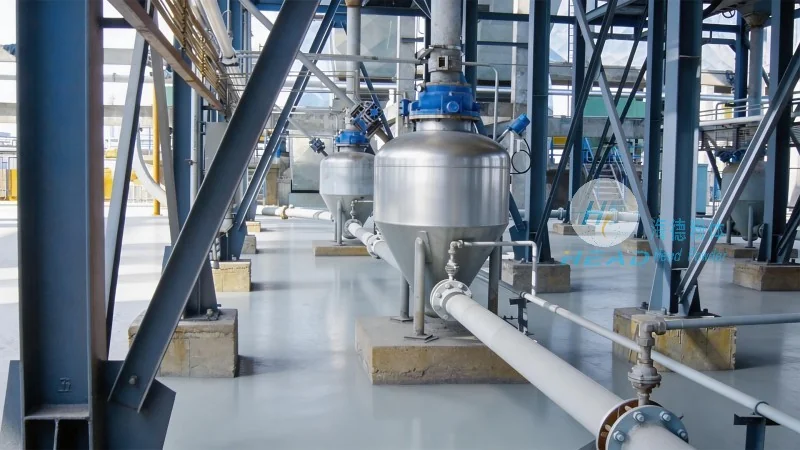
Classification of Caustic Soda Pneumatic Conveying Systems
Pneumatic conveying systems for caustic soda can be broadly classified into two main categories based on the pressure within the system: positive pressure systems and negative pressure systems. Each type has distinct characteristics and applications, catering to different operational requirements and material handling needs.
Positive Pressure Systems
Positive pressure systems operate by blowing air or other gas into the conveying line, creating a pressure higher than the ambient air pressure. This method is particularly suitable for handling caustic soda in bulk quantities, as it allows for continuous and high-volume material transport. The primary components of a positive pressure system include a blower or compressor, a feeding device, a conveying pipeline, a separation unit, and a receiving hopper. The blower provides the necessary pressure to move the caustic soda particles through the pipeline, while the feeding device ensures consistent and controlled material introduction. The conveying pipeline is typically made of corrosion-resistant materials like stainless steel or special alloys to withstand the chemical properties of caustic soda. The separation unit, often a cyclone or a bag filter, separates the caustic soda from the air stream, and the receiving hopper collects the material for further processing. Positive pressure systems are commonly used in industries where high throughput and reliable operation are essential, such as in chemical manufacturing and food processing.
Negative Pressure Systems
Negative pressure systems, also known as suction systems, operate by creating a vacuum in the conveying line, drawing the caustic soda particles into the system. This approach is advantageous for applications where dust control is critical and where the material needs to be transported from a source to a destination with minimal pressure differentials. The key components of a negative pressure system include a vacuum pump, a feeding hopper, a conveying pipeline, a filter, and a receiving container. The vacuum pump generates the negative pressure, which pulls the caustic soda particles into the pipeline. The feeding hopper ensures a steady supply of material, and the filter removes any fine particles or contaminants from the air stream. The conveying pipeline is designed to handle the vacuum conditions, and the receiving container collects the material at the end of the process. Negative pressure systems are often preferred in environments where dust exposure needs to be minimized, such as in pharmaceutical or food processing facilities.
Key Components of Caustic Soda Pneumatic Conveying Systems
Regardless of the system type, caustic soda pneumatic conveying systems share several essential components that ensure their proper functioning and longevity. These components work in harmony to facilitate the safe and efficient transport of caustic soda. The main components include:
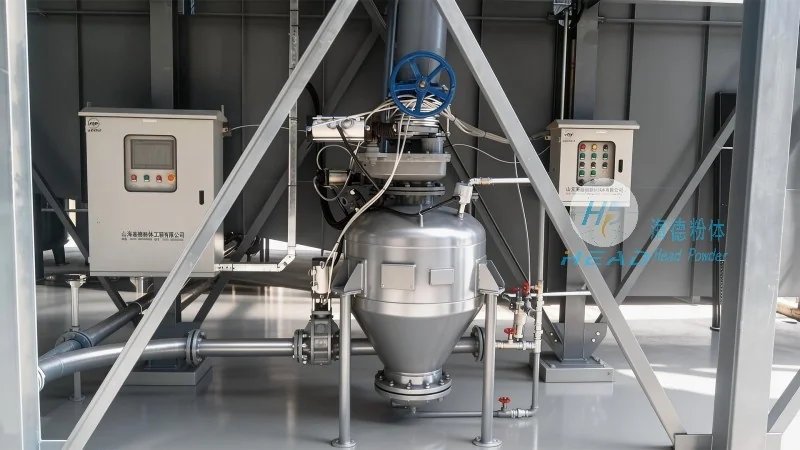
1. Feeding Device
The feeding device is responsible for introducing caustic soda into the conveying system. It must be designed to handle the material's properties, such as its moisture content, particle size, and flow characteristics. Common feeding devices include rotary valves, screw feeders, and vibratory feeders. These devices ensure a consistent and controlled flow of caustic soda, preventing blockages and maintaining system efficiency. The choice of feeding device depends on the specific application and the material's characteristics. For example, a rotary valve is suitable for handling dry, free-flowing caustic soda, while a screw feeder is ideal for handling wet or sticky materials.
2. Conveying Pipeline
The conveying pipeline is the core of the pneumatic system, responsible for transporting the caustic soda particles from the source to the destination. It is typically made of high-quality stainless steel or other corrosion-resistant materials to withstand the chemical and physical stresses of caustic soda. The pipeline is designed with appropriate bends and fittings to minimize pressure losses and ensure smooth material flow. The diameter and length of the pipeline are critical factors that affect the system's performance. Proper sizing of the pipeline ensures that the caustic soda particles are conveyed at the desired velocity without causing excessive wear or blockages. The pipeline also includes pressure relief valves and check valves to prevent backflow and maintain system safety.
3. Separation Unit
The separation unit is a crucial component that separates the caustic soda from the air stream after it has been conveyed. This unit is essential for maintaining the purity of the material and ensuring that the air is safely discharged. Common separation methods include cyclone separators, bag filters, and cartridge filters. Cyclone separators use centrifugal force to separate the particles from the air, while bag filters trap the particles in fabric bags. The choice of separation unit depends on the particle size and the required level of filtration. For caustic soda applications, a combination of cyclone and bag filter is often used to achieve high efficiency and reliability. The separation unit is typically located at the end of the conveying line, near the receiving hopper, and is designed to handle the pressure and temperature conditions of the system.
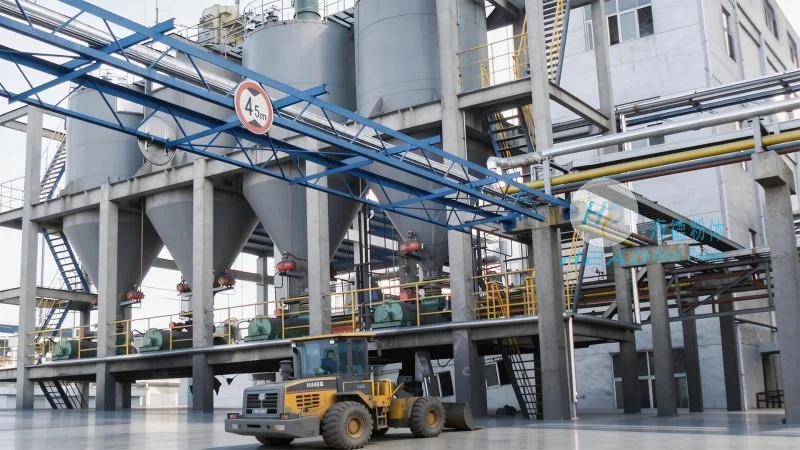
4. Receiving and Storage
The receiving and storage system is responsible for collecting the caustic soda after it has been separated from the air stream. This system includes a receiving hopper or tank, which is designed to hold the material until it is further processed or transported. The receiving hopper is typically made of corrosion-resistant materials and is equipped with level indicators and discharge valves. The storage system may also include a silo or a tank for longer-term storage, depending on the application requirements. Proper design of the receiving and storage system ensures that the caustic soda is stored safely and efficiently, minimizing the risk of contamination or leakage. The system is also designed to facilitate easy access for maintenance and cleaning, ensuring long-term operational reliability.
5. Control and Monitoring Systems
Control and monitoring systems are essential for ensuring the safe and efficient operation of caustic soda pneumatic conveying systems. These systems include sensors, controllers, and alarms that monitor key parameters such as pressure, flow rate, temperature, and air quality. The control system regulates the operation of the blower or vacuum pump, feeding device, and separation unit to maintain optimal performance. It also provides real-time data and alerts in case of any abnormalities or failures. For example, pressure sensors can detect blockages or leaks in the pipeline, while flow sensors can monitor the material's velocity. The monitoring system helps operators to identify and resolve issues promptly, reducing downtime and improving overall system efficiency. The control and monitoring systems are typically integrated with the other components of the system to create a cohesive and automated operation.
Applications and Benefits of Caustic Soda Pneumatic Conveying Systems
Caustic soda pneumatic conveying systems are widely used in various industries due to their versatility and efficiency. The systems are particularly suitable for applications where caustic soda needs to be transported over long distances or in large quantities. Some of the key benefits of using pneumatic conveying systems for caustic soda include:
1. Enhanced Safety
Pneumatic conveying systems offer improved safety compared to traditional methods such as manual handling or mechanical conveyors. The systems minimize the risk of dust exposure and chemical contact, as the caustic soda is contained within the pipeline and separated from the air stream. This reduces the risk of respiratory issues or skin irritation among workers. Additionally, the systems are equipped with safety features such as pressure relief valves and emergency shut-off mechanisms to prevent accidents and ensure worker safety.




