Shandong HeadPowder Engineering Co., Ltd., a prominent engineering firm headquartered in Shandong, China, specializes in the development and manufacturing of advanced corn pneumatic conveying systems. These systems are crucial for the efficient and safe transportation of corn and other bulk agricultural products across various industrial and agricultural settings. The company's commitment to innovation and quality ensures that their solutions meet the highest standards of performance, durability, and reliability, catering to the diverse needs of clients in the food processing, biofuel, and agricultural sectors.
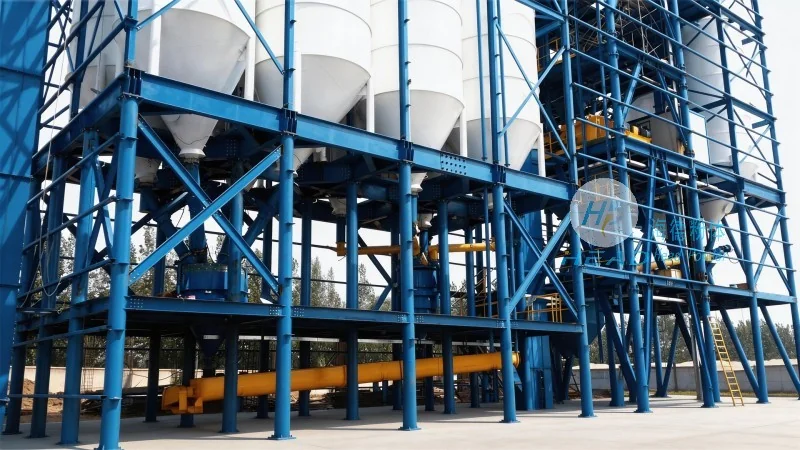
Classification of Corn Pneumatic Conveying Systems
Corn pneumatic conveying systems are typically classified based on the operational principle and the method of material transport. The primary categories include pressure systems, vacuum systems, and mixed (or combined) systems. Pressure systems utilize compressed air to force the material through the pipeline, making them suitable for short to medium conveying distances and high material flow rates. Vacuum systems, on the other hand, employ a vacuum to draw the material into the system, which is ideal for long-distance transport and handling lighter materials. Mixed systems combine both pressure and vacuum mechanisms, offering flexibility in handling different material types and conveying conditions. Each classification has distinct characteristics that make it suitable for specific applications, such as moving corn from storage silos to processing facilities or transporting it over several kilometers to distant processing plants.
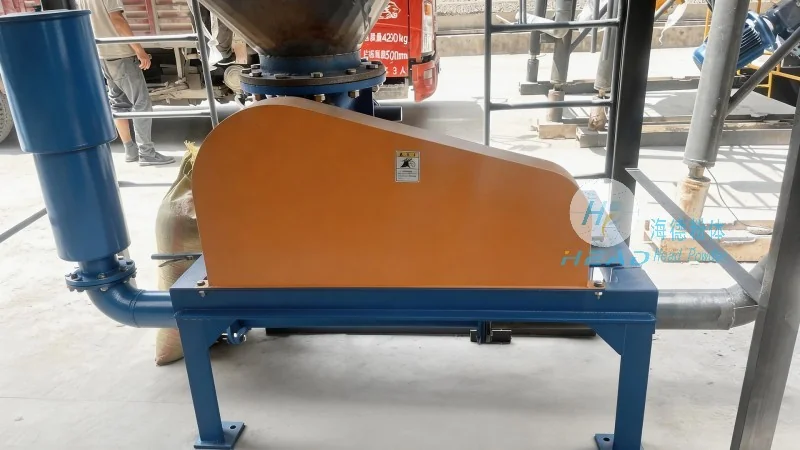
Key Components of Corn Pneumatic Conveying Systems
The corn pneumatic conveying system comprises several essential components that work in tandem to ensure smooth operation. The primary components include the hopper, which serves as the material storage and feeding unit, ensuring a consistent flow of corn into the system. The air compressor or vacuum pump generates the necessary pressure or vacuum to move the material through the pipeline. The pipeline network, made of durable materials like stainless steel or high-density polyethylene, transports the corn and air mixture. The control system, equipped with sensors and valves, regulates the flow rate, pressure, and vacuum levels to maintain optimal operation. The receiver, or discharge hopper, collects the delivered corn. Each component is critical to the system's performance; for example, the hopper design affects the feeding efficiency and prevents material bridging, while the air compressor's capacity determines the conveying distance and speed. The control system ensures that the system operates within safe parameters, preventing issues like blockages or excessive pressure that could lead to system failure.
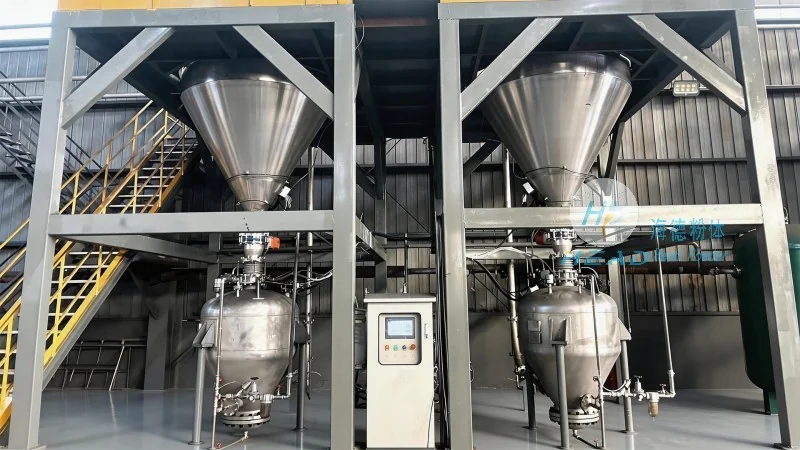
Design Considerations for Efficient Corn Conveying
Designing an effective corn pneumatic conveying system requires careful consideration of several factors to ensure optimal performance and longevity. These factors include the type of corn being handled (e.g., dried corn, wet corn), the required conveying distance, the desired flow rate, and the operating environment (e.g., indoor or outdoor use). The material of construction is also a critical design choice, as it must resist corrosion from corn and moisture, as well as withstand the pressure or vacuum conditions. Stainless steel is commonly used for components in direct contact with the corn to prevent contamination and ensure hygiene. The system's layout and component placement are also important, as they impact the overall efficiency and maintenance requirements. Proper design minimizes energy consumption, reduces downtime, and ensures that the system can handle variations in material properties without compromising performance. For instance, the pipeline diameter and length are calculated based on the material's density and the required flow rate to avoid excessive pressure drops or material degradation.




