Classification and Composition of Bentonite Pneumatic Conveying Systems
Release time:2026-09-14 10:38:20
name of the company:Shandong Headpowder Engineering Co., Ltd.
telephone:156-6277-7102
contacts:Zhang manager
Understanding the classification and composition of bentonite pneumatic conveying systems is crucial for industries that rely on efficient material handling solutions. These systems are designed to transport bentonite, a versatile clay mineral, through a pneumatic process, offering advantages such as reduced contamination, improved safety, and enhanced operational efficiency. The following sections provide a detailed overview of the classification and key components that make up these systems.
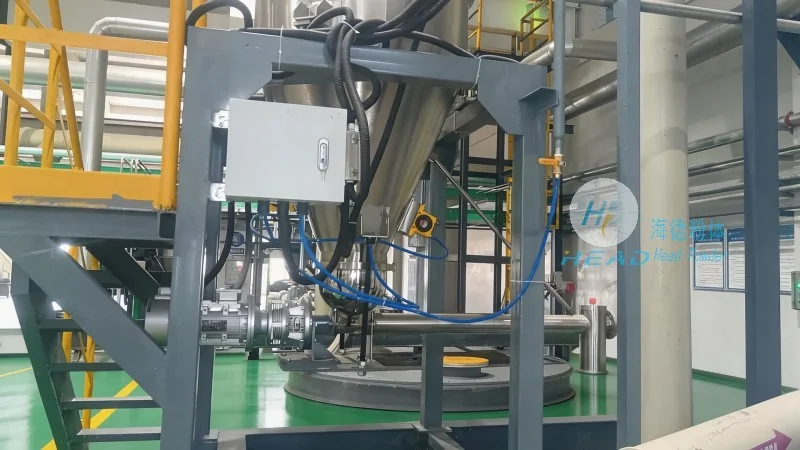
Classification of Bentonite Pneumatic Conveying Systems
Bentonite pneumatic conveying systems can be classified based on several factors, including the type of conveying mechanism, the pressure used, and the application requirements. The primary classifications include:
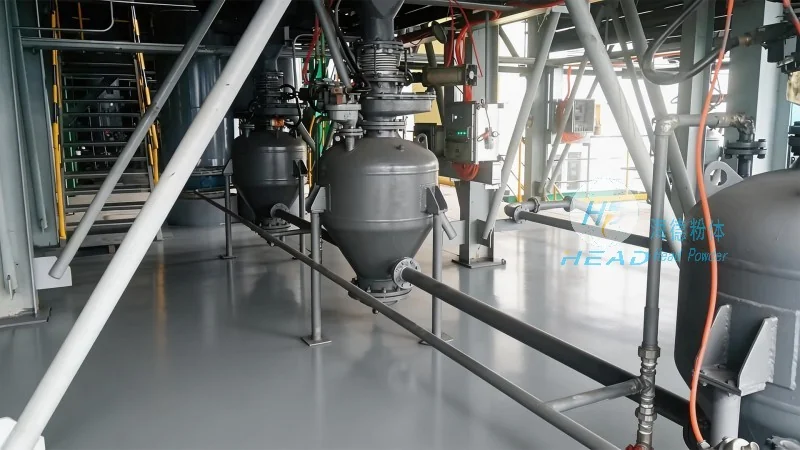
- Positive Pressure Systems: These systems use a blower or compressor to generate positive pressure, pushing the material through the pipeline. They are suitable for short to medium-distance transport and are commonly used in applications where the material is light and requires gentle handling.
- Negative Pressure (Vacuum) Systems: In contrast, negative pressure systems use a vacuum pump to create a suction effect, drawing the material into the pipeline. This type is ideal for long-distance transport and applications where the material is heavy or requires more force to move.
- Combined Pressure-Vacuum Systems: These systems integrate both positive and negative pressure capabilities, allowing for flexible operation under varying conditions. They are often used in complex conveying networks that require both pushing and pulling actions.
Another classification approach is based on the material's flow characteristics. For bentonite, which can exhibit both cohesive and non-cohesive behavior depending on moisture content, systems may be categorized as:
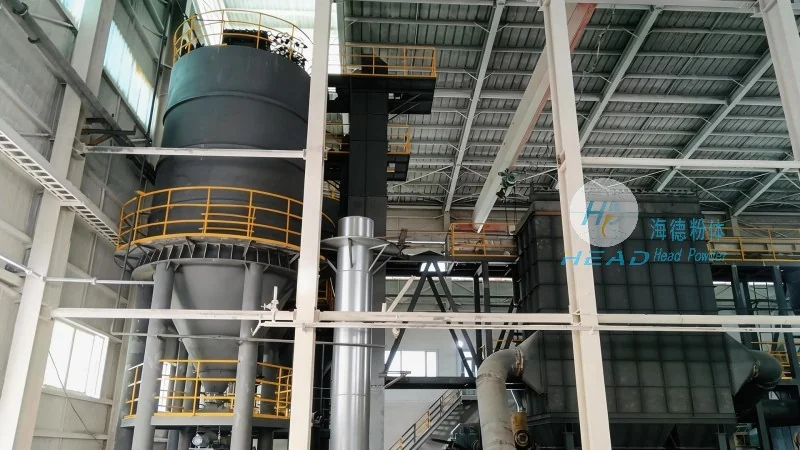
- Coaxial or Concentric Flow: In these systems, the air and material are conveyed in a coaxial manner, with the material flowing around the central air stream. This design is effective for handling fine powders like bentonite, as it minimizes particle separation and ensures consistent flow.
- Side Stream or Tangential Flow: Here, the material is introduced tangentially to the air stream, creating a swirling motion that helps maintain particle suspension. This method is particularly useful for materials with higher bulk density or those prone to settling.
Key Components of Bentonite Pneumatic Conveying Systems
The effective operation of a bentonite pneumatic conveying system relies on a combination of specialized components, each playing a critical role in the overall process. The main components include:
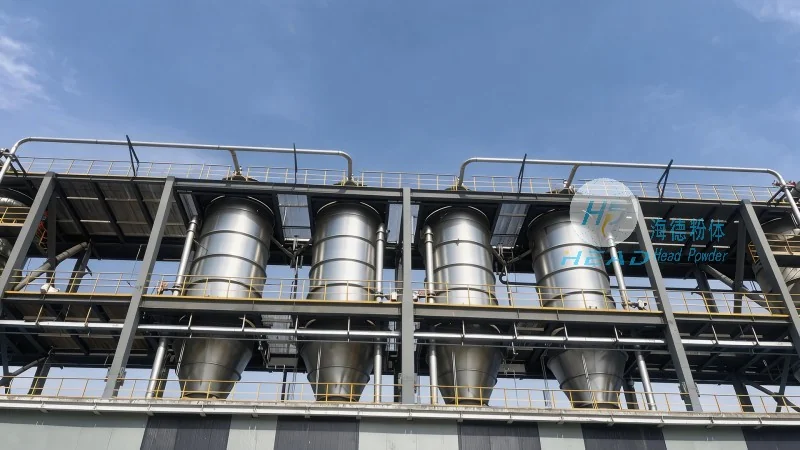
- Feeder: The feeder is responsible for accurately metering and feeding the bentonite into the conveying line. For fine powders like bentonite, a rotary valve or a screw feeder is commonly used to ensure a consistent flow rate and prevent blockages. The feeder must be designed to handle the material's cohesive properties, ensuring smooth and uninterrupted material discharge.
- Pneumatic Conveying Unit (PCU): This is the core component that generates the necessary air pressure or vacuum. The PCU can be a positive pressure blower, a vacuum pump, or a combination of both, depending on the system classification. It is responsible for creating the airflow that propels the bentonite through the pipeline. The selection of the PCU is critical, as it must match the system's capacity and the material's characteristics to ensure optimal performance.
- Pipeline System: The pipeline is the conduit through which the bentonite and air travel. It is typically made of stainless steel or other corrosion-resistant materials to withstand the abrasive nature of bentonite and the effects of moisture. The pipeline design, including the diameter and length, is carefully calculated to maintain the material's suspension and prevent pressure drops or blockages. elbows, tees, and other fittings are strategically placed to guide the flow and minimize turbulence.
- Receiver: The receiver is the terminal unit where the bentonite is deposited. It is designed to handle the material's settling behavior and prevent dust emissions. The receiver may include a hopper or a silo to store the material, with a discharge valve to control the release. Some receivers are equipped with dust collection systems to comply with environmental regulations and maintain a clean working environment.
- Control System: The control system manages the operation of the entire conveying process, ensuring that the feeder, PCU, and receiver work in harmony. It includes sensors and controllers that monitor parameters such as pressure, flow rate, and material level. The control system allows for automated operation, reducing the need for manual intervention and improving overall efficiency. It can also include safety features to prevent overpressure or vacuum conditions that could damage the system or pose a risk to personnel.
Company Information: Shandong HeadPowder Engineering Co., Ltd.
Headpowder, a leading manufacturer of bentonite pneumatic conveying systems, specializes in providing customized solutions for various industrial applications. With a strong focus on quality and innovation, the company has established itself as a trusted partner in the material handling industry. Headpowder's systems are designed to meet the specific needs of clients, ensuring reliable and efficient bentonite transport. The company's headquarters is located in Shandong, China, where it operates a state-of-the-art manufacturing facility and a dedicated research and development center. Headpowder's commitment to customer satisfaction and technical excellence has earned it a reputation for delivering high-performance pneumatic conveying systems that enhance operational efficiency and reduce costs for its clients.




