Classification and Composition of Magnesia Pneumatic Conveying Systems
Release time:2026-09-14 10:38:20
name of the company:Shandong Headpowder Engineering Co., Ltd.
telephone:156-6277-7102
contacts:Zhang manager
For industrial applications involving the handling of magnesia, efficient and reliable material transport is crucial. Pneumatic conveying systems offer a solution that combines performance with flexibility. This article explores the classification and key components of magnesia pneumatic conveying systems, providing insights into their design and operational principles.
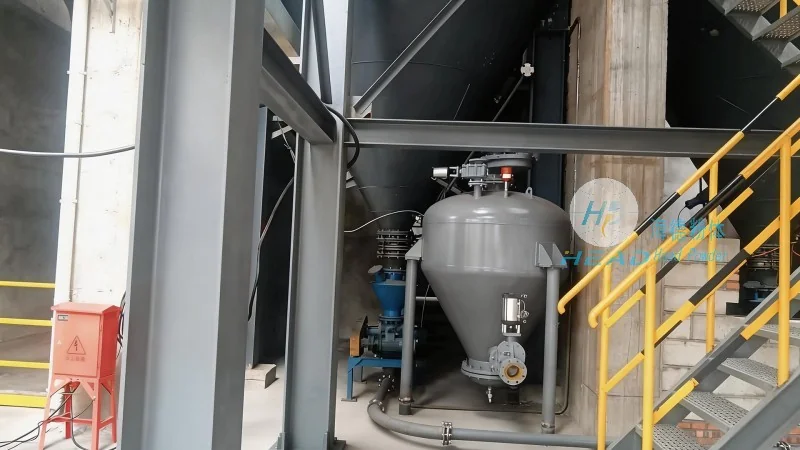
Overview of Magnesia Pneumatic Conveying Systems
Magnesia, a form of magnesium oxide, is widely used in refractory materials, chemical processing, and other industrial sectors. The demand for consistent and safe material handling has led to the development of specialized pneumatic conveying systems tailored to the unique properties of magnesia. These systems are designed to handle fine powders or bulk materials, ensuring minimal product degradation and optimal system efficiency.
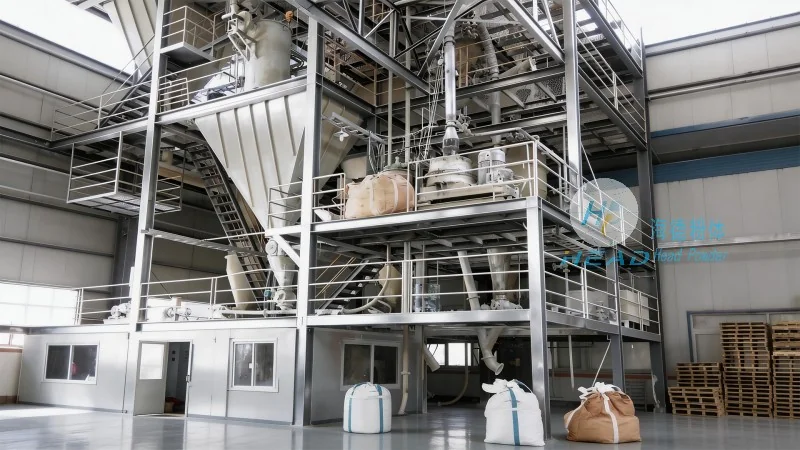
Classification of Magnesia Pneumatic Conveying Systems
Based on the operating principles and design, magnesia pneumatic conveying systems can be classified into several categories. The primary classification is based on the air flow direction and the method of material transport. The main types include:
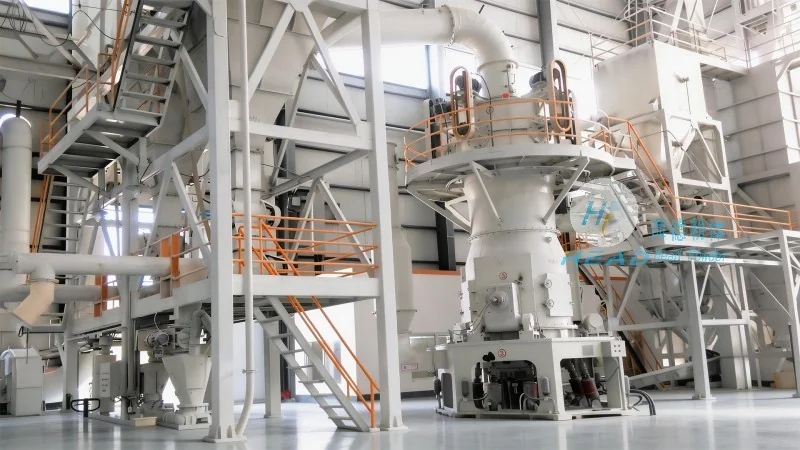
- Positive Pressure Systems: These systems use compressed air to push the material through the pipeline. The air and material are mixed at the inlet and travel under pressure to the destination. This type is suitable for long-distance transport and is commonly used in industrial settings where the material needs to be delivered to multiple points.
- Negative Pressure (Vacuum) Systems: In these systems, a vacuum is created at the receiving end to draw the material into the pipeline. The material is then carried by the air flow towards the discharge point. Negative pressure systems are ideal for applications requiring material collection from multiple sources or for handling materials that are sensitive to pressure changes.
- Bidirectional (Closed Loop) Systems: These systems combine both positive and negative pressure principles, allowing for material transport in both directions. They are often used in recycling processes or when the material needs to be returned to a storage or processing unit. Bidirectional systems enhance flexibility and can optimize material flow in complex industrial setups.
Key Components of Magnesia Pneumatic Conveying Systems
Regardless of the classification, magnesia pneumatic conveying systems consist of several critical components that work in tandem to ensure smooth operation. The main components include:
- Feed Hopper and Metering Device: The feed hopper is used to store the magnesia material and regulate the flow rate. The metering device, such as a rotary valve or a screw feeder, controls the amount of material entering the system, preventing overloading and ensuring consistent material delivery.
- Conveying Line and Pipeline: The pipeline is the main channel through which the magnesia and air mixture travels. The material is suspended in the air stream and transported to the discharge point. The design of the pipeline, including the diameter, length, and bends, is crucial for maintaining the air velocity and preventing material settling or blockages.
- Air Supply Unit (Compressor or Vacuum Pump): This component provides the necessary air pressure or vacuum to move the material. In positive pressure systems, a high-pressure compressor is used, while negative pressure systems rely on vacuum pumps. The air supply unit must be capable of delivering the required flow rate and pressure to maintain the system's performance.
- Separation and Collection Equipment: At the receiving end, the material and air are separated. This is typically done using a cyclone separator or a filter. The separated magnesia is collected in a storage bin or processing unit, while the air is either recycled or vented to the atmosphere. Proper separation is essential to prevent material loss and maintain system efficiency.
- Control and Monitoring Systems: Modern magnesia pneumatic conveying systems are equipped with control panels and monitoring devices. These systems allow operators to adjust the flow rate, pressure, and other parameters in real-time. Sensors and alarms are used to detect any issues, such as blockages or pressure drops, ensuring the system operates safely and efficiently.
Operational Considerations for Magnesia Pneumatic Conveying
When implementing a magnesia pneumatic conveying system, several operational considerations must be taken into account to ensure optimal performance and longevity. These include:
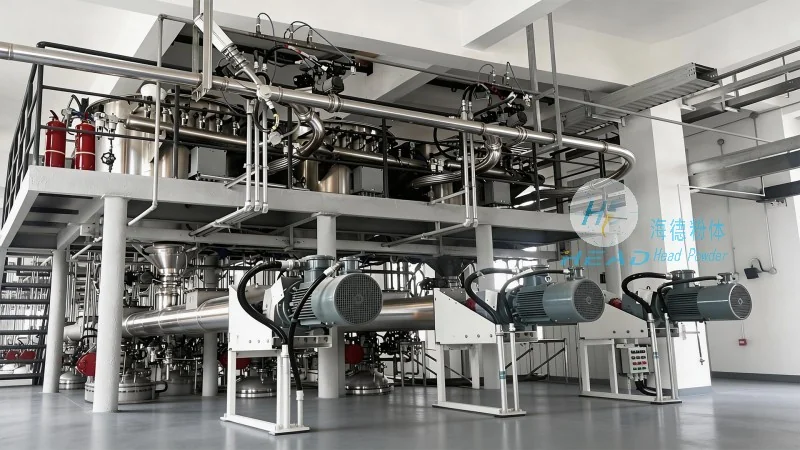
- Material Properties: The characteristics of magnesia, such as particle size, density, and moisture content, affect the system's design and operation. Fine powders may require higher air velocities to prevent settling, while bulk materials may need larger pipelines and more robust components.
- System Sizing and Layout: Proper sizing of the pipeline, air supply, and separation equipment is critical. The layout of the system, including the location of the feed hopper, discharge point, and bends, must be optimized to minimize pressure losses and ensure smooth material flow.
- Preventive Maintenance: Regular maintenance is essential to keep the system running smoothly. This includes cleaning the pipeline, replacing worn parts, and checking the performance of the air supply unit. Proper maintenance can extend the system's lifespan and reduce downtime.
- Safety Measures: Magnesia is a fine powder that can cause respiratory issues if inhaled. The system must be equipped with proper ventilation and dust collection to ensure a safe working environment. Additionally, pressure relief valves and other safety devices are required to prevent accidents.
Conclusion
Magnesia pneumatic conveying systems are essential for efficient material handling in industrial applications. By understanding the classification and key components of these systems, manufacturers can select the most suitable solution for their specific needs. Proper design, installation, and maintenance are crucial to ensure the system operates reliably and safely. With the right approach, magnesia pneumatic conveying systems can provide long-term performance and contribute to the overall efficiency of industrial processes.




