HeadPowder, a leading engineering company based in Shandong, China, specializes in the design, manufacturing, and installation of advanced coke powder pneumatic conveying systems. These systems are crucial for efficiently transporting coke powder in industrial settings, ensuring optimal performance and reliability. This article provides a detailed overview of the classification and key components of such systems, tailored to meet the specific needs of various industrial applications.
Introduction to Coke Powder Pneumatic Conveying Systems
Coke powder pneumatic conveying systems utilize air or other gases to transport solid materials like coke powder from one location to another. These systems are widely used in the chemical, metallurgical, and energy sectors due to their ability to handle fine powders with high efficiency and minimal product degradation. The effectiveness of these systems depends heavily on their design, which is categorized based on the flow characteristics and operational principles.
Classification of Coke Powder Pneumatic Conveying Systems
There are primarily three categories of coke powder pneumatic conveying systems, each distinguished by the velocity and pressure of the conveying medium and the particle size distribution of the coke powder:
1. Dilute Phase Pneumatic Conveying Systems
Dilute phase systems operate at relatively high velocities (typically 20-30 m/s) and low pressure differentials. They are suitable for transporting fine coke powders over moderate distances. In this system, the coke powder is suspended in the air stream, and the conveying air is often recycled to improve efficiency. The key components include a positive displacement blower or a high-pressure compressor, a hopper for material storage, and a pipeline network that ensures uniform particle distribution.
2. Dense Phase Pneumatic Conveying Systems
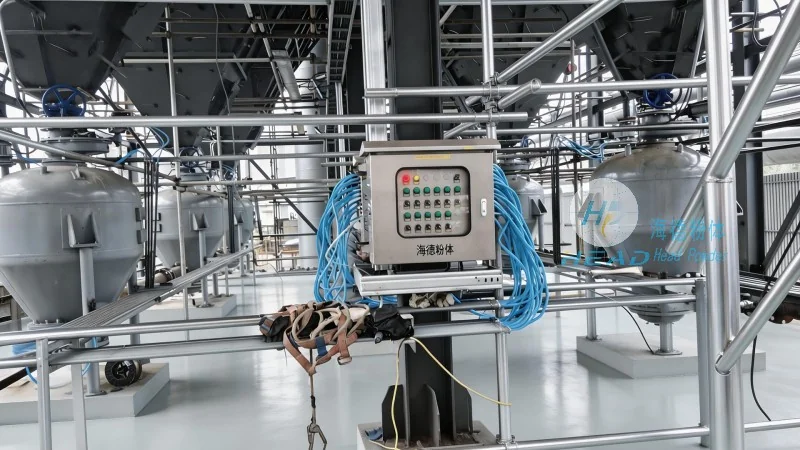
Dense phase systems, also known as low-velocity or high-pressure systems, operate at lower velocities (5-15 m/s) and higher pressure differentials. They are ideal for transporting sensitive coke powders that are prone to degradation or caking. This method minimizes particle impact and friction, reducing the risk of product damage. The system typically uses a pressure vessel or a positive displacement pump to generate the necessary pressure, ensuring a smooth and controlled flow of coke powder.
3. Mixed Phase Pneumatic Conveying Systems
Mixed phase systems combine elements of both dilute and dense phase operations. They operate at intermediate velocities and pressures, allowing for flexible handling of coke powders with varying particle sizes and moisture content. This system is particularly useful when transporting materials over longer distances or when dealing with challenging material properties. The design often incorporates both a high-velocity section for initial acceleration and a low-velocity section for final delivery, optimizing energy consumption and material handling efficiency.
Key Components of Coke Powder Pneumatic Conveying Systems
Regardless of the system classification, coke powder pneumatic conveying systems consist of several critical components that work in tandem to ensure efficient and reliable operation. These components are essential for maintaining the quality of the coke powder and the longevity of the equipment.
1. Material Hopper and Feeder
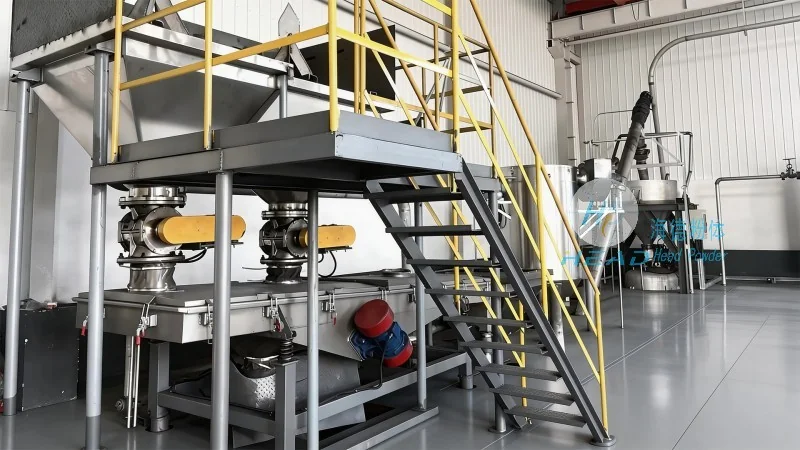
The material hopper serves as the storage vessel for coke powder, providing a consistent supply to the conveying system. It is typically equipped with a rotary valve or a screw feeder to control the flow rate of the material. The hopper design is crucial to prevent material bridging or caking, which can disrupt the conveying process. The feeder ensures a steady and controlled discharge of coke powder into the pipeline, maintaining the desired flow rate and preventing surges or drops in material supply.
2. Conveying Air Supply and Conditioning
The air supply system is a critical component, responsible for generating the necessary pressure and velocity to transport coke powder. It includes a blower or compressor, air filters to remove contaminants, and sometimes a humidifier or dryer to adjust the air's moisture content. Proper air conditioning is essential to prevent moisture absorption by the coke powder, which can affect its handling properties and the system's performance. The air supply system is designed to meet the specific pressure and flow requirements of the chosen conveying system type.
3. Conveying Pipeline and Fittings
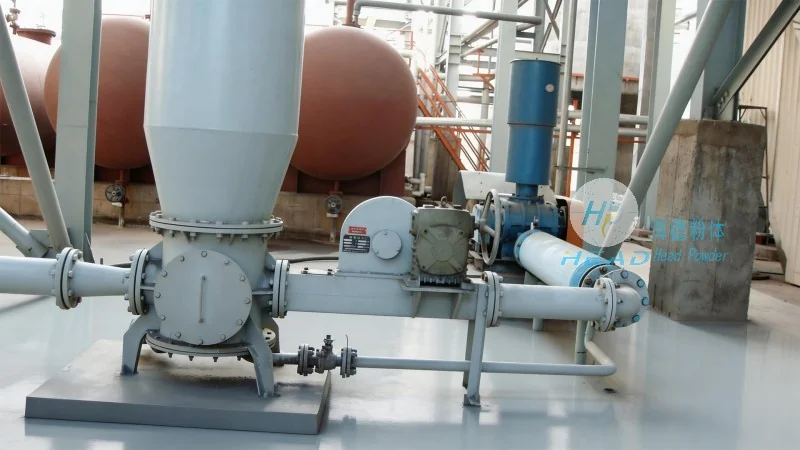
The pipeline network forms the backbone of the pneumatic conveying system, transporting coke powder from the source to the destination. It is constructed from materials resistant to corrosion and abrasion, such as stainless steel or special alloys, to withstand the abrasive nature of coke powder. The pipeline includes various fittings like elbows, tees, and reducers, which are designed to minimize pressure losses and maintain the flow velocity. The pipeline layout is carefully planned to avoid sharp turns and excessive length, ensuring efficient material transport and reducing energy consumption.
4. Separation and Collection Equipment
At the receiving end of the conveying system, separation and collection equipment is used to separate the coke powder from the conveying air and return the air to the system for recycling. This equipment typically includes a cyclone separator or a baghouse filter. The cyclone separator uses centrifugal force to separate the solid particles from the air, while the baghouse filter captures fine particles using fabric bags. The separated coke powder is collected in a receiving hopper, and the clean air is returned to the blower or compressor, completing the recycling loop and improving overall system efficiency.
5. Control and Monitoring Systems
Modern coke powder pneumatic conveying systems are equipped with advanced control and monitoring systems to ensure optimal operation and safety. These systems include pressure sensors, flow meters, and level indicators that provide real-time data on the system's performance. The control system adjusts the air flow rate, pressure, and material feed rate based on the operational conditions, ensuring consistent and efficient conveying. Additionally, safety features such as pressure relief valves and emergency shut-off mechanisms are integrated to prevent accidents and protect personnel and equipment.
Conclusion
HeadPowder Engineering Co., Ltd., based in Shandong, China, offers comprehensive solutions for coke powder pneumatic conveying systems, covering both system classification and component design. By understanding the different classifications and the key components of these systems, industrial facilities can select the most appropriate solution for their specific needs, ensuring efficient, reliable, and cost-effective transportation of coke powder. The company's expertise in engineering and manufacturing ensures that each system is tailored to meet the unique requirements of the client, providing long-term performance and durability.




