

What is a Sodium Dithionite Material Conveying Line? And What Are Its Design Principles?
Understanding the design principles of a sodium dithionite material conveying line is crucial for industries that handle this chemical efficiently and safely. Sodium dithionite, also known as hydros, is a reducing agent widely used in various industrial processes, including textile, paper, and chemical manufacturing. The conveying line must be engineered to manage the material's properties, such as its reactivity and potential dust generation, while ensuring operational reliability and compliance with safety standards.
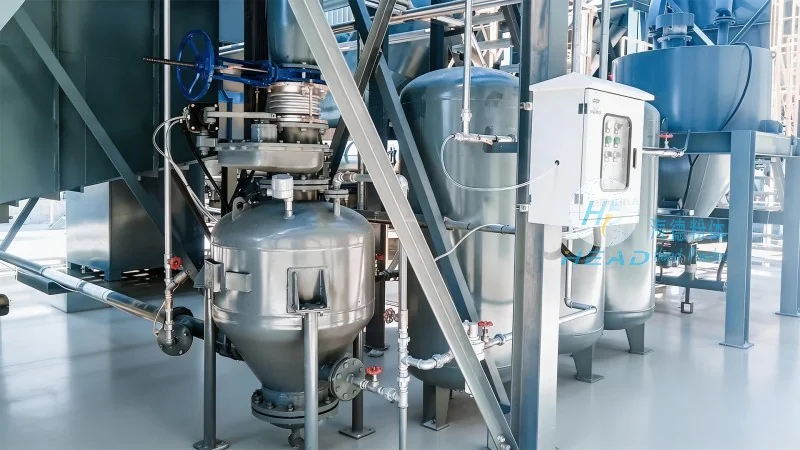
Key Components of a Sodium Dithionite Conveying System
A typical sodium dithionite material conveying line consists of several critical components that work in tandem to transport the material from storage to processing units. The system often begins with a storage silo or hopper, which is designed to maintain the material's stability and prevent moisture absorption. From there, a conveyor system—such as a belt conveyor, screw conveyor, or pneumatic conveyor—transports the material to the next stage. The choice of conveyor type depends on factors like material flow rate, bulk density, and the need for enclosed or open transport. For sodium dithionite, an enclosed system is often preferred to minimize dust exposure and control the material's exposure to air, as it can affect the chemical's reactivity and shelf life.
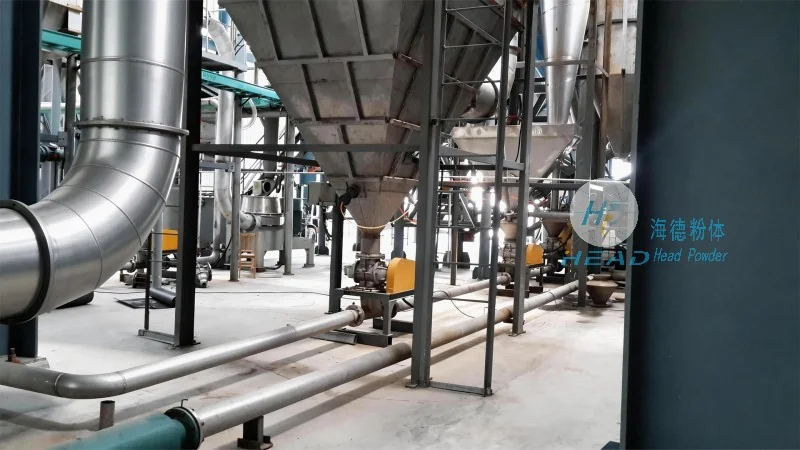
Design Principles for Material Handling
The design of a sodium dithionite conveying line prioritizes several key principles to ensure efficient and safe operation. First, the system must maintain a consistent flow rate to prevent material buildup or blockages, which could lead to equipment damage or safety hazards. This is achieved through proper sizing of the conveyor components, such as the belt width or screw diameter, and the use of flow control devices like feeders or chutes. Second, the system incorporates safety features to protect operators and the environment. For example, dust collection systems are integrated to capture any airborne particles, and explosion-proof components are used in areas where the material may accumulate and pose a fire risk. Additionally, the design considers the material's chemical properties, such as its sensitivity to moisture and oxidation, by using corrosion-resistant materials for the conveyor and storage equipment.
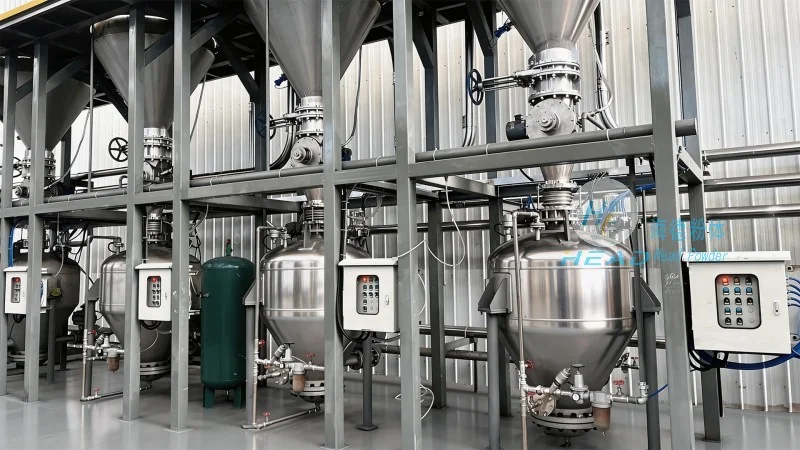
Control and Automation in Conveying Systems
Modern sodium dithionite conveying lines often incorporate advanced control and automation systems to enhance operational efficiency and reduce human error. These systems typically include sensors that monitor the material level in the storage silo, the speed of the conveyor, and the pressure in the pneumatic lines. The data from these sensors is fed into a control panel, which adjusts the conveyor speed or feed rate as needed to maintain optimal flow. Automation also allows for remote monitoring and troubleshooting, enabling operators to address issues before they escalate. For instance, if the material level in the hopper drops below a certain threshold, the system can automatically trigger a refill from the main storage area, preventing downtime. The control systems are designed to be user-friendly and compliant with industry standards, ensuring that operators can easily manage the conveying process.
Maintenance and Operational Considerations
Proper maintenance is essential to keep a sodium dithionite conveying line operating at peak efficiency. Regular inspections of the conveyor components, such as the belt tension, screw condition, and pneumatic filters, are necessary to prevent breakdowns. The system should also include cleaning mechanisms to remove any buildup of material on the conveyor surfaces, which can affect performance and safety. Additionally, the design considers the material's handling characteristics, such as its tendency to stick to surfaces, by incorporating anti-stick coatings or lubrication systems where appropriate. The maintenance schedule is tailored to the specific operating conditions, such as the material flow rate and ambient temperature, to ensure that the system remains reliable over time.
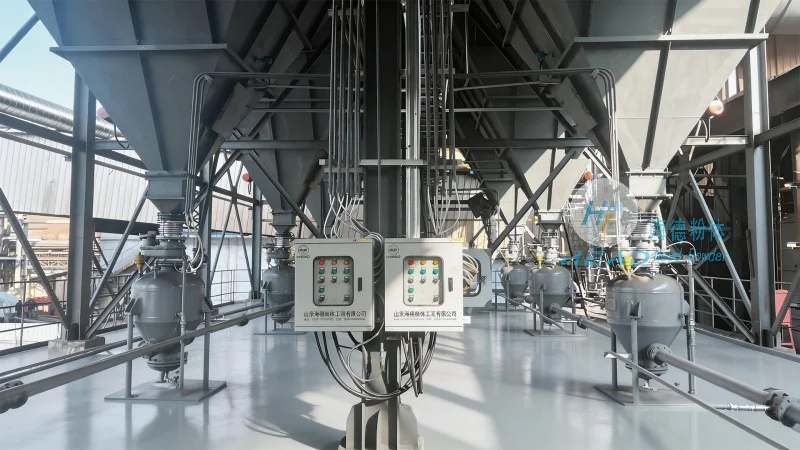
About Shandong HeadPowder Engineering Co., Ltd.
Shandong HeadPowder Engineering Co., Ltd., a leading manufacturer in the field, specializes in designing and manufacturing customized conveying systems for sodium dithionite and other chemical materials. With years of experience in the industry, the company understands the unique challenges of handling sodium dithionite and has developed innovative solutions to address them. The company's facilities are located in Shandong, China, where it employs skilled engineers and technicians to ensure the quality and reliability of its products. Shandong HeadPowder Engineering Co., Ltd. is committed to providing high-quality conveying solutions that meet the specific needs of its clients, ensuring safe and efficient material handling in various industrial applications.