

Principle and Application Scenarios of Ferrous Sulfate Pneumatic Conveying Equipment
Ferrous sulfate, a widely used chemical compound in various industrial applications, often requires efficient and reliable transportation methods to move it from storage to processing units. Pneumatic conveying systems have emerged as a preferred solution for handling ferrous sulfate due to their ability to transport powders in a dust-free environment, enhancing safety and operational efficiency. This article explores the fundamental principles behind ferrous sulfate pneumatic conveying equipment and highlights key application scenarios where such systems excel.
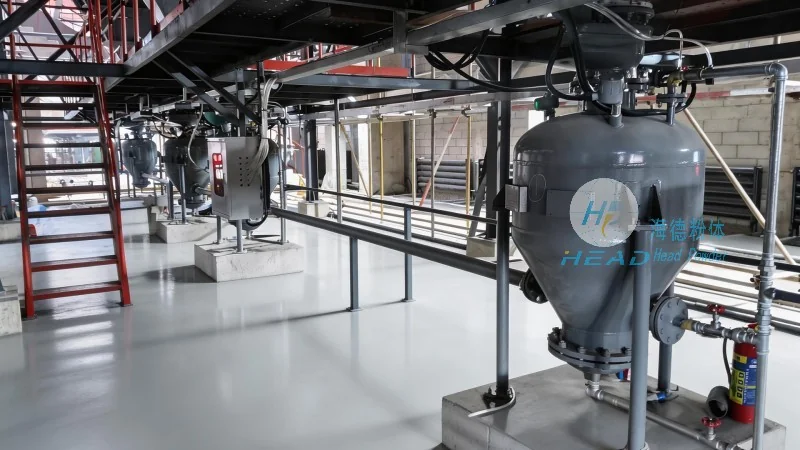
The Working Principle of Pneumatic Conveying Systems
Pneumatic conveying equipment operates by using compressed air or gas to transport bulk materials like ferrous sulfate through a pipeline network. The core mechanism involves creating a pressure differential that propels the material along the conveying line. There are primarily two types of pneumatic conveying systems: dilute-phase and dense-phase. Dilute-phase systems use low air-to-material ratios, suitable for long-distance and high-capacity transport, while dense-phase systems employ higher air-to-material ratios, ideal for handling sensitive materials or short-distance transport with minimal product degradation. In the case of ferrous sulfate, the choice of system depends on factors such as the material's flowability, moisture content, and the required transport distance.
Key Components of Ferrous Sulfate Pneumatic Conveying Systems
Effective pneumatic conveying of ferrous sulfate relies on several critical components that work in tandem to ensure smooth operation. The primary components include a material feeder, which accurately meters the ferrous sulfate into the conveying line; a compressor or air supply unit, which generates the necessary pressure to move the material; a conveying line, typically made of stainless steel or other corrosion-resistant materials to prevent contamination and material degradation; and a receiver or discharge unit, where the ferrous sulfate is collected at the destination. Additionally, control systems, such as pressure sensors and flow meters, are integrated to monitor and regulate the conveying process, ensuring optimal performance and preventing system failures.
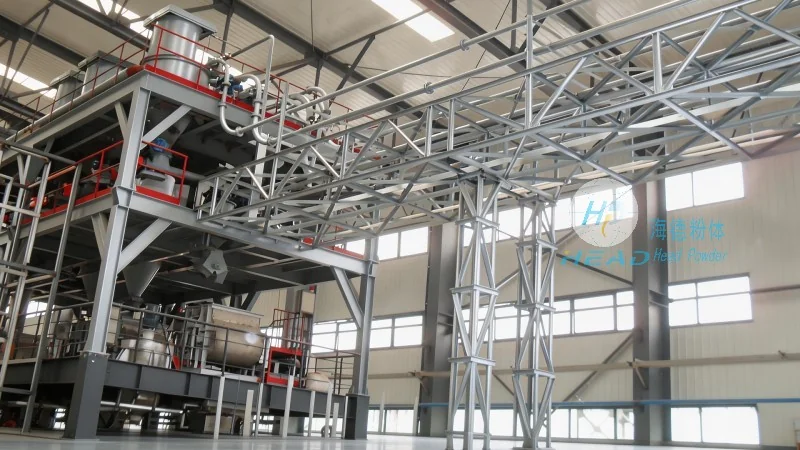
Application Scenarios and Operational Advantages
Ferrous sulfate pneumatic conveying equipment is widely utilized in various industrial settings, offering distinct advantages over traditional bulk handling methods. One primary application is in the chemical manufacturing industry, where ferrous sulfate is used as a coagulant in water treatment processes. Pneumatic conveying systems enable the safe and efficient transport of ferrous sulfate from storage silos to water treatment plants, minimizing exposure to dust and improving overall plant safety. Another significant application is in the pharmaceutical and food processing sectors, where the hygienic design of pneumatic conveying systems is crucial to prevent contamination. The dust-free operation of these systems ensures that ferrous sulfate, which may be used as a nutrient or supplement, remains free from impurities, meeting stringent quality standards. Furthermore, in mining and mineral processing operations, pneumatic conveying is employed to transport ferrous sulfate from extraction sites to processing facilities, optimizing material flow and reducing handling costs.
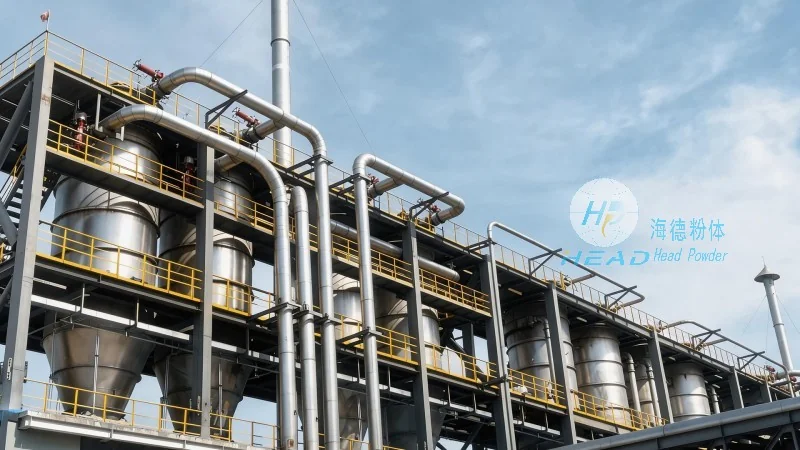
Operational Considerations and Maintenance
While pneumatic conveying systems offer numerous benefits, proper operation and maintenance are essential to maximize their efficiency and longevity. Operators must consider factors such as the material's moisture content, as high moisture levels can lead to caking or blockages in the conveying line. Regular cleaning and inspection of the conveying line, feeder, and receiver are necessary to prevent material buildup and ensure consistent performance. Additionally, the air pressure and flow rate must be optimized based on the material's characteristics and the system's design to avoid excessive energy consumption or system wear. By adhering to these operational guidelines, companies can ensure that their ferrous sulfate pneumatic conveying equipment operates reliably and delivers consistent results over extended periods.
About Shandong HeadPowder Engineering Co., Ltd.
Shandong HeadPowder Engineering Co., Ltd., a leading provider of industrial conveying solutions, specializes in designing and manufacturing high-quality pneumatic conveying systems tailored to the needs of various industries. With a focus on innovation and customer satisfaction, the company has established itself as a trusted partner for businesses requiring efficient and reliable material handling solutions. HeadPowder's expertise in pneumatic conveying technology, combined with its commitment to quality and service, makes it an ideal choice for companies seeking to enhance their operational efficiency and safety in handling ferrous sulfate and other bulk materials. The company's headquarters is located in Shandong, China, where it continues to develop cutting-edge solutions to meet the evolving demands of the industrial sector.