For industrial operations handling sulfuric iron powder, specialized bulk material conveying equipment is vital for efficiency and safety. This article examines the sulfuric iron powder conveying equipment, detailing its purpose and the core design principles that enable effective material transport.
Introduction to Sulfuric Iron Powder Conveying Equipment
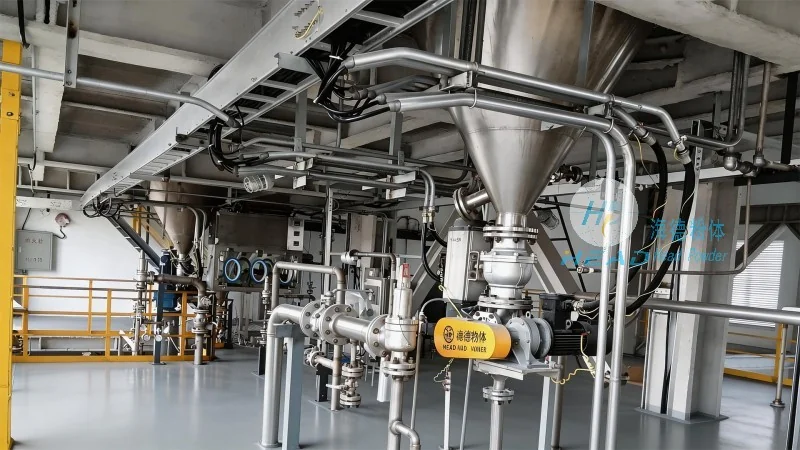
Sulfuric iron powder, a key chemical product, requires tailored equipment to move large quantities safely. The sulfuric iron powder bulk material conveying equipment is engineered to transport this powder from storage to processing or discharge points within industrial facilities. Its design addresses the material's properties, ensuring reliable operation while minimizing risks associated with handling reactive powders.
Key Components and Operational Functions
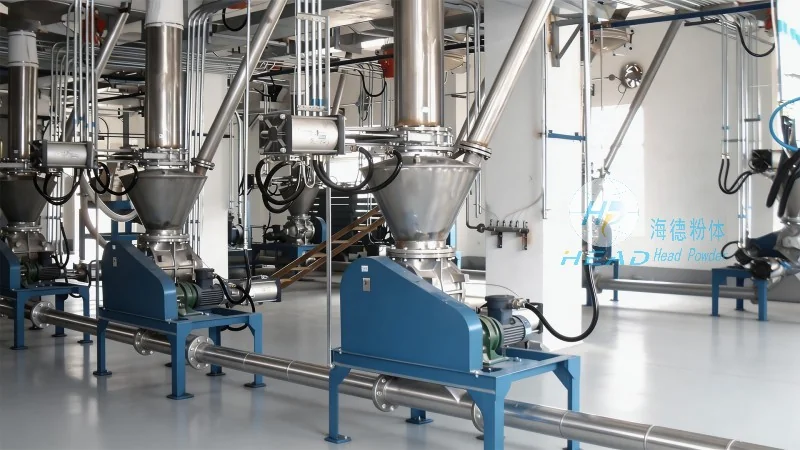
The conveying system typically includes several essential components: hoppers for material storage, feeders to regulate flow rates, conveyor mechanisms (such as screw or pneumatic systems), and discharge points. Each part works in concert to maintain consistent material movement. The hoppers are designed to hold large volumes without clogging, while feeders ensure uniform delivery to the conveyor. The conveyor itself must handle the bulk density and flow characteristics of sulfuric iron powder, preventing issues like blockages or uneven transport.
Design Principles Guiding Equipment Development
The design of sulfuric iron powder conveying equipment is rooted in practical principles to manage the material's unique traits. First, corrosion resistance is paramount due to the powder's acidic nature. Materials like stainless steel or specialized coatings are used for internal surfaces to prevent degradation and material buildup. Second, dust control is critical for worker safety; enclosed systems with ventilation and dust collection are standard to minimize exposure. Third, the equipment is built for easy maintenance, as the powder can adhere to surfaces and cause operational issues. Regular cleaning and maintenance schedules are integral to sustaining performance.
How the Conveying Process Works
The operation begins with material loaded into a hopper. A feeder controls the flow rate, ensuring a steady supply to the conveyor. The conveyor transports the powder through the system, which is engineered to handle its specific bulk density and flow behavior. The system may use screw conveyors for solid material or pneumatic systems for lighter powders, depending on the application. The material is then discharged at the target location, completing the transport cycle. This process is automated to enhance efficiency and reduce human error.
Applications and Benefits in Industrial Settings
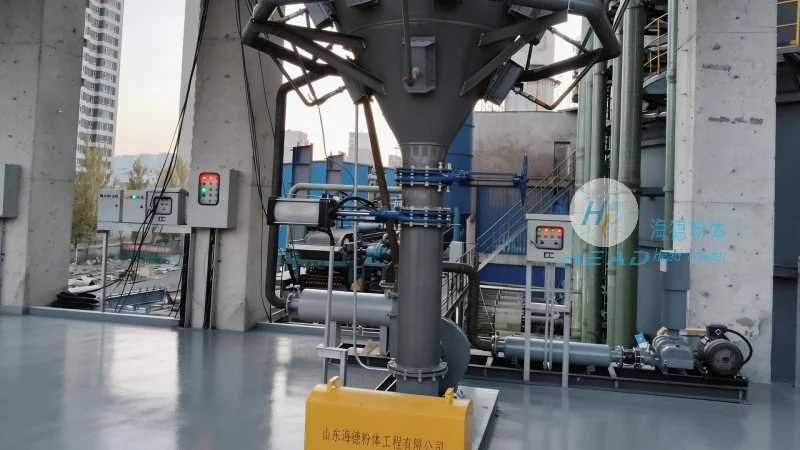
Sulfuric iron powder conveying equipment is widely used across sectors like chemical manufacturing, water treatment, and pharmaceuticals. Its benefits include improved production efficiency, reduced labor costs, and enhanced workplace safety. By automating material handling, companies minimize accident risks and maintain consistent product quality. The equipment also helps keep workspaces clean and organized, supporting compliance with industrial regulations. For example, in water treatment facilities, the equipment ensures precise dosing of sulfuric iron powder for purification processes.
Conclusion
In summary, the sulfuric iron powder bulk material conveying equipment is a critical asset for industries handling this chemical product. Its design, focused on corrosion resistance, dust control, and ease of maintenance, ensures safe and efficient operation. Companies like Shandong HeadPowder Engineering Co., Ltd., based in China, specialize in manufacturing such equipment, providing reliable solutions for bulk material handling needs. Investing in high-quality conveying systems helps industries boost operational efficiency and meet safety standards, ultimately supporting long-term productivity.




