Understanding the role and design of biomass powder handling systems is crucial for industries that rely on efficient material transport and processing. For companies like Shandong HeadPowder Engineering Co., Ltd. (HeadPowder), these systems represent a core area of expertise, as they specialize in developing solutions tailored to the unique challenges of handling biomass powders. The core function of such systems is to ensure safe, reliable, and efficient transportation of these powders from one point to another within a facility or between different stages of production.
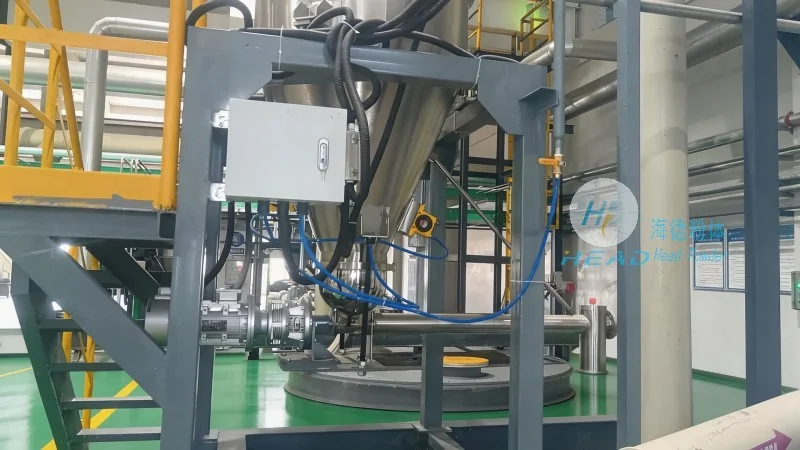
Defining Biomass Powder Handling Systems
A biomass powder handling system is a specialized setup designed to handle, transport, and process powders derived from biomass materials. Biomass powders can include materials like wood chips, agricultural residues, or other organic matter that has been processed into a fine powder form. The primary goal of these systems is to facilitate the smooth flow of these powders, often under controlled conditions, to support downstream processes such as combustion, pelletization, or further processing. The design of these systems must account for the unique properties of biomass powders, which can vary in terms of moisture content, particle size, and flow characteristics.
The Design Principles Behind Biomass Powder Handling Systems
The design of biomass powder handling systems is guided by several key principles aimed at optimizing performance, safety, and efficiency. One of the fundamental principles is the need to maintain the integrity of the biomass powder during transport. This involves minimizing particle degradation, agglomeration, or segregation, which can occur due to factors like friction, air currents, or uneven flow. Engineers employ various design elements to address these challenges, including proper material selection for components that come into contact with the powder, such as hoppers, conveyors, and pipelines.
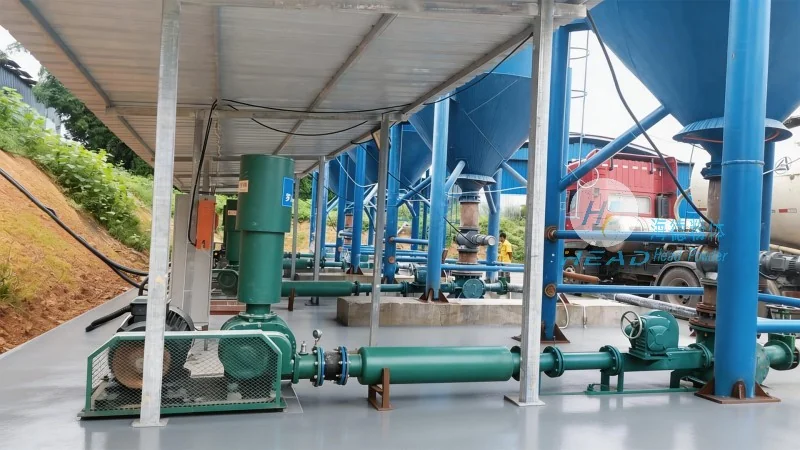
Another critical design principle is the consideration of the physical properties of biomass powders. These materials often exhibit variable flow characteristics, which can range from free-flowing to cohesive or even bridging. To manage these variations, systems may incorporate features like vibrators, agitators, or air-assisted conveying mechanisms. The design also takes into account the potential for moisture content changes, as excess moisture can lead to caking or blockages in the system. Therefore, moisture control and monitoring are integral parts of the system's design.
Key Components and Their Functions in Biomass Powder Handling Systems
Effective biomass powder handling systems consist of several interconnected components, each serving a specific function to ensure the efficient movement of powders. The primary components typically include feed hoppers, which store and feed the biomass powder into the system. These hoppers are designed to minimize material degradation and ensure a consistent flow rate. Conveying equipment, such as screw conveyors, pneumatic conveyors, or belt conveyors, is used to transport the powder from the feed hopper to the processing or storage area. The choice of conveying method depends on factors like the powder's characteristics, the distance to be covered, and the required flow rate.
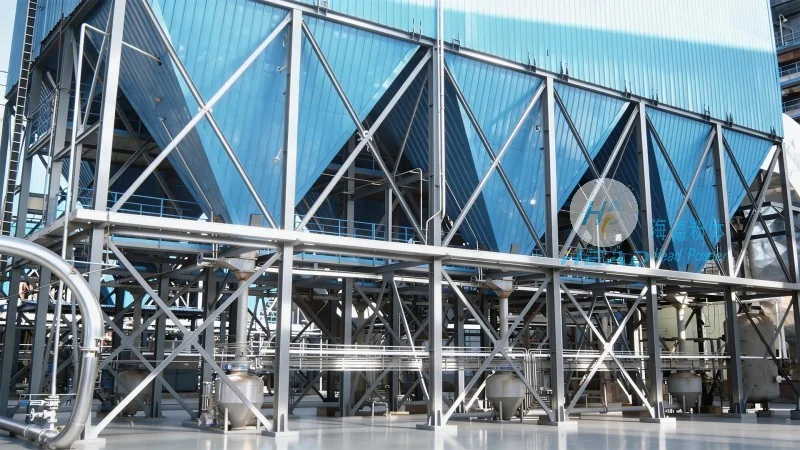
Pipeline systems are also essential components, especially for pneumatic conveying, where the powder is transported using air pressure. These pipelines must be designed to handle the specific flow characteristics of biomass powders and prevent blockages or pressure drops. Additionally, the system may include control and monitoring equipment, such as sensors and control panels, to regulate the flow rate, pressure, and other parameters. These components help ensure the system operates within safe and efficient limits, providing real-time data for adjustments as needed.
Applications and Industries Utilizing Biomass Powder Handling Systems
Biomass powder handling systems are widely used across various industries that rely on biomass as a renewable resource. In the energy sector, these systems are crucial for transporting biomass powders to power plants for combustion, where they are used to generate electricity or heat. The agricultural and forestry industries also benefit from these systems, as they help process and transport agricultural residues or wood chips for further use in biofuels or other products. Additionally, in the manufacturing sector, biomass powders may be used as raw materials for pellet production or other processing applications, where consistent and efficient powder handling is essential for maintaining product quality.
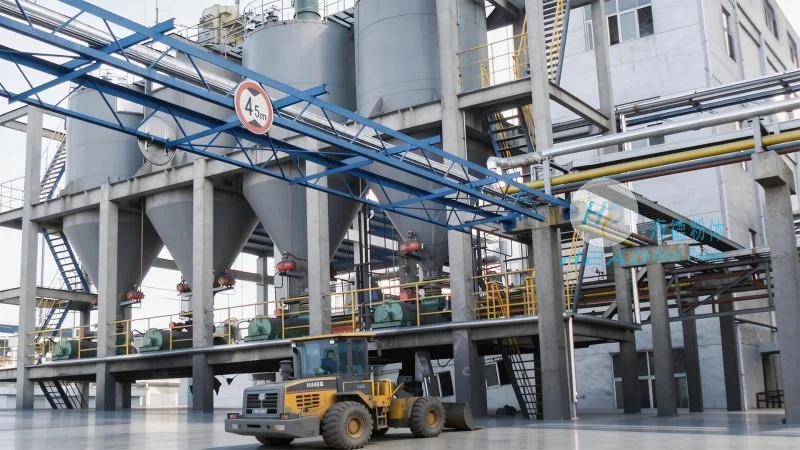
Ensuring Safety and Efficiency in Biomass Powder Handling
When designing and operating biomass powder handling systems, safety and efficiency are paramount. The systems must be engineered to prevent dust explosions, which can occur due to the fine nature of biomass powders and the presence of oxygen. This involves implementing explosion-proof designs, proper ventilation, and dust suppression systems. Additionally, the system must be designed to minimize energy consumption and operational costs. This can be achieved through the use of energy-efficient components, such as variable speed drives for conveyors, and optimized system layouts that reduce the need for excessive material handling.
Regular maintenance and monitoring are also critical to ensure the long-term performance and safety of the system. This includes checking for wear and tear on components, cleaning the system to prevent clogging, and performing routine inspections to identify potential issues before they become major problems. By adhering to these principles and practices, biomass powder handling systems can provide reliable and efficient service, supporting the sustainable use of biomass resources in various industrial applications.




