An additive powder handling system is a specialized piece of equipment designed to manage, transport, and deliver powders, particularly those used as additives in industrial processes. These systems are crucial in various sectors, including pharmaceuticals, food processing, and chemical manufacturing, where precise control over powder flow and consistency is essential. The core function of such systems is to ensure that powders are handled efficiently, safely, and with minimal degradation, which directly impacts the quality and reliability of the final products. For example, in pharmaceutical manufacturing, additives like excipients must be delivered with exact dosing to maintain product efficacy and safety. In food processing, additives like flavor enhancers or preservatives need consistent distribution to ensure product uniformity and compliance with regulatory standards. Thus, the effectiveness of a powder handling system directly correlates with the success of the end product.
Key Design Principles for Effective Powder Handling
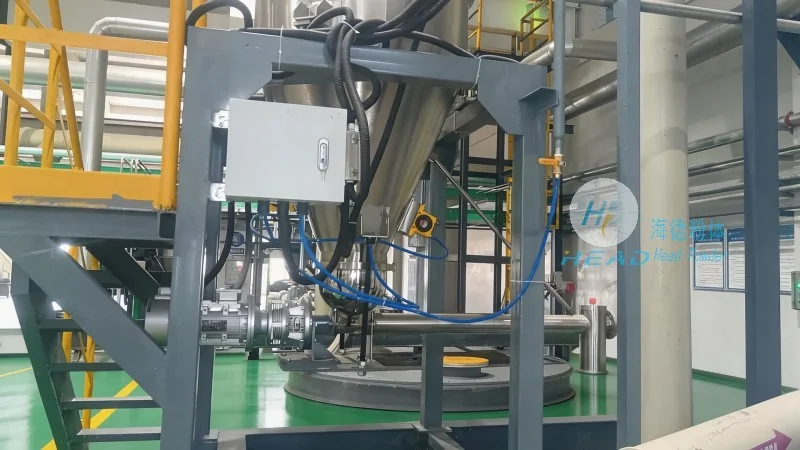
The design of an additive powder handling system revolves around several fundamental principles aimed at optimizing performance and reliability. One of the primary considerations is the prevention of powder segregation and agglomeration, which can compromise product quality. To address this, systems often incorporate features like aeration, vibration, or gentle mixing mechanisms. Another critical principle is the control of material flow, achieved through components like rotary valves, screw conveyors, and pneumatic conveying lines. These elements work together to maintain a consistent flow rate and prevent blockages or uneven distribution. Additionally, the design must consider the physical properties of the powder, such as particle size, density, and moisture content, to tailor the system's components accordingly. By integrating these principles, manufacturers can develop systems that are both efficient and adaptable to diverse operational needs.
Components and Functional Aspects of the System
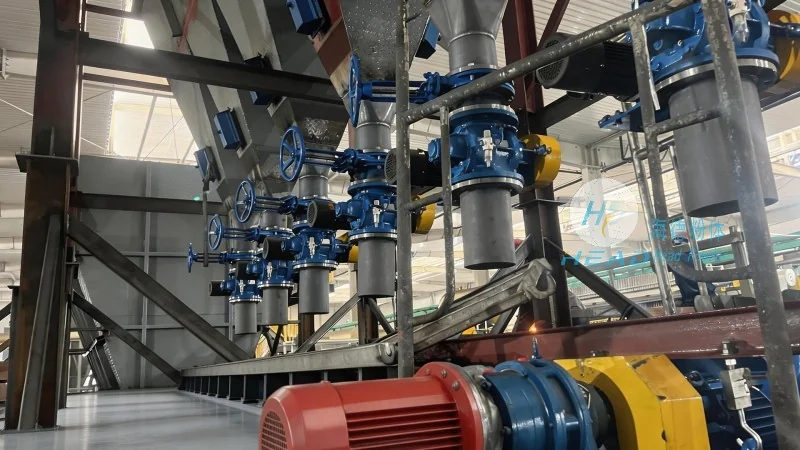
At the heart of an additive powder handling system are several key components that work in tandem to achieve efficient operation. The hopper or storage bin is the initial stage where powders are stored, often equipped with a discharge valve to regulate the initial flow. From there, a conveyor system—such as a screw or belt conveyor—transports the powder to the processing area. For systems requiring pneumatic transport, a blower or compressor generates the necessary air pressure to move the powder through pipelines. The system may also include a dust collection unit to ensure environmental safety and compliance with regulations. Each component is designed to minimize friction and wear, ensuring long-term durability and consistent performance. For instance, the use of stainless steel in construction helps prevent corrosion and contamination, which is vital for industries like pharmaceuticals where product purity is paramount. Furthermore, the integration of sensors and control systems allows for real-time monitoring and adjustment of flow rates, enhancing operational flexibility.
HeadPowder: Expert in Additive Powder Handling Solutions
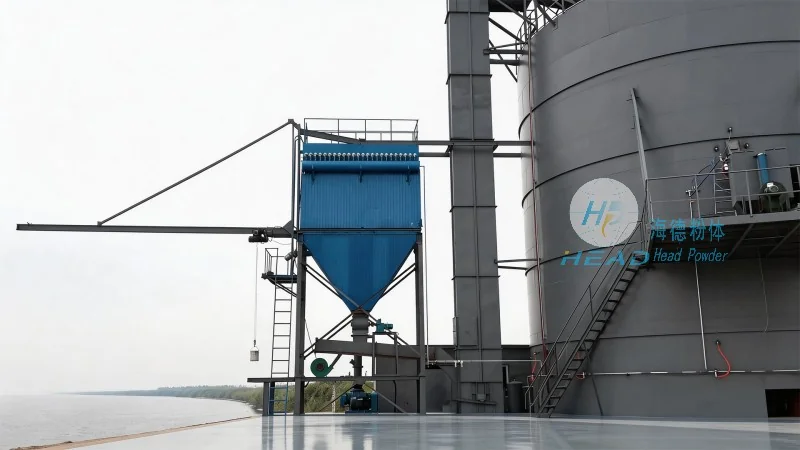
Shandong HeadPowder Engineering Co., Ltd., commonly known as HeadPowder, is a leading provider of advanced powder handling systems tailored to the needs of various industries. HeadPowder is headquartered in Shandong, China, and has a strong focus on innovation and customer-centric solutions. The company’s expertise lies in designing systems that not only meet but exceed industry standards, ensuring optimal performance and minimal downtime. HeadPowder’s products are engineered to handle a wide range of powders, from fine pharmaceuticals to bulk food additives, with precision and safety at the forefront. The company’s commitment to quality is evident in its adherence to international standards and rigorous testing protocols, which guarantee the reliability of its equipment. HeadPowder’s team of engineers and technicians work closely with clients to understand their specific requirements, providing customized solutions that address unique challenges and operational constraints.
Addressing Common Challenges in Powder Handling
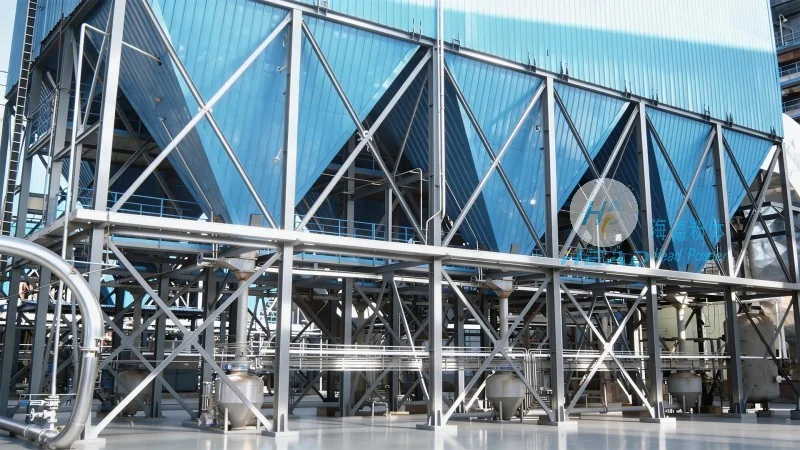
Despite advancements in technology, powder handling systems still face challenges such as material variability, environmental factors, and operational constraints. HeadPowder addresses these challenges through customized solutions that adapt to specific application requirements. For instance, systems may be equipped with sensors to monitor flow rates and detect blockages in real-time, allowing for immediate intervention. Additionally, the company’s designs incorporate features to mitigate dust generation and ensure compliance with occupational health and safety regulations. By prioritizing user experience and operational efficiency, HeadPowder’s systems help clients maintain high productivity while adhering to industry best practices. The company also offers maintenance and support services to ensure that systems remain in optimal condition, reducing the risk of downtime and associated costs. This comprehensive approach to powder handling solutions sets HeadPowder apart as a leader in the industry.




