When it comes to the efficient and reliable transport of kaolin powder, specialized equipment plays a crucial role in industrial processes. This article explores the concept of kaolin powder bulk handling equipment and delves into its underlying design principles, offering insights into how these systems ensure optimal performance in material handling applications.
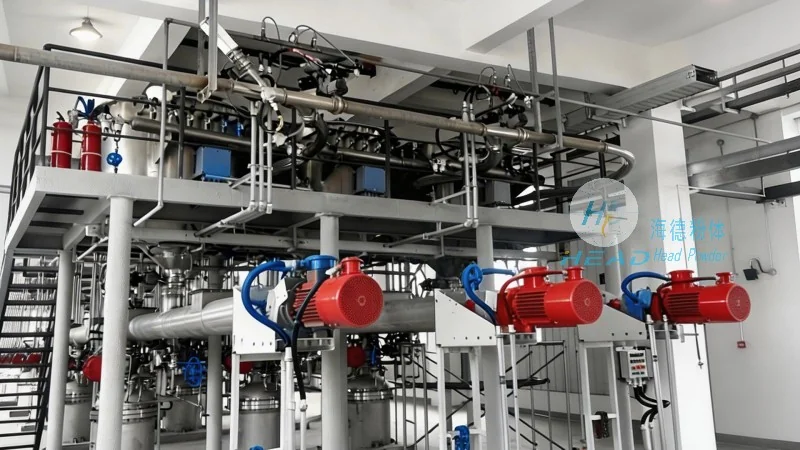
Introduction to Kaolin Powder Bulk Handling Equipment
Kaolin powder, a versatile clay mineral widely used in various industries such as ceramics, paper, and cosmetics, requires specialized equipment for safe and efficient transportation. The equipment designed for handling kaolin powder must address challenges like dust control, material flow consistency, and system durability. Understanding the design principles behind these systems is essential for selecting the right equipment for specific industrial needs.
About Shandong HeadPowder Engineering Co., Ltd.
Headpowder, the company behind the development of advanced kaolin powder bulk handling solutions, is a leading manufacturer based in Shandong, China. With a strong commitment to innovation and quality, HeadPowder Engineering Co., Ltd. specializes in creating customized equipment tailored to the unique requirements of kaolin processing facilities. The company’s headquarters is located in Shandong, where it leverages local expertise and resources to deliver high-performance bulk handling systems.
Design Principles of Kaolin Powder Bulk Handling Equipment
The design of kaolin powder bulk handling equipment is guided by several key principles aimed at ensuring efficient material transport, minimal loss, and operational safety. One of the fundamental principles is the use of enclosed systems to prevent dust dispersion and maintain environmental compliance. These systems typically incorporate components like hoppers, conveyors, and pneumatic transport lines that work in tandem to move kaolin powder from storage to processing units.
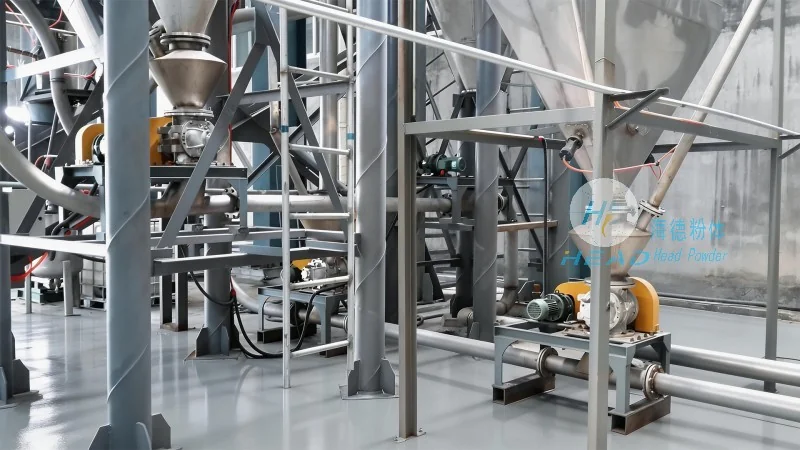
A critical aspect of the design is the selection of appropriate materials for construction. Kaolin powder can be abrasive and may contain moisture, which necessitates the use of corrosion-resistant and wear-resistant materials. Stainless steel, high-density polyethylene, and other specialized alloys are commonly used to ensure the longevity of the equipment under harsh operating conditions. Additionally, the design incorporates features like airtight seals and dust filters to maintain a clean working environment and protect the material from contamination.
Another key principle is the optimization of material flow. The equipment is engineered to minimize blockages and ensure consistent flow rates, which is vital for maintaining production efficiency. This involves the use of sloped hoppers, agitators, and air classifiers to keep the powder in a free-flowing state. The design also considers the density and particle size distribution of kaolin powder, as these factors influence the equipment's capacity and performance. By tailoring the system to the specific characteristics of the material, the equipment can achieve optimal throughput while reducing energy consumption.
Key Components and Their Functions
Modern kaolin powder bulk handling equipment consists of several interconnected components, each playing a vital role in the overall system. The primary components include storage hoppers, feeding mechanisms, conveying systems, and control panels. The storage hopper is designed to hold large quantities of kaolin powder and is equipped with a discharge valve that regulates the flow of material into the conveying system. Feeding mechanisms, such as rotary valves or screw feeders, ensure a controlled and consistent feed rate, preventing overloading or underloading of the conveyor.
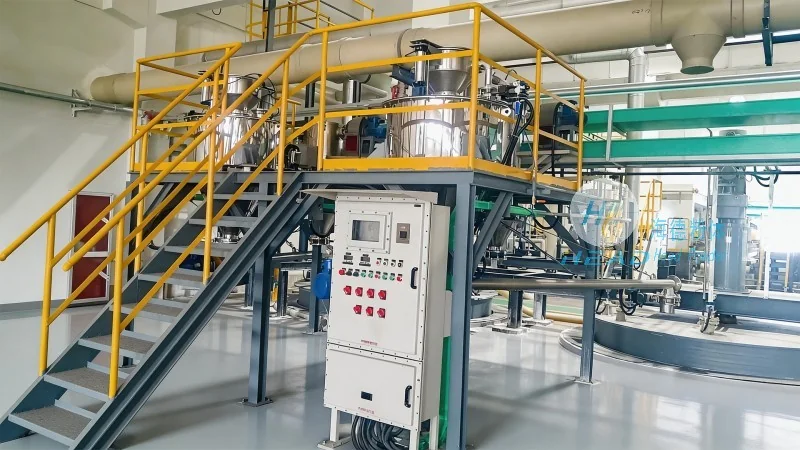
The conveying system is the core of the equipment, responsible for transporting the kaolin powder from the storage area to the processing plant. There are two main types of conveying systems used: mechanical and pneumatic. Mechanical conveyors, such as belt conveyors or screw conveyors, rely on mechanical power to move the material. Pneumatic conveyors, on the other hand, use air pressure to transport the powder through a network of pipes. The choice between these systems depends on factors like the distance to be covered, the volume of material, and the need for dust control. For kaolin powder, pneumatic systems are often preferred due to their ability to handle fine particles and minimize dust exposure.
The control panel is an essential component that monitors and regulates the operation of the entire system. It includes sensors to detect material levels, flow rates, and pressure, as well as controls to adjust the speed of the conveyor or the air pressure in the pneumatic system. The control panel ensures that the equipment operates within safe parameters and can alert operators to any issues, such as blockages or pressure drops, allowing for prompt maintenance and preventing system downtime.
Advantages of Using Kaolin Powder Bulk Handling Equipment
Implementing specialized kaolin powder bulk handling equipment offers numerous advantages for industrial operations. One of the most significant benefits is improved safety. Enclosed systems and dust control measures reduce the risk of respiratory hazards and environmental contamination, creating a healthier work environment for employees. Additionally, the equipment minimizes material loss by preventing spillage and ensuring that all material is transported to the processing unit, enhancing overall efficiency and reducing waste.
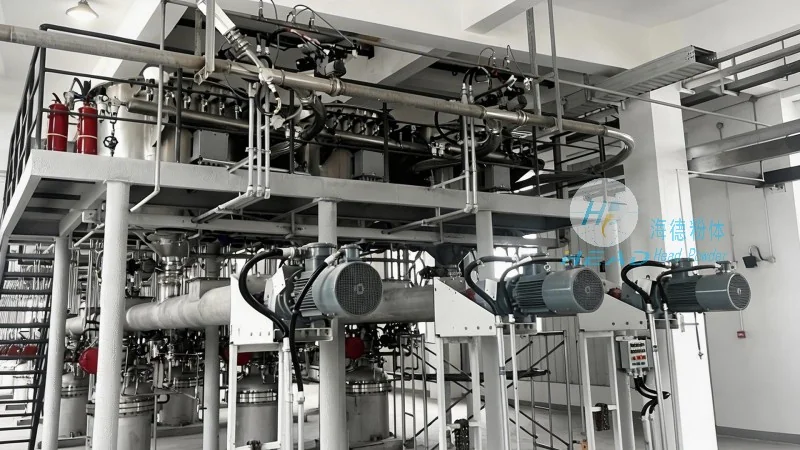
Another advantage is the enhanced operational efficiency. By ensuring consistent material flow and reducing downtime due to blockages or maintenance, the equipment allows for smoother production processes. The ability to handle large volumes of kaolin powder quickly and reliably supports higher production rates, which is critical for meeting market demands. Furthermore, the design of the equipment minimizes energy consumption, making it a cost-effective solution for long-term use.
The equipment also contributes to better product quality. By maintaining a controlled environment and preventing contamination, the system ensures that the kaolin powder delivered to the processing stage is of consistent quality. This is particularly important in industries where the purity and particle size of kaolin powder directly impact the final product's performance. The equipment's ability to handle fine particles without degradation further supports the production of high-quality end products.
Conclusion
In conclusion, kaolin powder bulk handling equipment is a critical component in the efficient processing of kaolin powder. The design principles behind these systems, including enclosed operation, material flow optimization, and robust construction, ensure that they meet the demanding requirements of industrial applications. Companies like Shandong HeadPowder Engineering Co., Ltd. play a vital role in developing and manufacturing such equipment, providing tailored solutions that enhance safety, efficiency, and product quality. By understanding the design principles and components of these systems, industries can make informed decisions to improve their material handling processes and achieve better overall performance.




