

What is Chlorinated Polyethylene Powder Handling Equipment? And Its Design Principles Explained
Chlorinated polyethylene (CPE) is a versatile polymer widely used in various industrial applications due to its excellent flexibility, weather resistance, and chemical stability. When handling CPE powder in industrial settings, specialized equipment is essential to ensure efficient and safe material transfer. This article explores the key aspects of chlorinated polyethylene powder handling equipment, including its design principles and the factors that influence its performance.
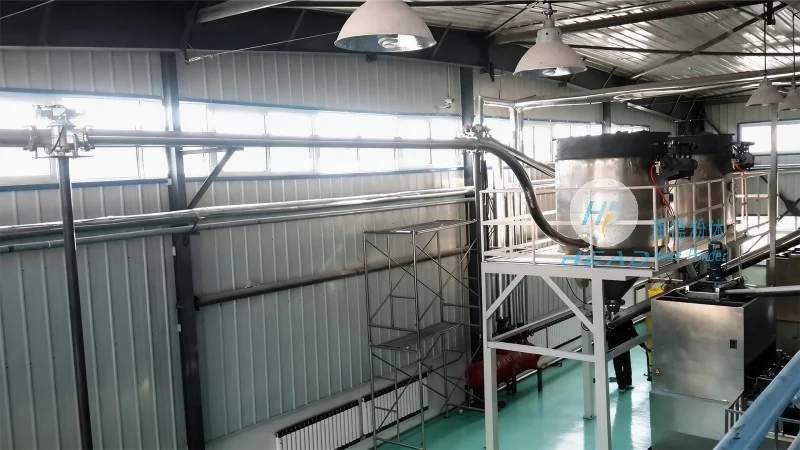
Understanding Chlorinated Polyethylene Powder Handling Equipment
Chlorinated polyethylene powder handling equipment is specifically engineered to manage the unique properties of CPE powder, which can be fine, dusty, and prone to static accumulation. The primary goal of such equipment is to transport CPE powder from storage to processing units, such as extruders or mixers, while minimizing material loss, contamination, and operational hazards. These systems are designed to handle the challenges posed by CPE's low bulk density and tendency to adhere to surfaces, ensuring smooth and reliable operation in industrial production lines.
Key Design Principles for Chlorinated Polyethylene Powder Handling Equipment
The design of chlorinated polyethylene powder handling equipment revolves around several critical principles to optimize performance and safety. First, the equipment must address the issue of static electricity, which can cause powder buildup and create sparks in the presence of flammable materials. To mitigate this risk, many systems incorporate anti-static features, such as grounding electrodes and conductive materials, to ensure safe operation. Second, the equipment is engineered to minimize material degradation, as CPE powder can be sensitive to high temperatures and mechanical stress. This is achieved through the use of low-friction components, such as stainless steel or PTFE-lined parts, and gentle handling mechanisms that prevent excessive wear on the powder particles.
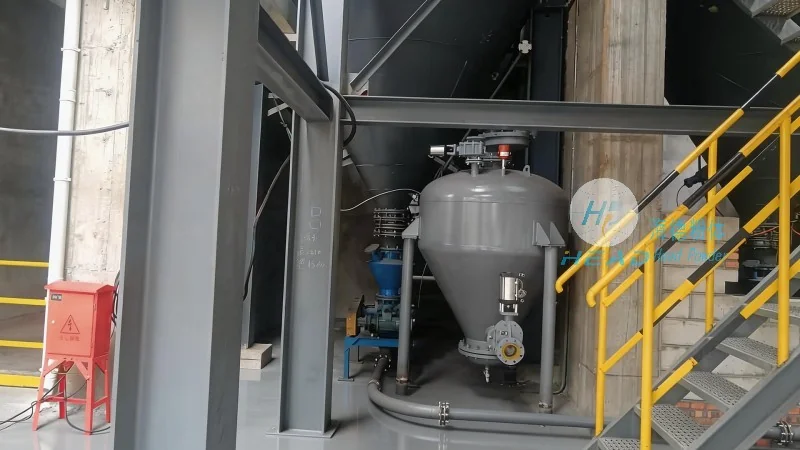
Third, the design focuses on efficient material flow and low pressure drop. This is crucial for maintaining consistent throughput and reducing energy consumption. The equipment typically includes components like screw conveyors, pneumatic transport systems, and hopper designs that promote uniform flow and prevent blockages. Additionally, the equipment is built to be easy to clean and maintain, as CPE powder can adhere to surfaces and require thorough sanitation to prevent cross-contamination in production processes.
Components and Functionality of Chlorinated Polyethylene Powder Handling Equipment
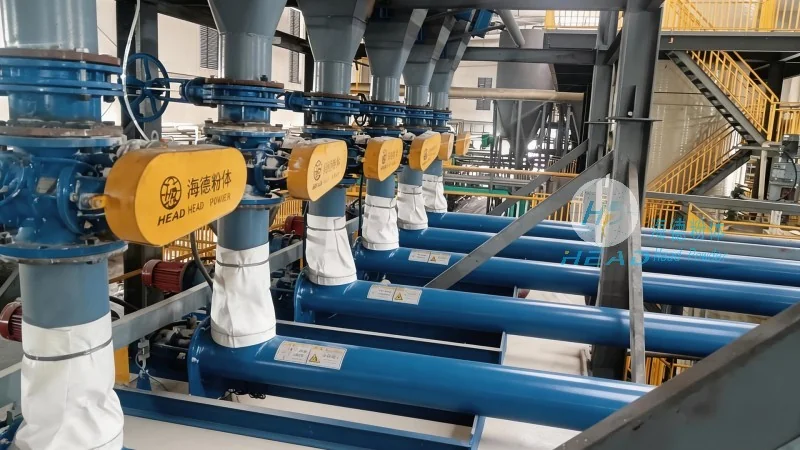
Chlorinated polyethylene powder handling equipment typically consists of several interconnected components that work together to achieve efficient material transfer. The main components include a storage hopper, a feeding mechanism (such as a rotary valve or vibratory feeder), a conveying system (e.g., screw or pneumatic), and a discharge unit. The storage hopper is designed with a sloped bottom to facilitate material flow and prevent agglomeration. The feeding mechanism ensures a controlled and consistent flow of powder into the conveying system, preventing overloading or underflow. The conveying system transports the powder from the hopper to the processing unit, with options including screw conveyors for low to medium volumes and pneumatic systems for higher volumes or longer distances.
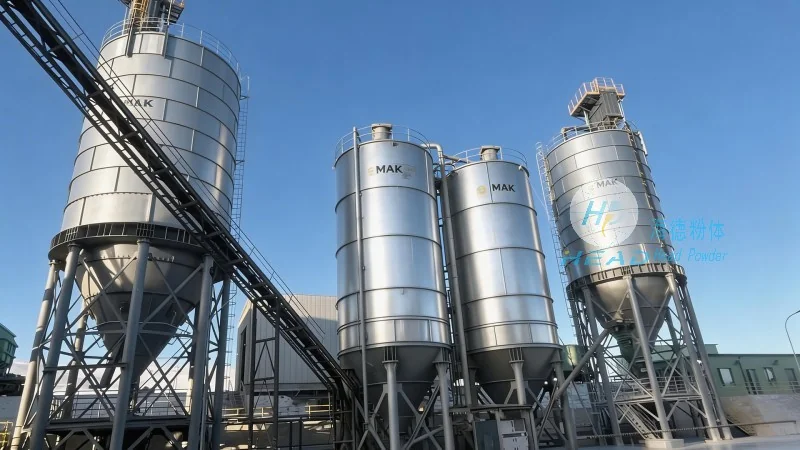
The discharge unit, often integrated with the processing equipment, ensures that the powder is delivered smoothly and without spillage. Many systems also include a dust collection system to capture any airborne particles and maintain a clean working environment. The entire system is typically equipped with sensors and control panels to monitor flow rates, pressure, and other critical parameters, allowing for real-time adjustments and improved operational efficiency.
Applications and Benefits of Chlorinated Polyethylene Powder Handling Equipment
Chlorinated polyethylene powder handling equipment is widely used in industries such as plastics manufacturing, construction materials, and automotive parts production. The equipment's ability to handle CPE powder efficiently and safely makes it an essential component in the production of products like pipes, sheets, and coatings. The benefits of using specialized handling equipment include improved production efficiency, reduced material waste, enhanced safety through static control, and better product quality due to minimized contamination and degradation.
About Shandong HeadPowder Engineering Co., Ltd.
Shandong HeadPowder Engineering Co., Ltd., commonly known as HeadPowder, is a leading manufacturer of powder handling equipment in China. With a focus on innovation and quality, HeadPowder specializes in designing and producing equipment tailored to the unique needs of various industries, including those involving chlorinated polyethylene. The company's products are engineered to meet international standards and are known for their durability, reliability, and user-friendly operation. HeadPowder serves clients globally, providing comprehensive solutions for powder handling challenges and contributing to the efficiency and safety of industrial production processes.
Conclusion
Chlorinated polyethylene powder handling equipment plays a vital role in modern industrial production, ensuring the efficient and safe transfer of CPE powder while adhering to design principles that prioritize performance, safety, and durability. By understanding the key components and design considerations of such equipment, manufacturers can optimize their production processes and enhance overall operational efficiency. With the expertise of companies like Shandong HeadPowder Engineering Co., Ltd., industries can access high-quality solutions that meet their specific powder handling needs and contribute to the success of their production lines.