For industries dealing with powders, maintaining a clean and efficient production environment is crucial. A dust-free powder conveying line is a specialized system designed to transport powders without generating dust, ensuring safety, product quality, and operational efficiency. This article explores the concept of such a line and its underlying design principles, providing insights into how these systems are engineered to meet industry standards.
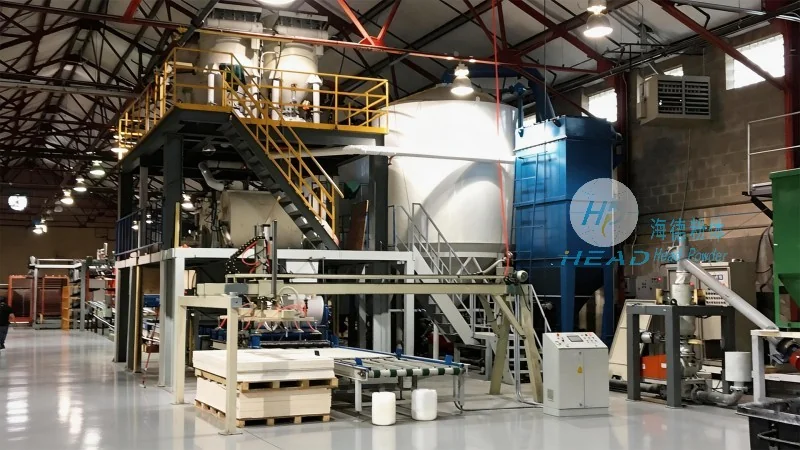
Understanding the Dust-Free Powder Conveying Line
The primary function of a dust-free powder conveying line is to transport powders from one location to another while preventing the release of airborne particles. This is critical in industries like pharmaceuticals, food processing, and chemical manufacturing, where contamination can have severe consequences. The system typically consists of several components, including hoppers, feeders, conveyors, and dust collection units, all working in tandem to ensure a sealed and controlled environment.
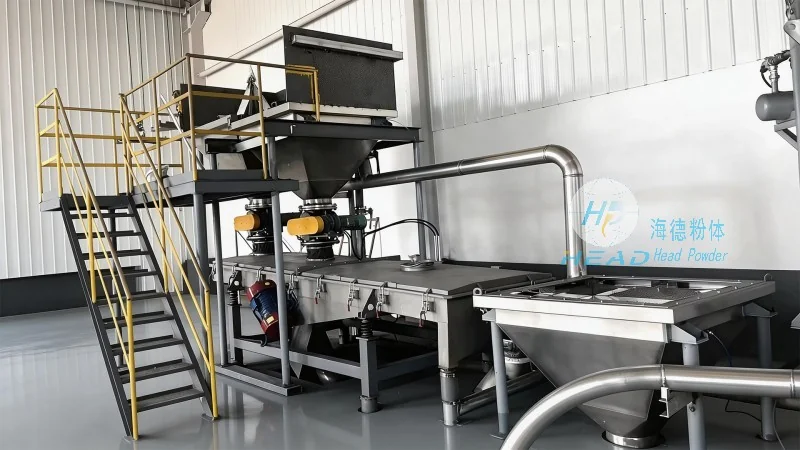
Key Components and Their Roles
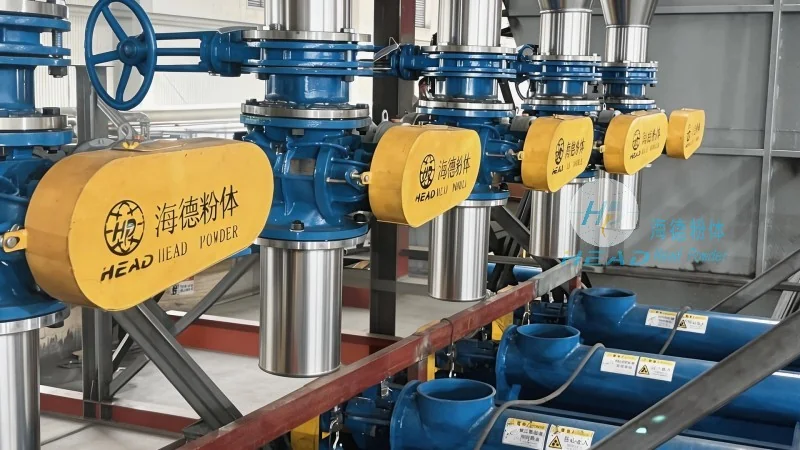
Each component of the dust-free powder conveying line plays a vital role in maintaining dust containment and efficient material flow. The hopper serves as the storage vessel, often equipped with a lid to prevent dust escape. The feeder, such as a rotary valve or a screw feeder, regulates the flow of powder into the conveyor. The conveyor itself, commonly a pneumatic or mechanical system, transports the powder through a sealed pipeline. Finally, the dust collection system, including filters and fans, captures any particles that might escape, ensuring the air is clean and safe for the environment.
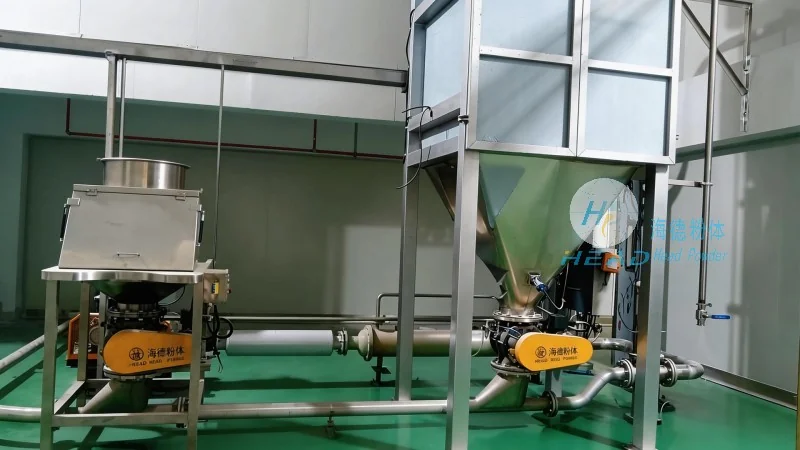
Design Principles for Optimal Performance
The design of a dust-free powder conveying line follows several key principles to ensure effectiveness and reliability. First, the system must be fully enclosed to prevent dust from entering the environment. This includes using sealed hoppers, conveyors, and connections. Second, the material of construction is critical; components are often made from stainless steel or other corrosion-resistant materials to handle various powder types and maintain hygiene. Third, the system is designed for minimal pressure drop and energy efficiency, ensuring smooth operation with low operational costs. Fourth, safety features, such as interlocks and emergency shutdowns, are integrated to protect operators and prevent accidents.
Applications and Industry Impact
Dust-free powder conveying lines are widely used across various industries due to their ability to maintain product purity and operational safety. In the pharmaceutical industry, for example, these systems are essential for transporting active pharmaceutical ingredients (APIs) and excipients without contamination. In food processing, they ensure that powders like flour or sugar are handled hygienically, meeting stringent food safety regulations. The chemical industry also benefits from these systems when handling hazardous or sensitive powders, reducing the risk of exposure and environmental impact.
Conclusion
A dust-free powder conveying line is a sophisticated system that combines engineering precision with safety considerations to transport powders efficiently while maintaining a clean environment. By adhering to design principles such as full enclosure, material selection, and energy efficiency, these systems provide reliable performance across diverse industries. As industries continue to prioritize product quality and operational safety, the demand for advanced dust-free conveying solutions is expected to grow, making it a critical component in modern manufacturing processes.




