

What is a Small Bag Feeding Powder Conveying Line? What are its Design Principles?
For industrial operations that handle bulk powders, efficient and reliable material handling systems are crucial. A small bag feeding powder conveying line, also known as a bag dump station or bulk material handling system, is a specialized equipment setup designed to safely and effectively transfer powders from sealed bags into processing equipment. This article explores the concept of such a system and delves into its fundamental design principles, highlighting how it addresses common challenges in powder handling and processing. The information is provided by Shandong HeadPowder Engineering Co., Ltd., a leading manufacturer of bulk material handling solutions based in China.
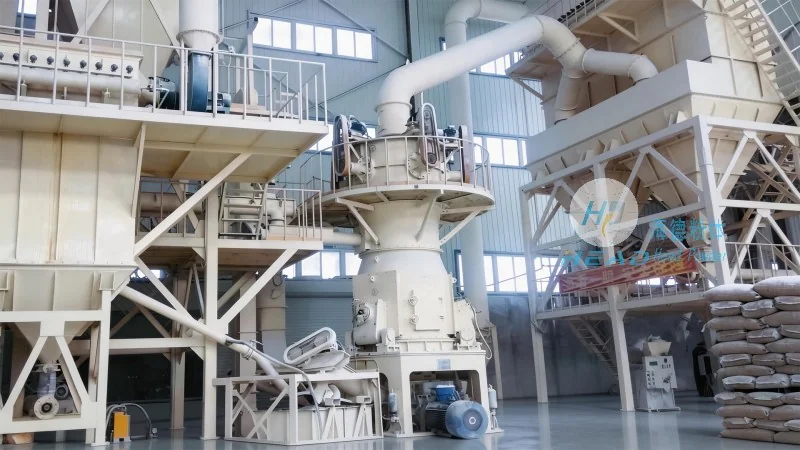
Understanding the Small Bag Feeding Powder Conveying Line
At the core of many manufacturing and processing facilities, the small bag feeding powder conveying line serves as a critical link between raw material storage and the production line. The system is typically composed of several key components, including a bag opening mechanism, a hopper or receiving container, a conveyor system (such as a screw conveyor or pneumatic conveyor), and a dust collection system. Each component works in tandem to ensure that powders are transferred without spillage, contamination, or loss of material. The design of this system is tailored to meet the specific needs of different industries, from food and pharmaceuticals to chemicals and agriculture.
Key Components and Their Functions
The effectiveness of a small bag feeding powder conveying line depends heavily on the integration and functionality of its components. The bag opening unit is designed to safely open sealed bags, often using a vacuum or mechanical system to prevent dust and particles from escaping into the environment. This step is crucial for maintaining a clean and safe working environment while ensuring that the material is handled hygienically, especially for food, pharmaceutical, or chemical applications. The company, Shandong HeadPowder Engineering Co., Ltd., specializes in designing such systems that comply with industry standards for hygiene and safety.
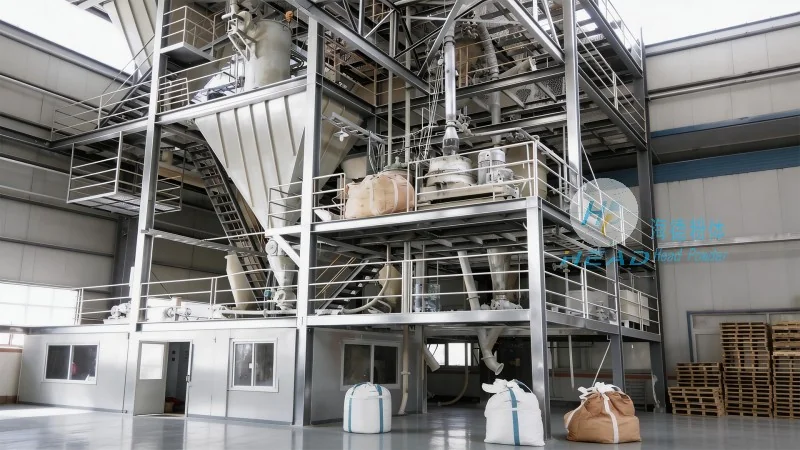
Once the bag is opened, the powder is transferred into a hopper or receiving container. This container is usually equipped with a discharge valve or gate that controls the flow of material into the conveyor system. The conveyor itself can be either a screw conveyor, which uses a rotating screw to move the powder, or a pneumatic conveyor, which uses air pressure to transport the material. The choice of conveyor type depends on the properties of the powder, such as its density, flowability, and potential for caking or bridging. The company’s engineers consider these factors to select the most appropriate conveyor for each application, ensuring optimal performance and minimal maintenance.
Design Principles for Efficient Operation
The design of a small bag feeding powder conveying line is guided by several key principles aimed at maximizing efficiency, safety, and reliability. One of the primary principles is the minimization of material loss and spillage. This is achieved through the use of sealed bag opening systems and enclosed conveyor paths, which prevent dust and particles from escaping into the workspace. The company emphasizes this principle in all its designs, as it directly impacts operational costs and environmental compliance. Additionally, the system is designed to handle various types of powders, from free-flowing to cohesive materials, by adjusting parameters such as conveyor speed, hopper design, and air pressure in pneumatic systems.
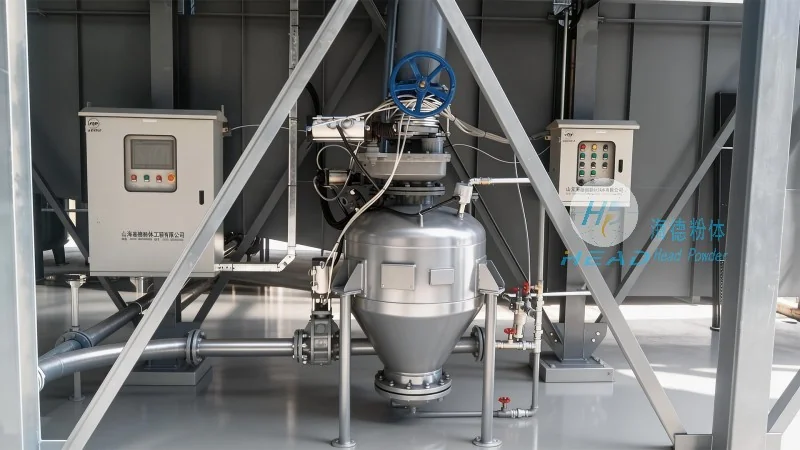
Another critical design principle is the prevention of dust and airborne contamination. The inclusion of a dust collection system, often integrated with the bag opening and conveyor components, helps to capture and filter particles, ensuring that the working environment remains clean and compliant with safety regulations. This is particularly important in industries where air quality and product purity are paramount, such as food processing, pharmaceutical manufacturing, and chemical production. The company’s dust collection systems are engineered to meet or exceed industry standards for particulate capture, providing a safe working environment for personnel.
Efficiency and throughput are also key considerations in the design. The system is engineered to handle multiple bags per hour, with the conveyor speed and hopper capacity optimized to match the processing requirements of the downstream equipment. This ensures that the material is transferred quickly and consistently, minimizing downtime and maximizing productivity. The company’s systems are designed with adjustable parameters, allowing facilities to scale operations as needed without significant modifications. Furthermore, the design incorporates features such as automatic bag opening and material discharge, reducing the need for manual intervention and improving operational safety.
Applications and Benefits
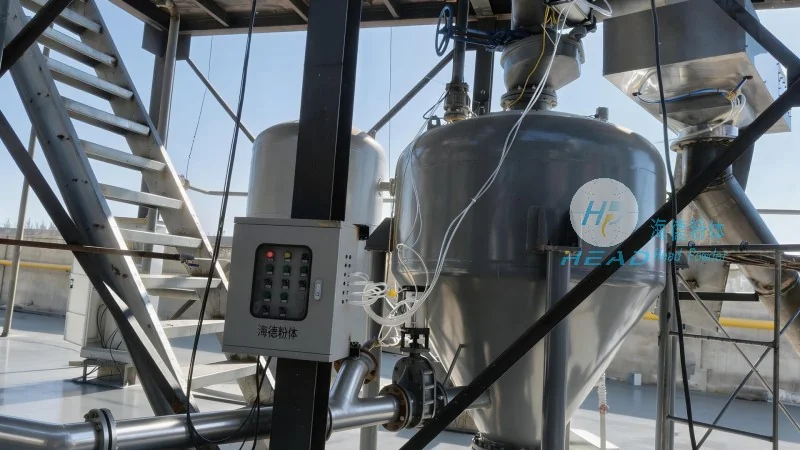
The small bag feeding powder conveying line is widely used in various industries where bulk powders are processed. In the food industry, it is used for handling ingredients like flour, sugar, and spices, ensuring that they are transferred hygienically and without contamination. In the pharmaceutical industry, it is essential for handling active pharmaceutical ingredients (APIs) and excipients, where precision and cleanliness are critical. Similarly, in the chemical and agricultural sectors, it is used for handling powders like fertilizers, pigments, and coatings, where consistent material flow is essential for quality control. The company serves clients across these industries, providing customized solutions that meet their specific operational needs.
The benefits of using a small bag feeding powder conveying line extend beyond just efficient material handling. By reducing manual handling of heavy bags and minimizing dust exposure, the system enhances workplace safety and reduces the risk of occupational health issues. It also improves product quality by preventing contamination and ensuring consistent material flow, which is crucial for maintaining batch-to-batch consistency. Additionally, the enclosed design helps to reduce material loss and waste, leading to cost savings for the facility. The company’s systems are known for their durability and low maintenance requirements, providing long-term value to their clients.