Wood ash, a byproduct of biomass combustion, is often handled through pneumatic conveying systems due to its unique physical properties. The efficient and reliable transport of wood ash is crucial for various industrial applications, such as power generation, waste management, and material recovery. This article explores several effective solutions for the pneumatic conveying of wood ash, highlighting key considerations and technical approaches, with technical support from Shandong HeadPowder Engineering Co., Ltd.
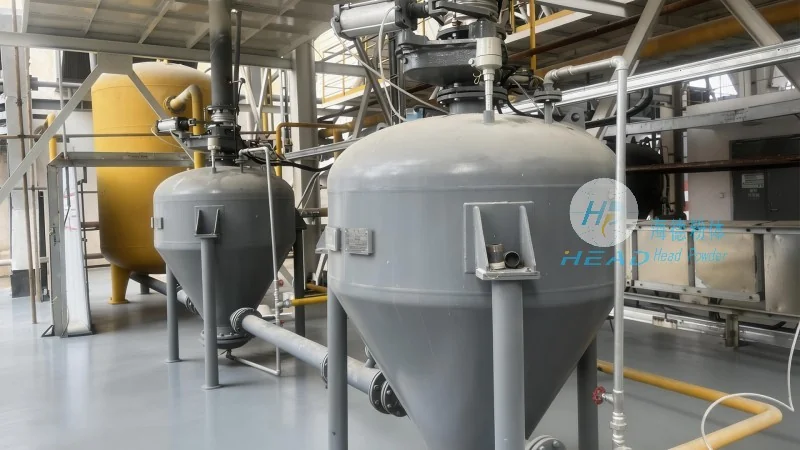
Overview of Pneumatic Conveying for Wood Ash
Pneumatic conveying systems utilize air or other gases to transport bulk materials like wood ash through pipelines. These systems offer advantages over traditional mechanical conveying, including reduced equipment wear, lower maintenance costs, and the ability to handle materials in a dust-free environment. The choice of conveying system depends on factors like material characteristics, distance, and required throughput. For wood ash, which is typically fine and abrasive, selecting the right pneumatic conveying solution is essential to ensure operational efficiency and equipment longevity.
Solution 1: Dilute Phase Pneumatic Conveying
Dilute phase pneumatic conveying is a common method for transporting wood ash over moderate distances. In this system, the material is suspended in a high-velocity air stream, allowing it to travel through the pipeline. This approach is suitable for applications where the conveying distance is up to several hundred meters and the material flow rate is relatively low. The system typically uses a positive displacement blower or a high-pressure compressor to generate the necessary air pressure. Key components include a hopper, a rotary valve, a conveying line, and a receiver. The hopper stores the wood ash, and the rotary valve controls the material feed rate. The conveying line transports the ash to the receiver, where it is collected. This method is effective for handling fine wood ash particles and can achieve high conveying velocities, reducing the risk of blockages and ensuring consistent material flow.
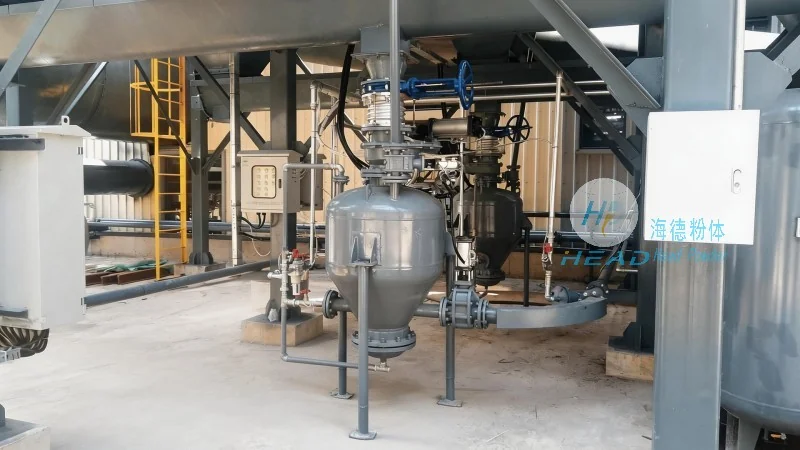
Solution 2: Dense Phase Pneumatic Conveying
Dense phase pneumatic conveying, also known as low-velocity conveying, is ideal for transporting wood ash over longer distances or when the material is more abrasive. Unlike dilute phase systems, dense phase conveying operates at lower air velocities, which helps to reduce particle degradation and equipment wear. The material is conveyed in a dense, plug-like flow, minimizing the risk of clogging and ensuring stable operation. This method is particularly suitable for applications where the wood ash contains larger particles or has a higher moisture content. The system uses a positive displacement blower or a rotary lobe pump to generate the air pressure, and the conveying line is designed to handle higher material loads. The receiver is equipped with a venturi or a cyclone to separate the ash from the air stream. Dense phase conveying provides better control over the material flow and can handle higher throughput compared to dilute phase systems, making it a preferred choice for many industrial applications.
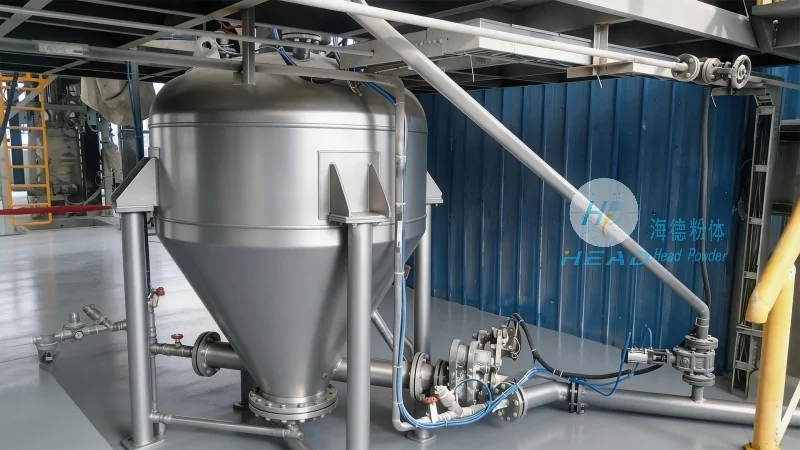
Solution 3: Hybrid Pneumatic Conveying Systems
Hybrid pneumatic conveying systems combine the advantages of both dilute and dense phase methods to optimize wood ash transport. These systems use a combination of high and low air velocities to achieve efficient conveying over varying distances. The system typically starts with a dilute phase section for short distances and transitions to a dense phase section for longer distances. This approach allows for flexibility in handling different material characteristics and conveying requirements. Hybrid systems are often used in complex industrial setups where the wood ash needs to be transported to multiple destinations or through varying pipeline configurations. The components include a central blower, multiple conveying lines, and adjustable valves to control the air flow and material feed. This method provides enhanced control over the conveying process, reducing energy consumption and improving overall system efficiency.
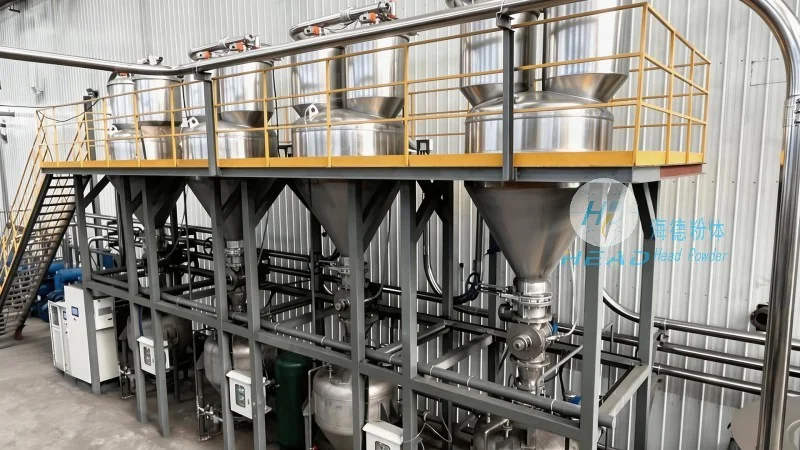
Key Considerations for Wood Ash Pneumatic Conveying
When selecting a pneumatic conveying solution for wood ash, several factors must be considered to ensure optimal performance and longevity of the system. Material properties, such as particle size, moisture content, and abrasiveness, play a critical role in determining the appropriate system. For example, fine wood ash particles may require a dilute phase system with high air velocities to prevent clogging, while larger or more abrasive particles may benefit from a dense phase system with lower velocities. The conveying distance and required throughput are also important considerations. Longer distances and higher throughput may necessitate a more robust system, such as a hybrid approach. Additionally, the system's maintenance requirements and operational costs should be evaluated. Regular maintenance, including cleaning of the conveying lines and replacement of wear parts, is essential to prevent system downtime and ensure consistent performance. The choice of materials for the conveying components, such as stainless steel or special alloys, is also crucial to withstand the abrasive nature of wood ash and extend the system's lifespan.
Conclusion
The pneumatic conveying of wood ash is a critical process in many industrial applications, and selecting the right solution is essential for efficient material handling. Dilute phase, dense phase, and hybrid systems each offer unique advantages and are suitable for different scenarios. By considering material properties, conveying distance, and operational requirements, industries can choose the most appropriate pneumatic conveying system for their wood ash handling needs. Proper system design, regular maintenance, and the use of high-quality components are key to ensuring the long-term reliability and efficiency of wood ash pneumatic conveying systems. This information is provided by Shandong HeadPowder Engineering Co., Ltd., a leading provider of engineering solutions for material handling systems.




