

Principle and Working Scene Characteristics of Potassium Hydroxide Pneumatic Conveying Equipment
Understanding the principles and operational characteristics of potassium hydroxide (KOH) pneumatic conveying equipment is crucial for industries dealing with this caustic chemical. This equipment is designed to safely and efficiently transport KOH, a highly reactive and corrosive substance, from storage to processing units. The technology behind pneumatic conveying for KOH involves a system that uses air or other gases to move the material through pipelines, ensuring minimal contact with the environment and reducing the risk of spills or contamination.
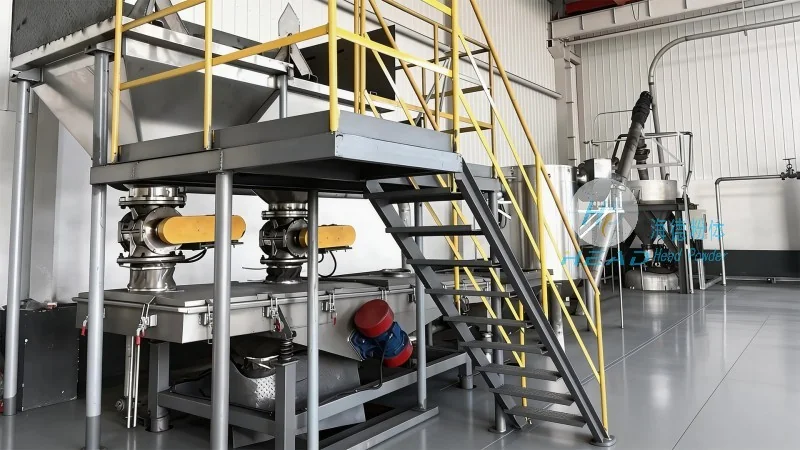
Company Overview
HeadPowder, a leading engineering company based in Shandong, China, specializes in the design, manufacturing, and installation of advanced material handling solutions. With a focus on safety, efficiency, and reliability, HeadPowder has developed state-of-the-art pneumatic conveying systems tailored for handling potassium hydroxide and other hazardous chemicals. The company's expertise in chemical engineering and material science ensures that their equipment meets the stringent safety and performance standards required in industrial applications.
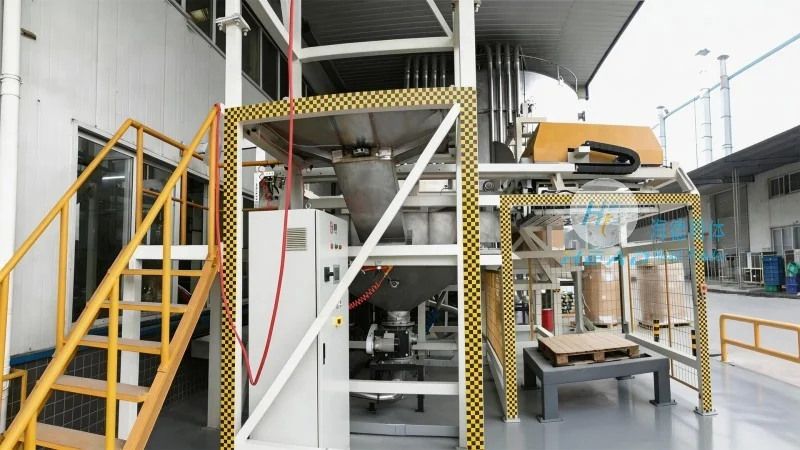
Principle of Pneumatic Conveying for Potassium Hydroxide
The core principle of pneumatic conveying for potassium hydroxide involves creating a pressure differential within a closed pipeline system. The process typically starts with the material being fed into a hopper or feeder, where it is then introduced into the pipeline under controlled conditions. Air or a suitable gas is then introduced into the system, either by creating a vacuum (negative pressure) or by forcing air under pressure (positive pressure). This airflow generates the necessary force to move the KOH particles through the pipeline. The design of the conveying system, including the type of air flow (e.g., dilute phase or dense phase), the pipeline diameter, and the length, is critical in determining the efficiency and effectiveness of the transport. For KOH, which is often in a solid or slurry form, the system must be engineered to handle its corrosive nature, ensuring that all components are made from materials resistant to chemical attack, such as stainless steel or specialized alloys.
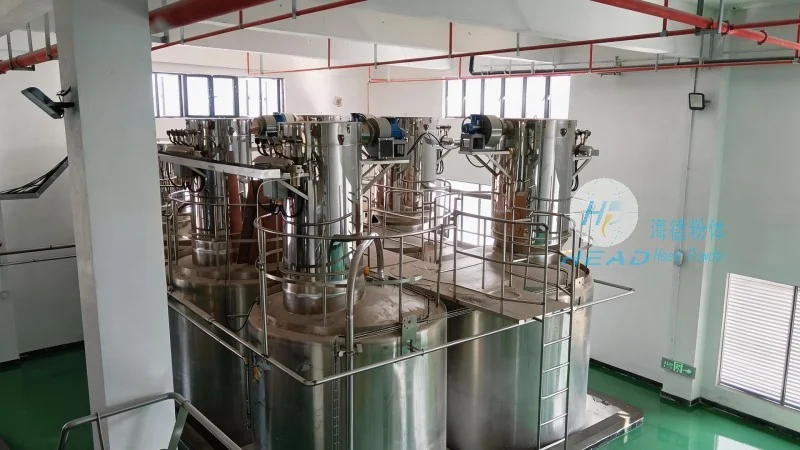
Key Working Scene Characteristics
The working scene characteristics of KOH pneumatic conveying equipment are defined by several key factors that influence its performance and suitability in different industrial settings. One of the primary characteristics is the need for a closed system to prevent the release of KOH dust or fumes, which are hazardous to both personnel and the environment. The equipment must be designed to maintain a negative pressure within the system, ensuring that any leaks are contained and do not expose workers to the chemical. Another important characteristic is the system's ability to handle varying material flow rates and particle sizes. KOH can be transported as a fine powder or a thick slurry, and the conveying system must be capable of adjusting to these variations without compromising efficiency. Additionally, the equipment must be equipped with safety features such as pressure relief valves, emergency shut-off systems, and monitoring devices to detect any abnormalities in the process. These features are essential for maintaining operational safety and compliance with regulatory standards.
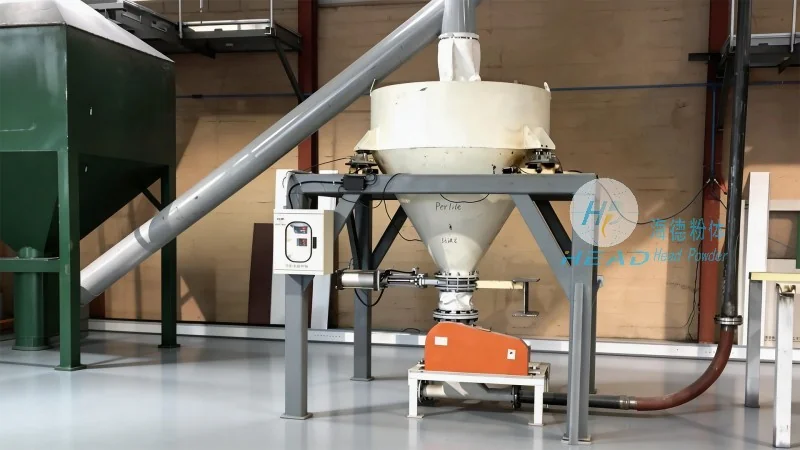
Technical Advantages and Application Insights
HeadPowder's KOH pneumatic conveying equipment offers several technical advantages that make it an ideal solution for industrial applications. The closed-loop system design minimizes material loss and environmental impact, which is critical for handling a corrosive chemical like KOH. The use of positive or negative pressure systems allows for flexible operation, adapting to different plant layouts and material handling requirements. The equipment is also designed for easy maintenance and cleaning, with components that can be easily accessed and replaced to ensure continuous operation. In terms of application insights, the equipment is widely used in industries such as chemical manufacturing, where KOH is used as a raw material in the production of soaps, detergents, and other chemical products. The ability to transport KOH efficiently and safely from storage to processing units improves overall plant productivity and reduces downtime. Furthermore, the system's reliability and durability ensure long-term operation with minimal maintenance costs, providing a cost-effective solution for industrial users.