Principle and Working Scene Characteristics of Maltose Pneumatic Conveying Equipment
Release time:2026-09-18 19:01:29
name of the company:Shandong Headpowder Engineering Co., Ltd.
telephone:156-6277-7102
contacts:Zhang manager
For industrial operations handling maltose, efficient and hygienic material transport is crucial. The pneumatic conveying equipment designed for maltose applications by Shandong HeadPowder Engineering Co., Ltd. (headpowder) offers a reliable solution that integrates advanced technology with industry-specific requirements. This article explores the fundamental principles behind such equipment and highlights the key characteristics of its operational scenarios.
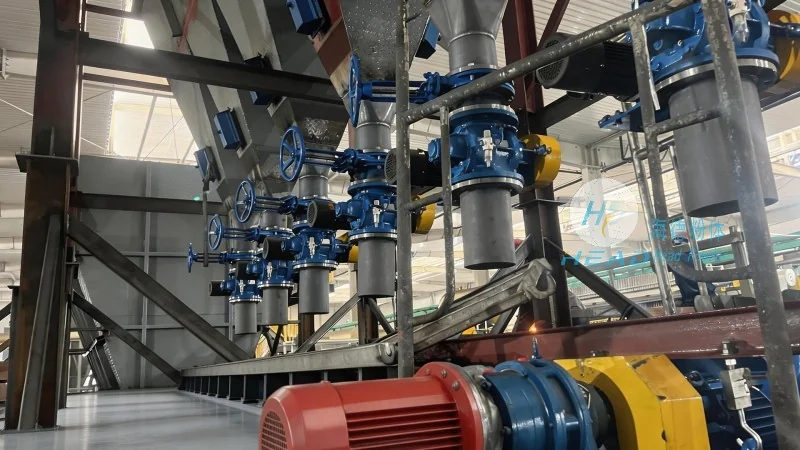
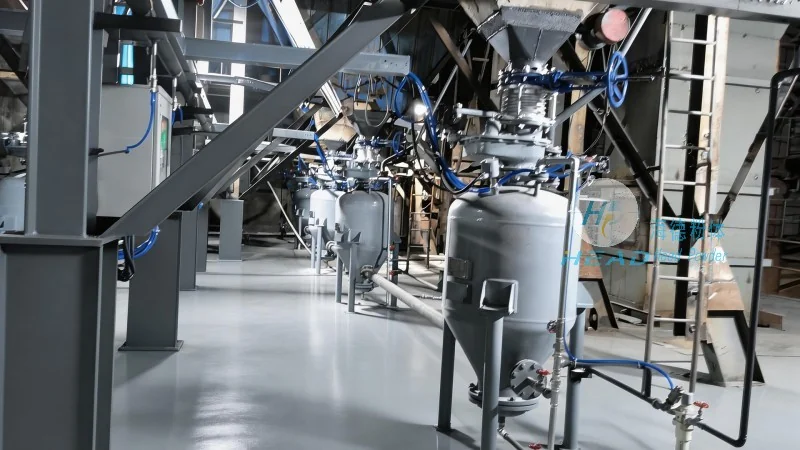
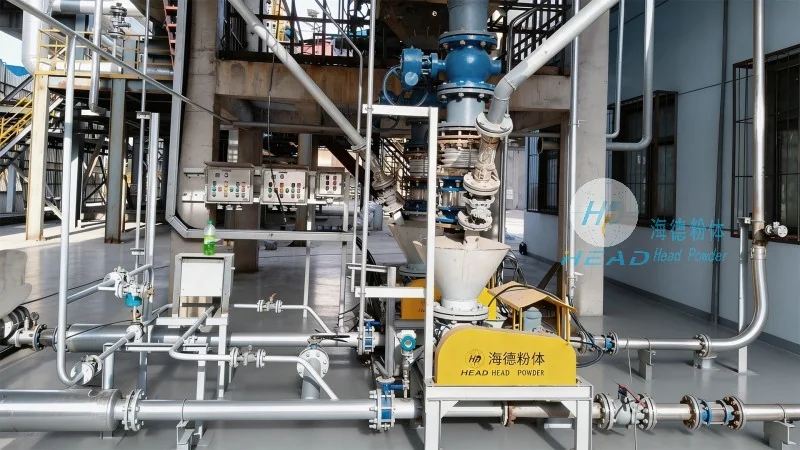
Understanding Pneumatic Conveying Principles for Maltose
Pneumatic conveying systems utilize air to transport bulk materials like maltose, eliminating the need for mechanical components that might cause contamination or product degradation. The core principle involves creating a pressure differential to move the material through a pipeline. There are two primary modes: suction (or vacuum) and pressure systems. In suction systems, a vacuum is applied at the receiving end to draw the material into the pipeline, while in pressure systems, compressed air pushes the material from the discharge end. For maltose, which is a hygroscopic and sensitive product, the choice of system depends on factors such as material flow rate, distance, and the need for gentle handling. The equipment typically includes a feeding device, a conveying pipeline, a separation and collection unit, and sometimes a dust filter. The feeding device, often a rotary valve or a vacuum feeder, ensures consistent material intake without spillage. The pipeline is usually made of stainless steel to maintain hygiene and prevent product sticking. The separation unit, such as a cyclone or a bag filter, separates the material from the air stream, allowing the maltose to be collected in a clean container. This design minimizes product loss and ensures a clean working environment, which is critical for food-grade applications.
Key Working Scene Characteristics of Maltose Pneumatic Conveying Equipment
The operational scenarios for maltose pneumatic conveying equipment are tailored to meet the demands of the food processing industry, where product purity and operational efficiency are paramount. One of the primary characteristics is the emphasis on hygiene and compliance with food safety standards. The equipment is constructed from food-grade materials, such as stainless steel 316, and features smooth surfaces that are easy to clean and sanitize. This design reduces the risk of bacterial growth and ensures that the maltose remains free from contaminants throughout the conveying process. Another key characteristic is the ability to handle varying flow rates and distances. The system can be adjusted to accommodate different production volumes, from small-scale batches to large-scale continuous operations. For example, in a maltose production facility, the equipment might be used to transport maltose from a storage silo to a mixing or packaging area, covering distances of several meters to tens of meters. The flexibility in system design allows for integration with existing production lines, minimizing downtime and enhancing overall productivity. Additionally, the equipment is designed for low maintenance and long service life. The use of high-quality components and robust construction reduces the frequency of repairs, which is essential for maintaining consistent production schedules. This reliability is particularly important in industries where production interruptions can lead to significant financial losses. The operational scenarios also highlight the importance of energy efficiency. Modern pneumatic conveying systems incorporate features such as variable speed drives and optimized air flow control to reduce energy consumption. This not only lowers operational costs but also aligns with sustainability goals, making the equipment suitable for environmentally conscious operations. Furthermore, the equipment is designed to handle the unique properties of maltose, such as its high moisture content and tendency to clump. The feeding mechanisms are equipped with features like agitators or pre-drying steps to prevent blockages and ensure smooth material flow. This attention to detail ensures that the conveying process is efficient and reliable, even with challenging material characteristics.




